Hengshui Haogu Engineering Materials Co., Ltd.

1Yr
 Business License
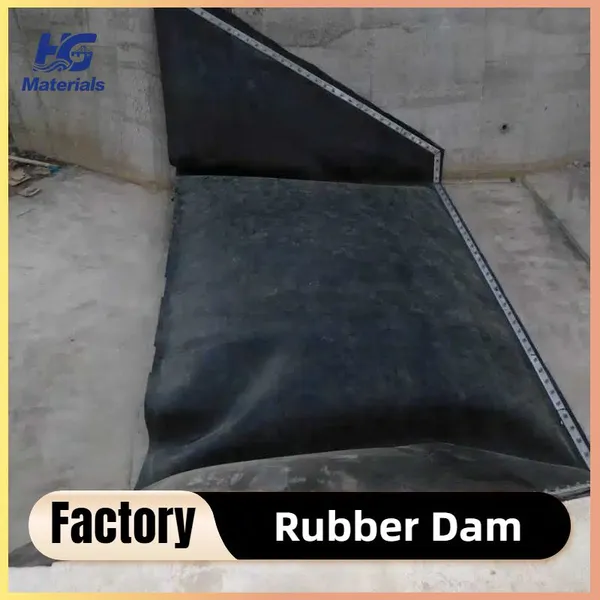
Main Products: rubber dam, Bridge rubber bearing, Cast Iron Gate, Hydraulic elevator dam

Common River Channel Forms of Pneumatic Dams(Pneumatic Shields Rubber Dam)
Mr. Wendy
December 20, 2025
Common River Channel Forms of Pneumatic Dams(Pneumatic Shields Rubber Dam)
1. Single-Span Straight Pneumatic Shield Dam
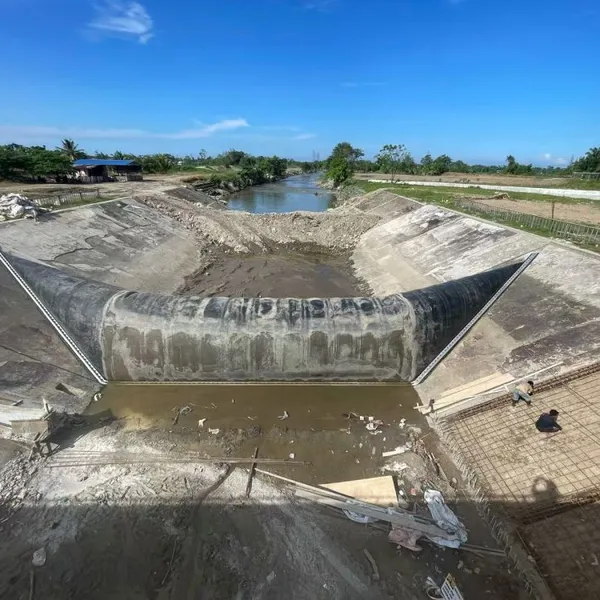
Structural Features & Working Principle: Adopts a single continuous steel shield plate combined with a rubber airbag structure, installed vertically across the river channel. No intermediate piers; the entire span is supported by the inflated airbag to retain water, and deflates quickly to release floods. Span range: 5–30m (common), maximum up to 50m with special structural design.
Application Scenarios: Medium and small rivers with narrow width (≤50m) and uniform cross-section; irrigation canals, urban rivers, and small reservoir spillways; areas with no strict requirements for navigation or large debris passage.
Core Advantages: Simple structure, low construction cost, and short construction period; no obstacles in the channel, minimal impact on water flow and sediment transport; easy operation and maintenance.
2. Multi-Span Continuous Pneumatic Shield Dam
Structural Features & Working Principle: Multiple single-span pneumatic shield dams connected in series along the river channel. Expansion joints with rubber sealing strips are set between adjacent spans to adapt to temperature changes and foundation settlement. Each span can be inflated/deflated independently or synchronously through a centralized control system.
Application Scenarios: Wide rivers (>30m) or rivers with irregular cross-sections; large-scale flood control projects, river regulation projects, and coastal protection zones; projects requiring segmented water level control (e.g., upstream irrigation + downstream navigation; ecological water replenishment + flood discharge).
Core Advantages: Flexible combination of spans to match complex channel conditions; independent operation of each span improves system reliability (one span failure does not affect the normal operation of others); convenient for phased construction and later maintenance.
3. Step-Type Pneumatic Shield Dam
Structural Features & Working Principle: Multiple pneumatic shield dams arranged in steps along the longitudinal direction of the river (from upstream to downstream). Each dam forms a small water head; the total water head is the sum of the heads of individual steps. The crest of the downstream dam is lower than the toe of the upstream dam to ensure smooth water flow and reduce scouring.
Application Scenarios: Rivers with large natural drop (3–15m) for small hydropower generation projects; ecological restoration projects (to form cascading waterfalls, improve water oxygenation, and restore aquatic habitats); urban waterfront landscape projects (creating stepped water scenes).
Core Advantages: Converts large water drop into small steps, reducing water flow velocity and channel scouring; enhances ecological and landscape value while realizing water retention and power generation; stable operation, adaptable to large fluctuations in upstream water flow.
4. Zigzag Pneumatic Shield Dam
Structural Features & Working Principle: The dam body is arranged in a zigzag (broken line) shape along the river channel, adapting to the curved trajectory of the river. Each section of the dam body is connected by angle-adjustable joints with sealing structures. The steel shield plates and rubber airbags of each section are synchronized in inflation/deflation to ensure consistent water level control.
Application Scenarios: Curved rivers or rivers with significant direction changes; valleys with narrow and tortuous terrain, where straight-line arrangement requires large-scale excavation; river sections adjacent to important buildings (e.g., bridges, culverts) that need to avoid structural conflicts.
Core Advantages: Adapts to complex terrain without large-scale channel excavation, reducing construction difficulty and cost; the zigzag structure enhances the stability of the dam body against lateral water pressure; minimizes impact on surrounding existing structures.
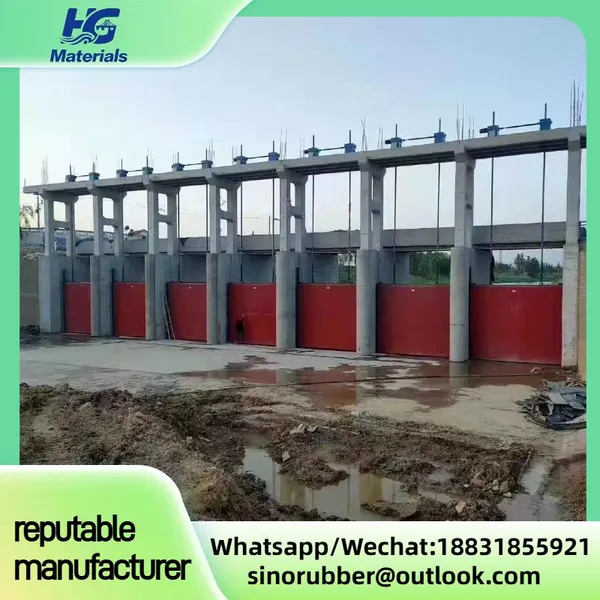
5. Combined Type (Pneumatic Shield Dam + Sluice Gate)
Structural Features & Working Principle: Integrates pneumatic shield dam with traditional sluice gates (e.g., flap gates, radial gates) in the same channel. Pneumatic shield dam is used for daily water retention and flexible water level adjustment; sluice gates are used for large-flow flood discharge or emergency water release. Shared foundation and control system to realize coordinated operation.
Application Scenarios: Large rivers with large seasonal differences in water flow (e.g., rivers with heavy floods in summer and little water in winter); water conservancy projects that require both daily water supply/irrigation and large-flow flood control; navigation channels that need to ensure sufficient water depth during dry seasons and unobstructed navigation during flood seasons.
Core Advantages: Combines the flexibility of pneumatic shield dams and the large discharge capacity of sluice gates; improves the overall adaptability of the water control system to complex water flow conditions; reduces the design load of a single structure, improving operational safety.
Share
Recently Posted
-
Cost-Effectiveness and Long-Term Operation Value of Air Shield Dam Water Conservancy Facility
August 16, 2026For water conservancy investors and engineering contractors, air shield dams have obvious economic advantages in long-term project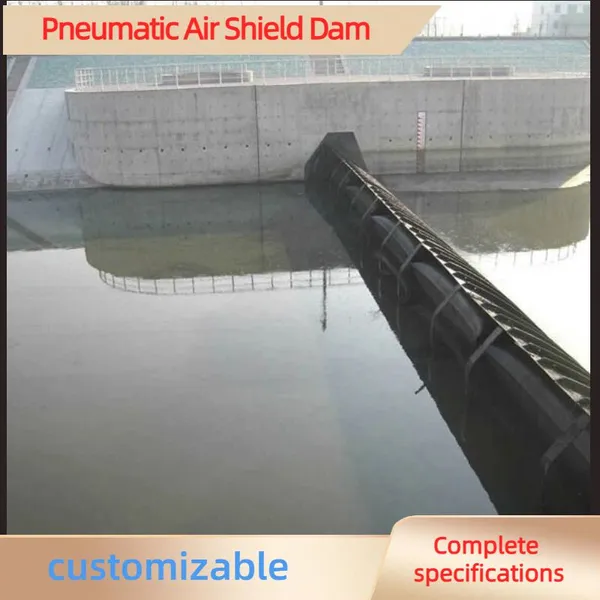 Read More
 -
Flood Control Performance and Safety Features of Modern Air Shield Dam
August 16, 2026Flood prevention and drainage are the core functions of river hydraulic facilities, and air shield dams show outstanding safety an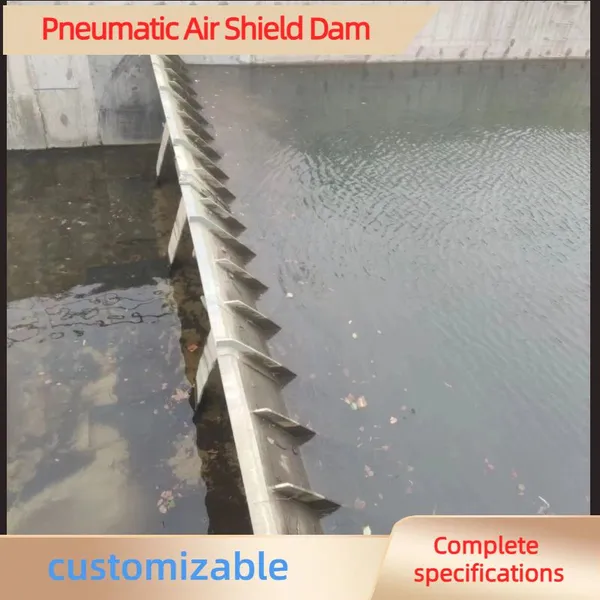 Read More
 -
How Air Shield Dam Improves River Ecological Environment and Protects Aquatic Ecology
August 16, 2026Traditional water retaining dams often block river migration channels and destroy the original ecological balance of water bodies.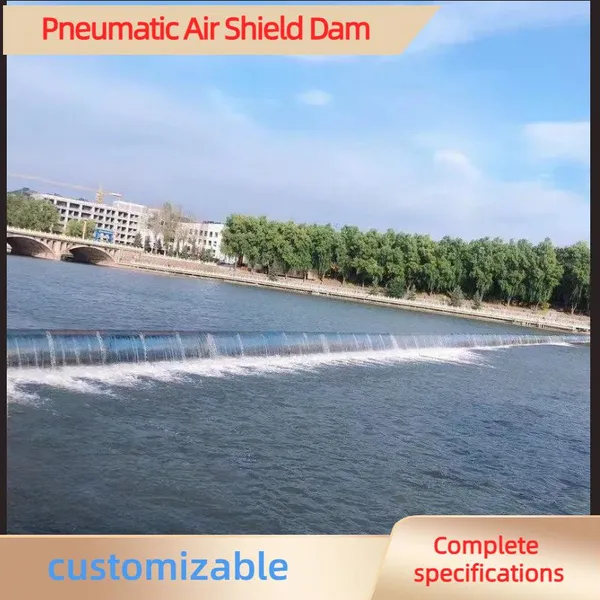 Read More
 -
Advantages of Pneumatic Air Shield Dam in Urban Landscape River Projects
August 16, 2026Urban landscape rivers require both practical water regulation functions and beautiful waterscape effects, and air shield dams per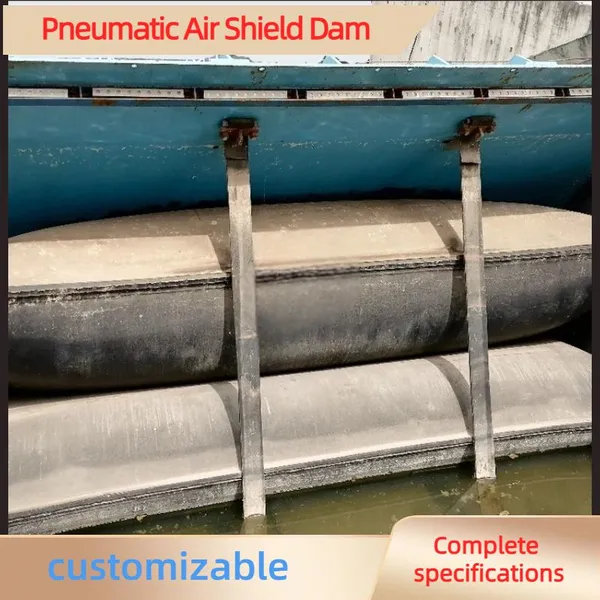 Read More

Contact Us
Recommended Products
-
 Custom Inflatable Rubber Dams – Dual Protection for Flood Control & Irrigation, Direct Factory SupplyUS$ 170 - 250MOQ: 20 Meters
 -
Inflatable Rubber Dams for River Regulation – Specialized for Ecological Landscape Water Storage, Customizable on DemandUS$ 170 - 250MOQ: 20 Meters
-
Lightweight Inflatable Rubber Dams – Fast Deployment, Ideal for Emergency Water ManagemenUS$ 170 - 250MOQ: 20 Meters
-
The Rubber Dam Built for Farmland Irrigation in Indonesia Can Store Water in a 25-meter-wide River.US$ 170 - 250MOQ: 20 Meters
-
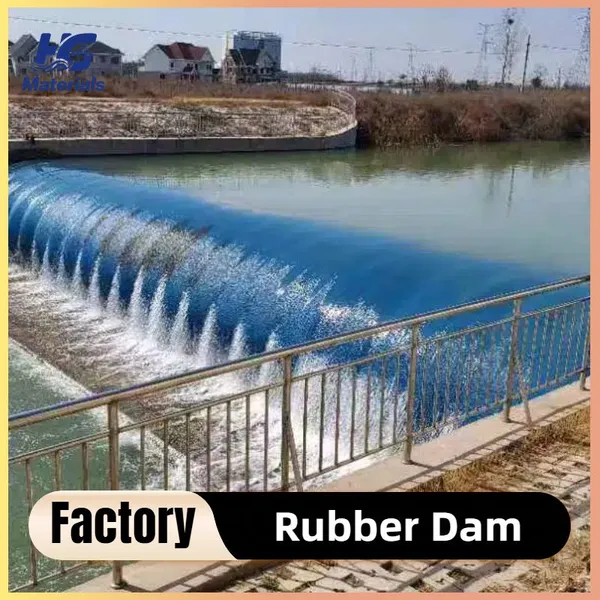
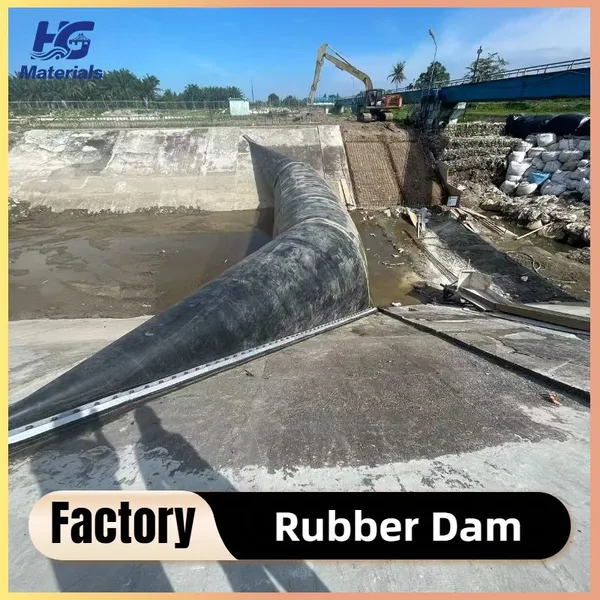
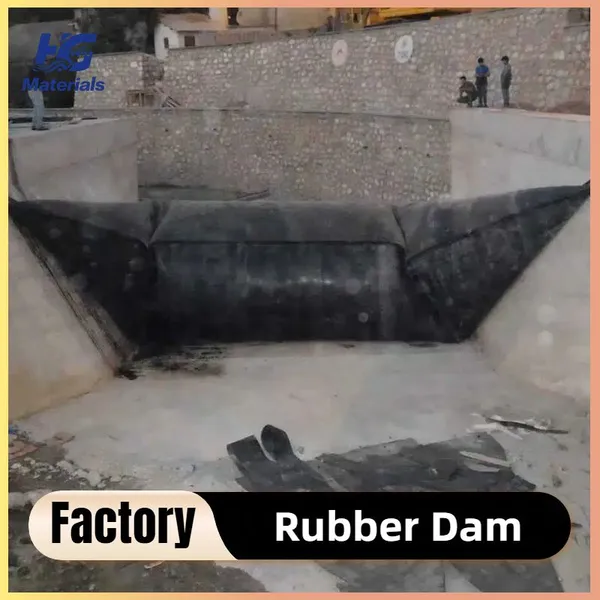
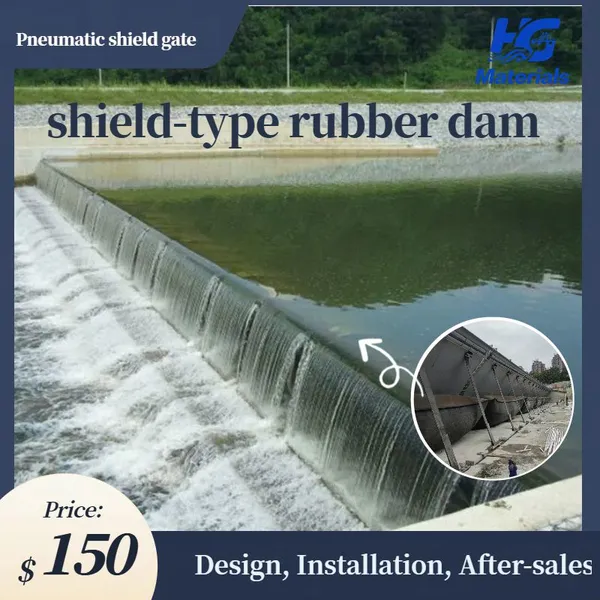
Pneumatic Shield Gate Shield-type Rubber Dam Air Shield Dam Spillway Gate Inflatable Rubber Dam Sold to Thailand, Malaysia, PhilippinesUS$ 1200 - 1500MOQ: 10 Square Meters
-
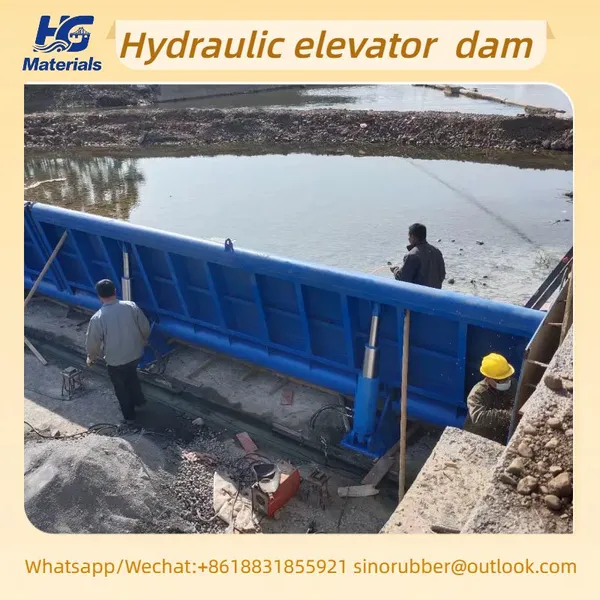
HG006 Hydraulic Elevator Dam Store Water Irrigate Landscape Flood Control Sluice Dam GateUS$ 300 - 350MOQ: 10 Square Meters
-
HG002 Cast Iron Sluice Gate, Farmland Irrigation and Drainage Gate, High-strength Wear-resistant Hydraulic Gate, Available in WholesaleUS$ 200 - 3000MOQ: 10 Combos
-
HG002manufacturer Specializes in Producing Custom-made Copper-inlaid Cast Iron Gates and Cast Iron Round GatesUS$ 200 - 3000MOQ: 10 Combos
-
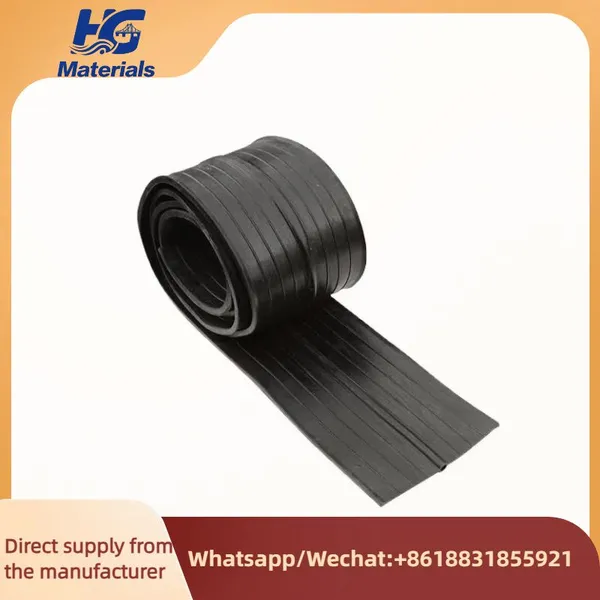
HG001 High Quality Rubber Pvc Water-stop Construction Concrete Joints Waterstops Rubber Water StopUS$ 4.8 - 5MOQ: 100 Meters
-
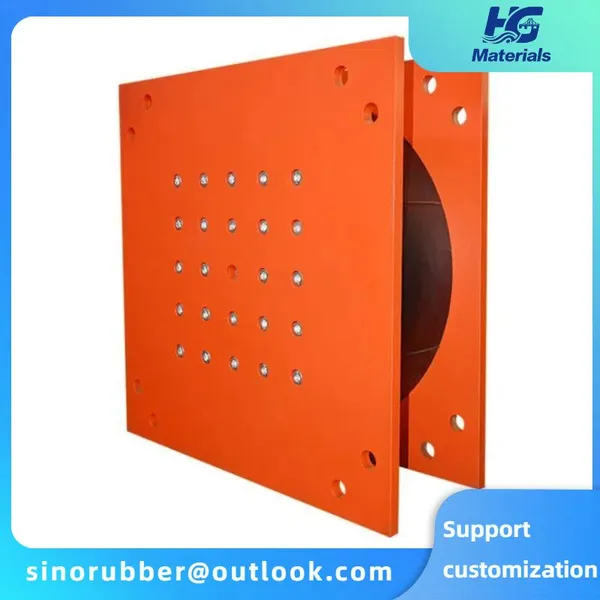
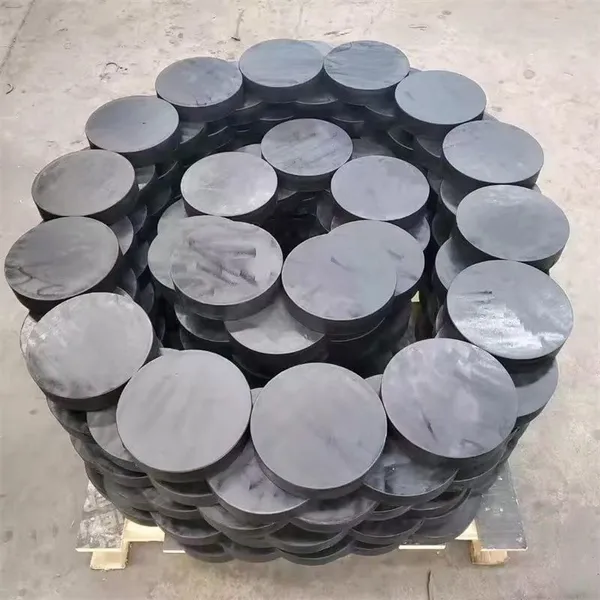
HG004 Elastomeric Laminated Neoprene Rubber Bridge Bearing Pad Nature Rubber Elastomeric Bearing PadUS$ 6.7 - 7MOQ: 10 Pieces
-
Iron Tower, Signal Tower, Power TowerUS$ 980 - 1000MOQ: 10 Metric Tons
-
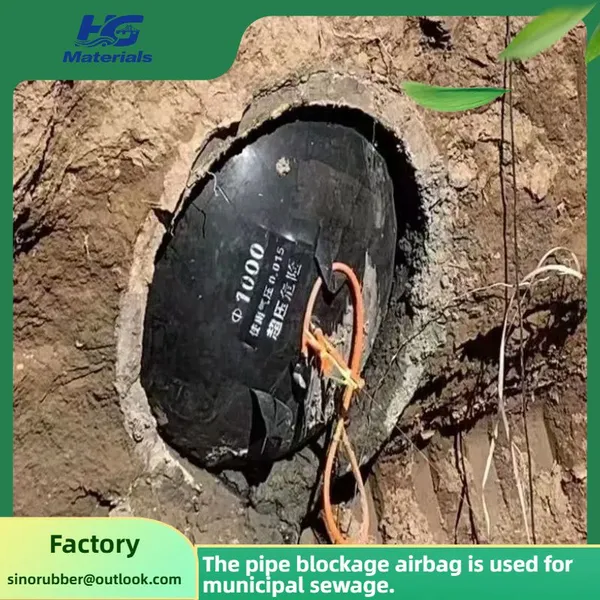
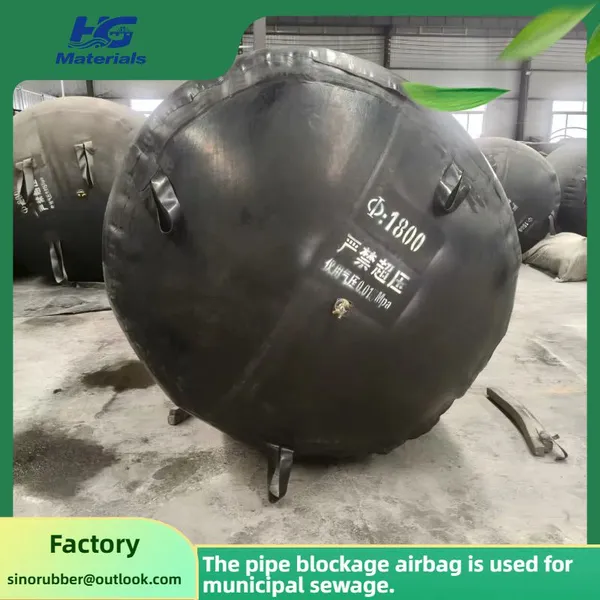
HG003 Customized Municipal Sewer Pipe Repair Pipe Blockage Diameter 800 Rubber Airbag Rubber Pipe Sealing AirbagUS$ 5 - 100MOQ: 10 Combos
-
Pipeline Blockage Water Balloon, Sewer Sewage Pipe Leak Sealing Rubber Balloon, Thickened Inflatable Pipeline BalloonUS$ 5 - 100MOQ: 10 Combos
-
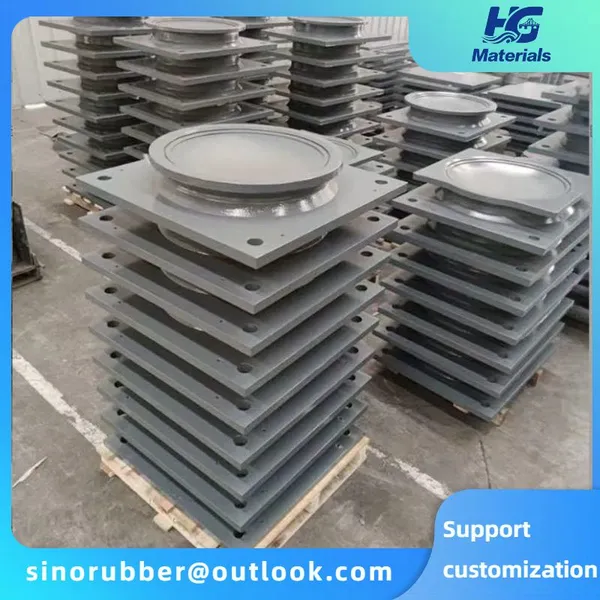
Bridge Rubber Bearings With Steel Reinforcement for Railway Use - Low Noise and Vibration Reduction PropertiesUS$ 6.7 - 7MOQ: 10 Pieces
-
HG004 Bridge Highway Rubber Bearings, Circular and Rectangular Bridge Construction PTFE Rubber Pad Bearings, Shock-absorbing PadsUS$ 6.7 - 7MOQ: 10 Pieces

-
Custom Inflatable Rubber Dams – Dual Protection for Flood Control & Irrigation, Direct From Source FactoryUS$ 170 - 250MOQ: 20 Meters
-
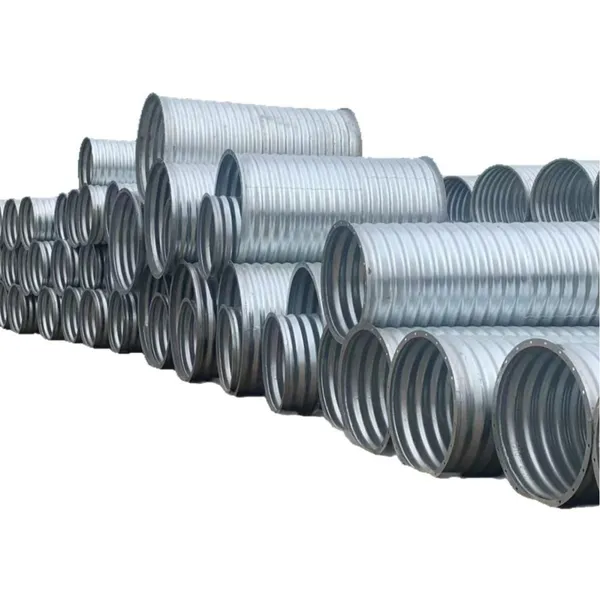
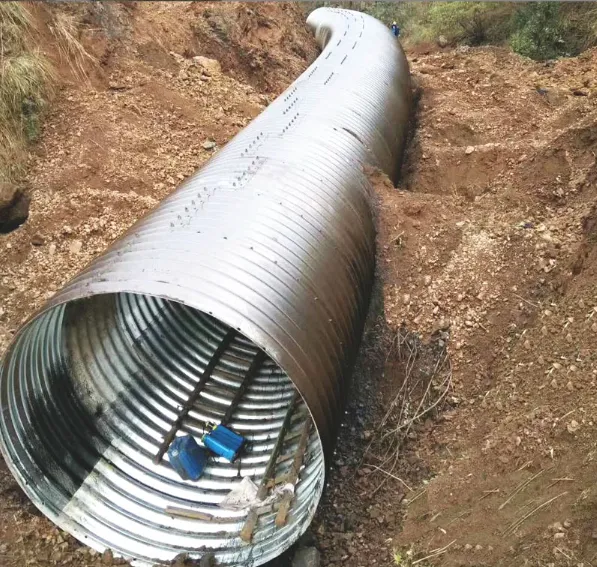
Hot Selling Galvanized 30 Corrugated Metal Pipe Cmp Culvert PipeUS$ 200 - 210MOQ: 100 Meters
-
Galvanized Corrugated Metal Pipe 20mm 3/4'' Armco Mp100 Steel Pipe Flexible Corrugated Tube Large DiameterUS$ 200 - 210MOQ: 100 Meters
-
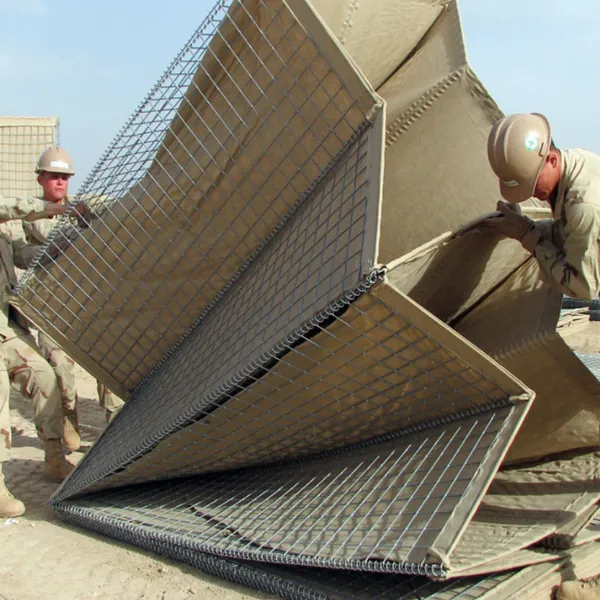
Hesco Bastion Galvanized Barrier Welded Barriers for Bastion Sand Recover Geotextile BastionUS$ 6 - 7MOQ: 100 Cases
-
Customizable Culvert Pipe Oval Shaped Steel Road Cheap 36 Inch Corrugated Metal Pipe PriceUS$ 200 - 210MOQ: 100 Meters