
 Business License

Cost-Benefit Analysis: Why Rubber Dams Save More Engineering Budget
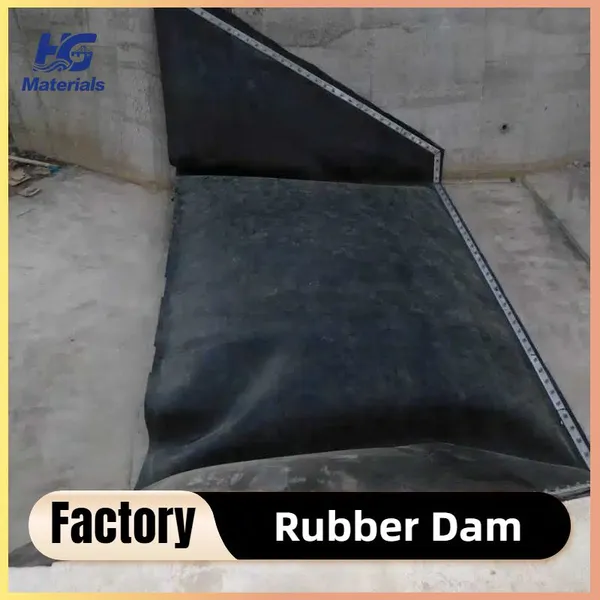
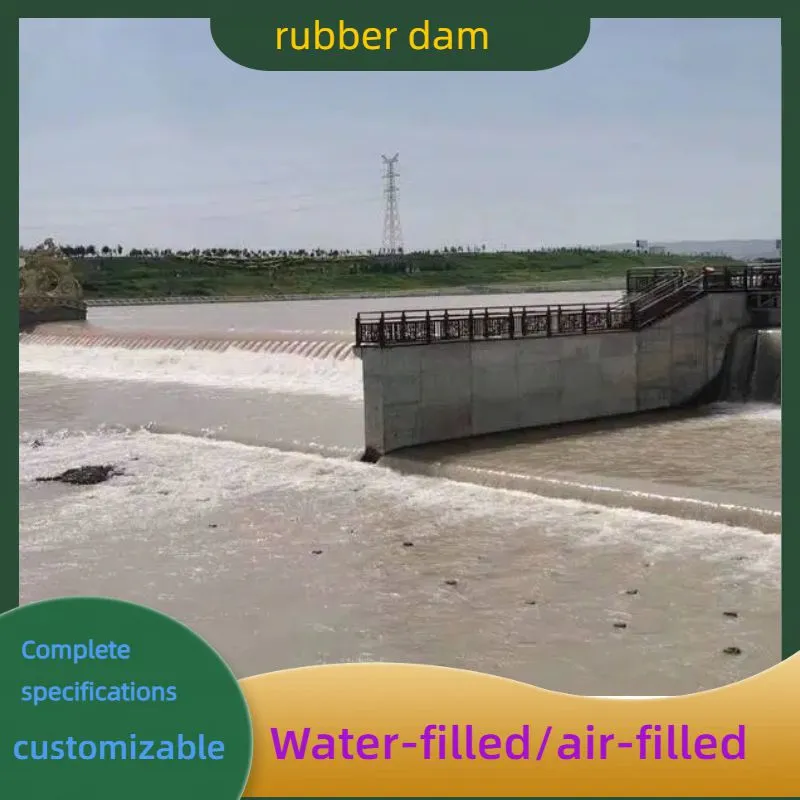
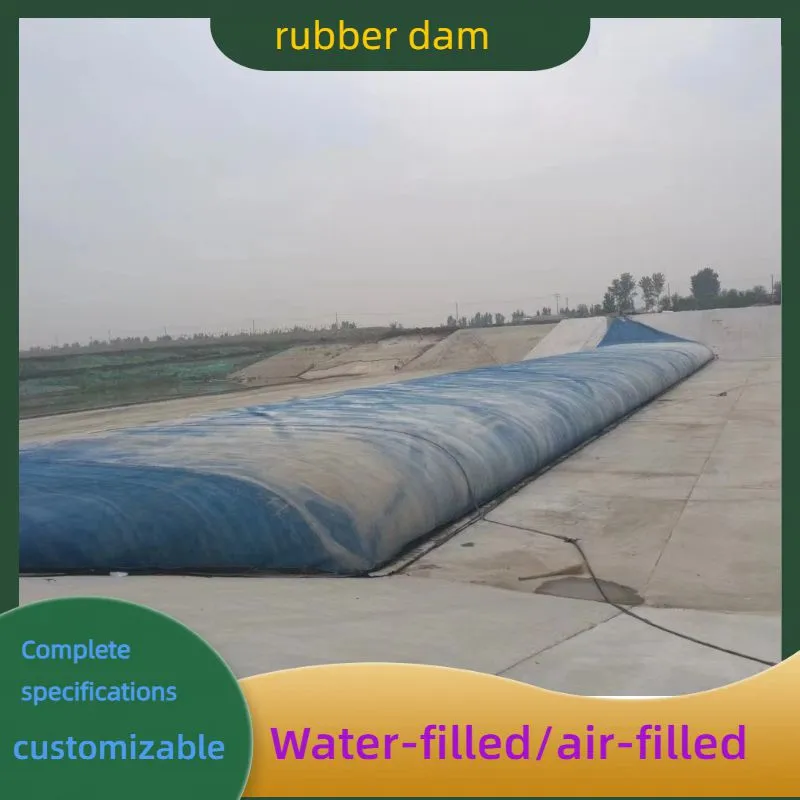
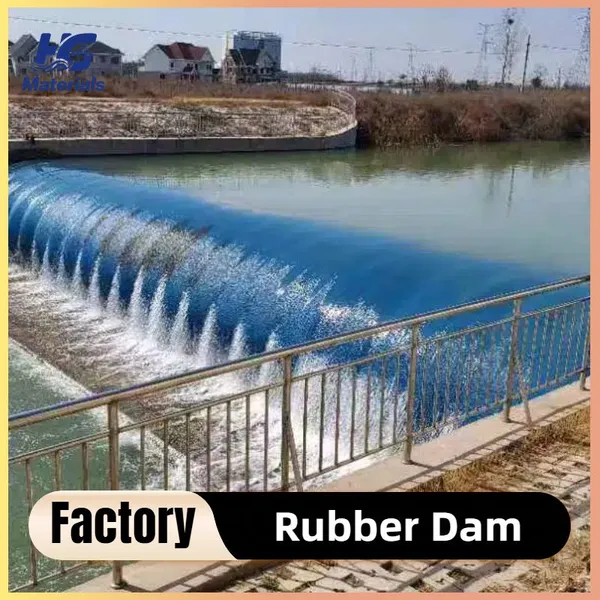
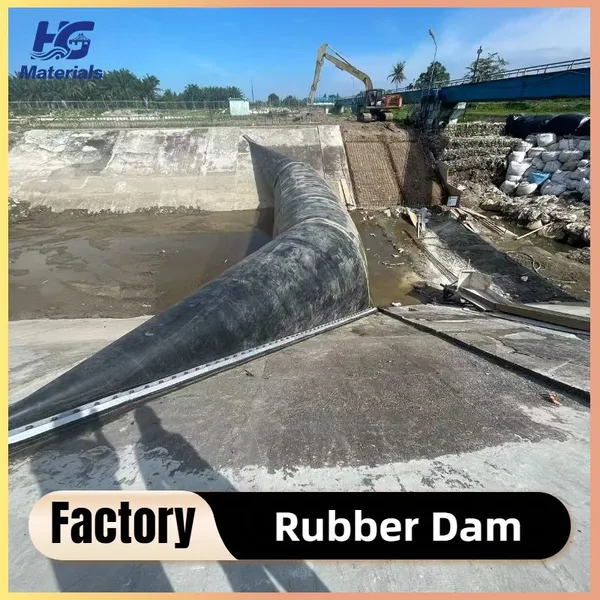
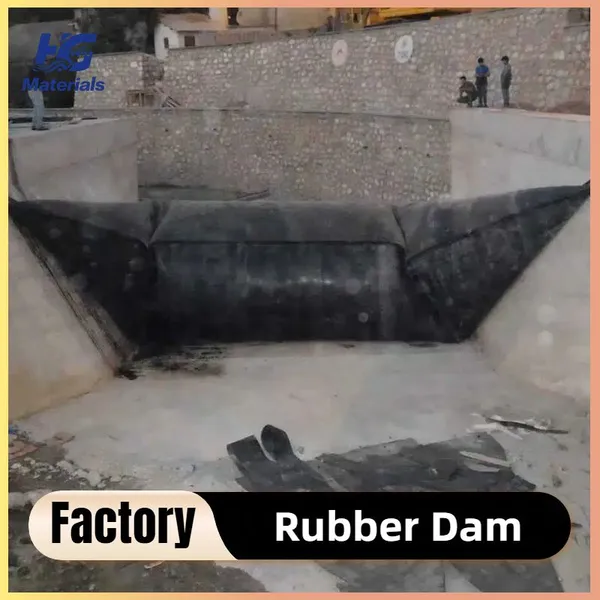
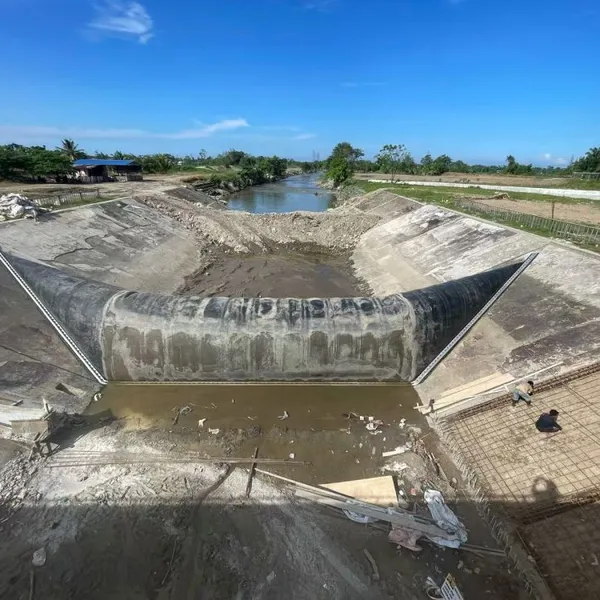
In modern hydraulic engineering bidding and construction, cost control and long-term benefit evaluation are the core factors that engineering purchasers and construction units focus on. Many traditional water retaining facilities have low initial investment on the surface, but they have high maintenance costs, short service life and poor adaptability, resulting in extremely high comprehensive cost in the whole life cycle. Through systematic cost-benefit analysis, inflatable rubber dams have become the most economical and cost-effective hydraulic water control facility in various engineering scenarios, which can effectively save the overall budget of water conservancy projects. First of all, in terms of initial construction cost, rubber dams adopt modular industrial production, with standardized finished products and supporting accessories, no complex on-site pouring and building construction procedures, and the construction cycle is only 1/3 of that of traditional concrete dams. It saves a lot of construction materials, mechanical equipment investment and manual construction costs, and the overall initial investment is far lower than traditional rigid dams. Secondly, in terms of transportation and installation costs, rubber dams can be folded and transported in bulk, with low transportation volume and convenient handling, no need for large-scale hoisting equipment, which greatly saves transportation and construction auxiliary costs. In terms of later operation and maintenance, the advantages of rubber dams are more prominent. The high-strength composite rubber material has super anti-aging, anti-corrosion and anti-wear performance, which can resist long-term water flow scouring, floating object impact and environmental erosion, and will not have structural damage and water leakage failure in 10-15 years of normal use. It does not need regular reinforcement, repair and anti-corrosion treatment like concrete and steel dams, and the annual maintenance cost is almost negligible. In addition, rubber dams have strong reuse value. Portable inflatable rubber dams can be disassembled, folded and stored after the completion of temporary engineering projects, and reused in subsequent different construction scenarios, realizing repeated utilization of resources and further reducing engineering unit cost. From the perspective of whole life cycle benefit, rubber dams have the advantages of low initial investment, low maintenance cost, long service life and reusable performance, which can maximize the economic benefit of hydraulic engineering and is the preferred cost-saving solution for modern water conservancy construction
Recently Posted
-
Cost-Effectiveness and Long-Term Operation Value of Air Shield Dam Water Conservancy Facility
August 16, 2026For water conservancy investors and engineering contractors, air shield dams have obvious economic advantages in long-term project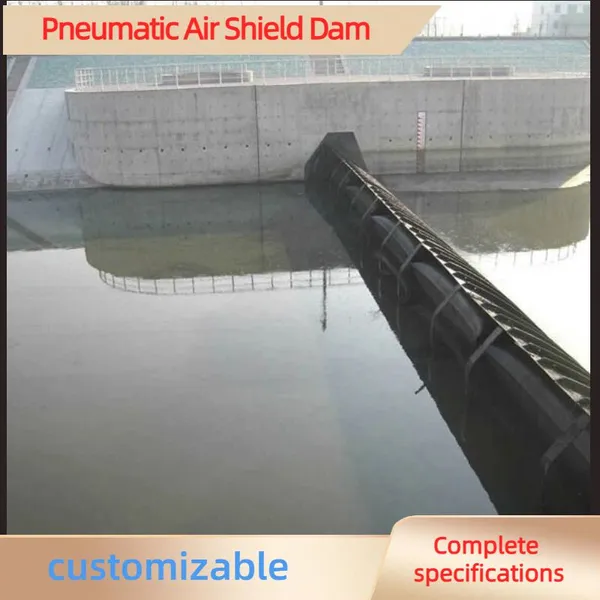 Read More
 -
Flood Control Performance and Safety Features of Modern Air Shield Dam
August 16, 2026Flood prevention and drainage are the core functions of river hydraulic facilities, and air shield dams show outstanding safety an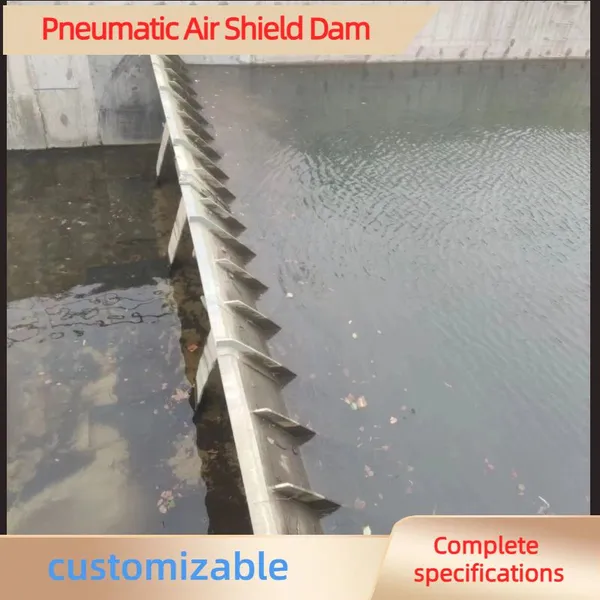 Read More
 -
How Air Shield Dam Improves River Ecological Environment and Protects Aquatic Ecology
August 16, 2026Traditional water retaining dams often block river migration channels and destroy the original ecological balance of water bodies.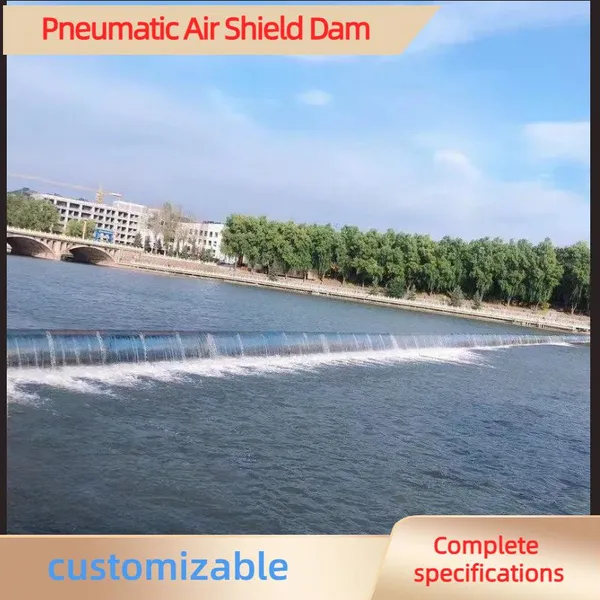 Read More
 -
Advantages of Pneumatic Air Shield Dam in Urban Landscape River Projects
August 16, 2026Urban landscape rivers require both practical water regulation functions and beautiful waterscape effects, and air shield dams per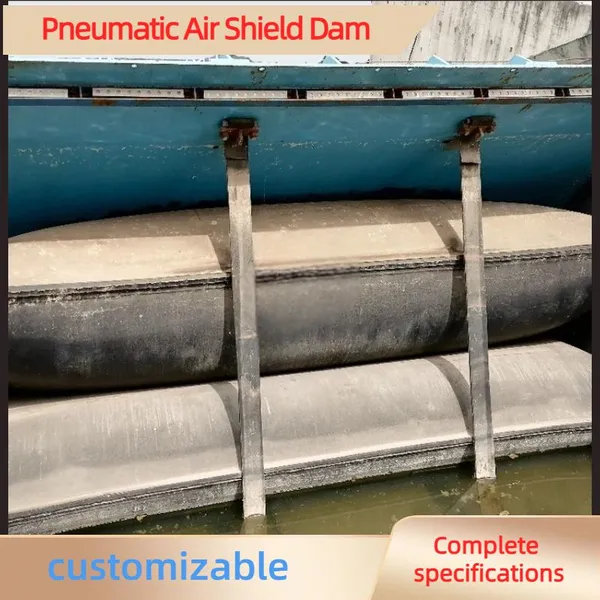 Read More

Contact Us
Recommended Products
-
 Custom Inflatable Rubber Dams – Dual Protection for Flood Control & Irrigation, Direct Factory SupplyUS$ 170 - 250MOQ: 20 Meters
 -
Inflatable Rubber Dams for River Regulation – Specialized for Ecological Landscape Water Storage, Customizable on DemandUS$ 170 - 250MOQ: 20 Meters
-
Lightweight Inflatable Rubber Dams – Fast Deployment, Ideal for Emergency Water ManagemenUS$ 170 - 250MOQ: 20 Meters
-
The Rubber Dam Built for Farmland Irrigation in Indonesia Can Store Water in a 25-meter-wide River.US$ 170 - 250MOQ: 20 Meters
-
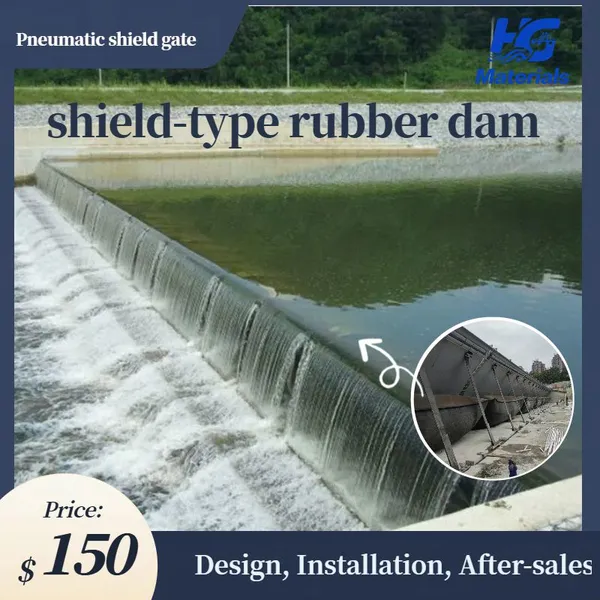
Pneumatic Shield Gate Shield-type Rubber Dam Air Shield Dam Spillway Gate Inflatable Rubber Dam Sold to Thailand, Malaysia, PhilippinesUS$ 1200 - 1500MOQ: 10 Square Meters
-
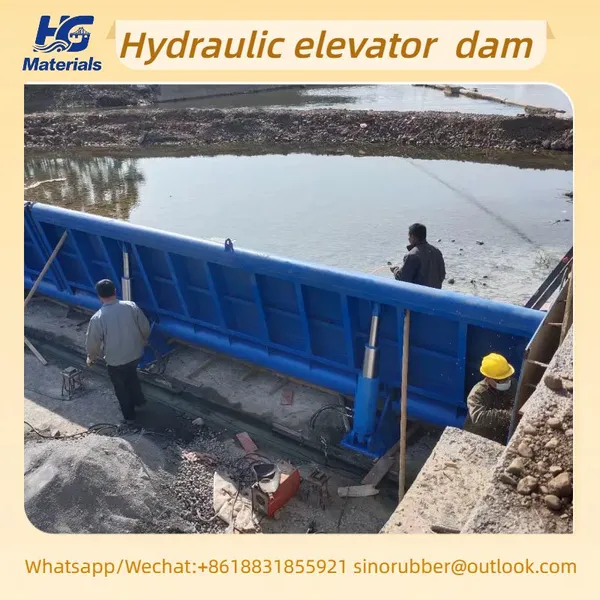
HG006 Hydraulic Elevator Dam Store Water Irrigate Landscape Flood Control Sluice Dam GateUS$ 300 - 350MOQ: 10 Square Meters
-
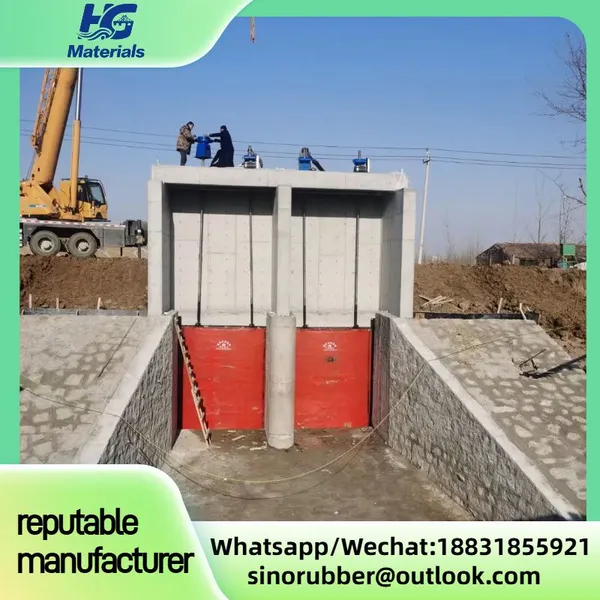
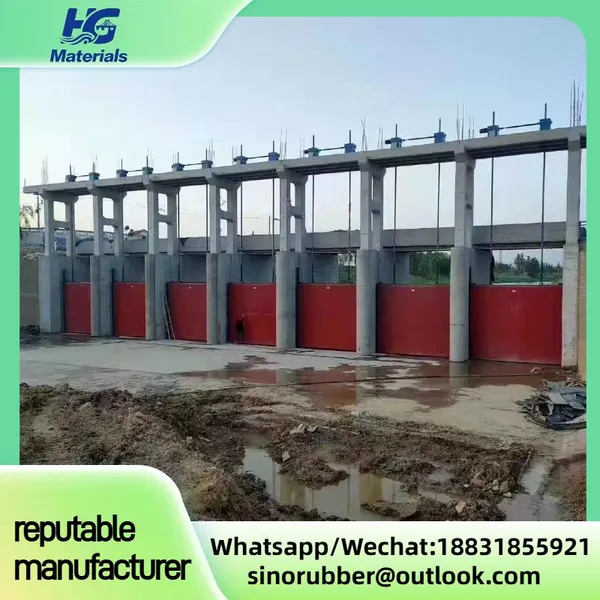
HG002 Cast Iron Sluice Gate, Farmland Irrigation and Drainage Gate, High-strength Wear-resistant Hydraulic Gate, Available in WholesaleUS$ 200 - 3000MOQ: 10 Combos
-
HG002manufacturer Specializes in Producing Custom-made Copper-inlaid Cast Iron Gates and Cast Iron Round GatesUS$ 200 - 3000MOQ: 10 Combos
-
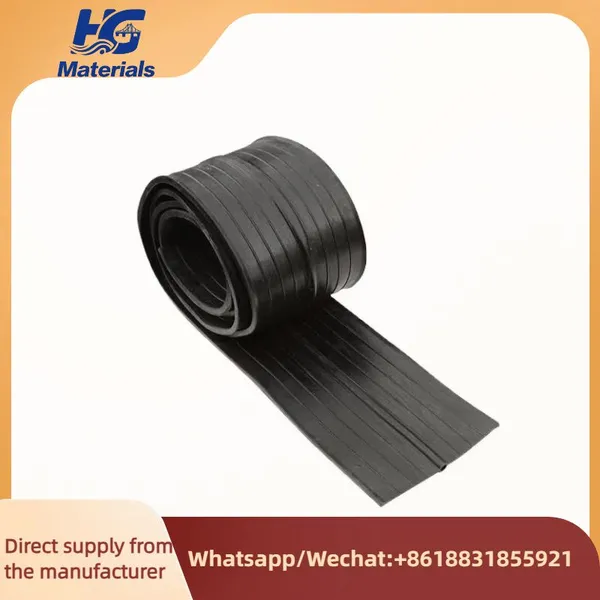
HG001 High Quality Rubber Pvc Water-stop Construction Concrete Joints Waterstops Rubber Water StopUS$ 4.8 - 5MOQ: 100 Meters
-
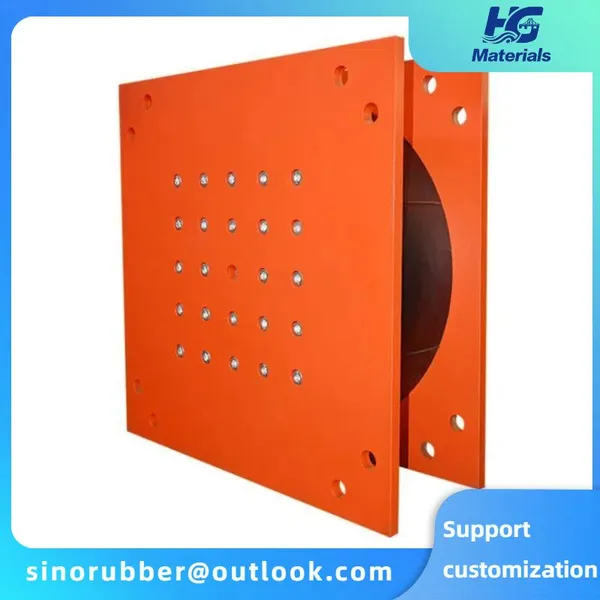
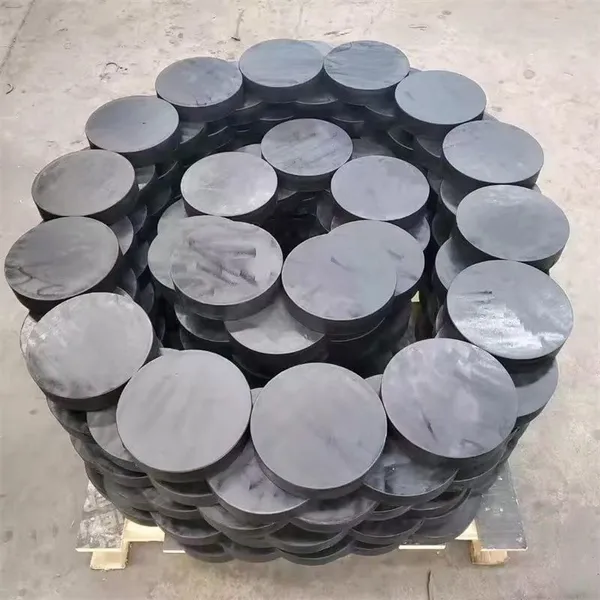
HG004 Elastomeric Laminated Neoprene Rubber Bridge Bearing Pad Nature Rubber Elastomeric Bearing PadUS$ 6.7 - 7MOQ: 10 Pieces
-
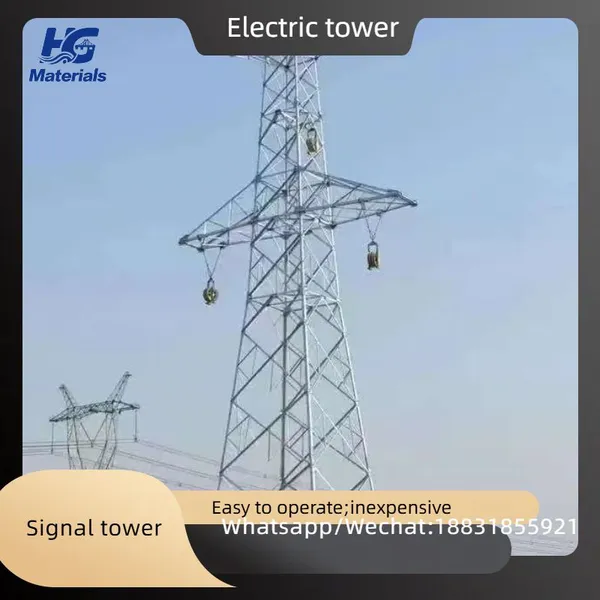
Iron Tower, Signal Tower, Power TowerUS$ 980 - 1000MOQ: 10 Metric Tons
-
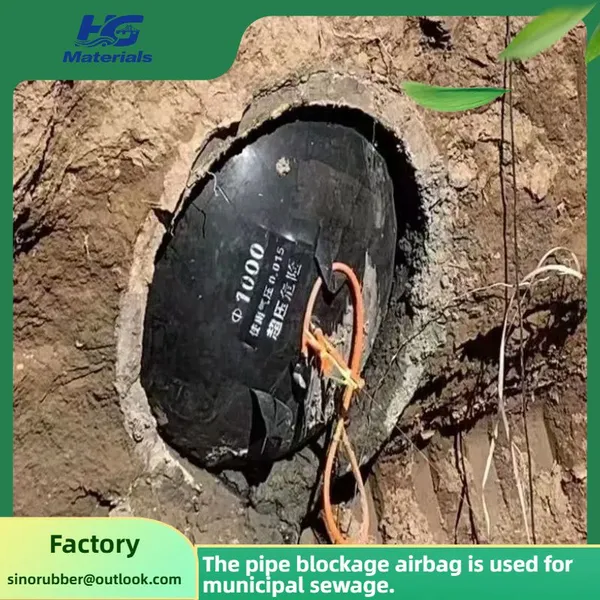
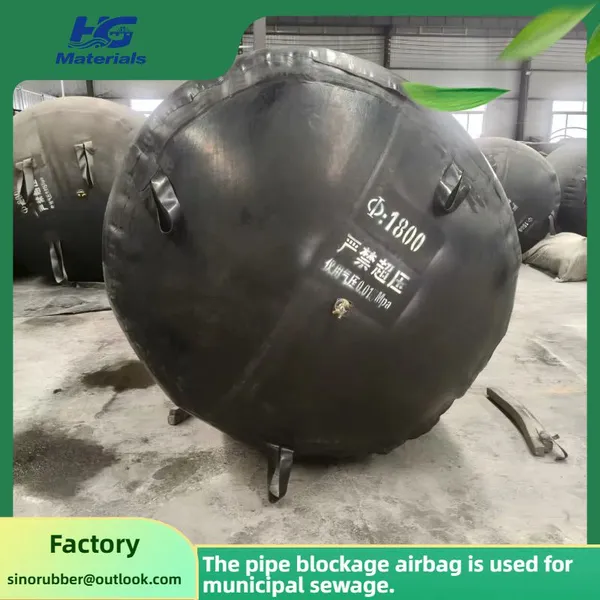
HG003 Customized Municipal Sewer Pipe Repair Pipe Blockage Diameter 800 Rubber Airbag Rubber Pipe Sealing AirbagUS$ 5 - 100MOQ: 10 Combos
-
Pipeline Blockage Water Balloon, Sewer Sewage Pipe Leak Sealing Rubber Balloon, Thickened Inflatable Pipeline BalloonUS$ 5 - 100MOQ: 10 Combos
-
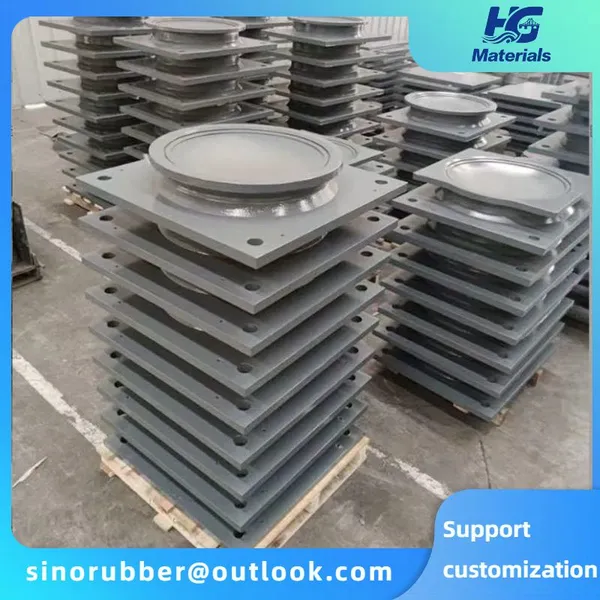
Bridge Rubber Bearings With Steel Reinforcement for Railway Use - Low Noise and Vibration Reduction PropertiesUS$ 6.7 - 7MOQ: 10 Pieces
-
HG004 Bridge Highway Rubber Bearings, Circular and Rectangular Bridge Construction PTFE Rubber Pad Bearings, Shock-absorbing PadsUS$ 6.7 - 7MOQ: 10 Pieces
-
Custom Inflatable Rubber Dams – Dual Protection for Flood Control & Irrigation, Direct From Source FactoryUS$ 170 - 250MOQ: 20 Meters
-
Hot Selling Galvanized 30 Corrugated Metal Pipe Cmp Culvert PipeUS$ 200 - 210MOQ: 100 Meters
-
Galvanized Corrugated Metal Pipe 20mm 3/4'' Armco Mp100 Steel Pipe Flexible Corrugated Tube Large DiameterUS$ 200 - 210MOQ: 100 Meters
-
Hesco Bastion Galvanized Barrier Welded Barriers for Bastion Sand Recover Geotextile BastionUS$ 6 - 7MOQ: 100 Cases
-
Customizable Culvert Pipe Oval Shaped Steel Road Cheap 36 Inch Corrugated Metal Pipe PriceUS$ 200 - 210MOQ: 100 Meters