
 Business License

Pneumatic Shield Dam vs Rubber Dam: Which Is Better for Water Conservancy Projects?
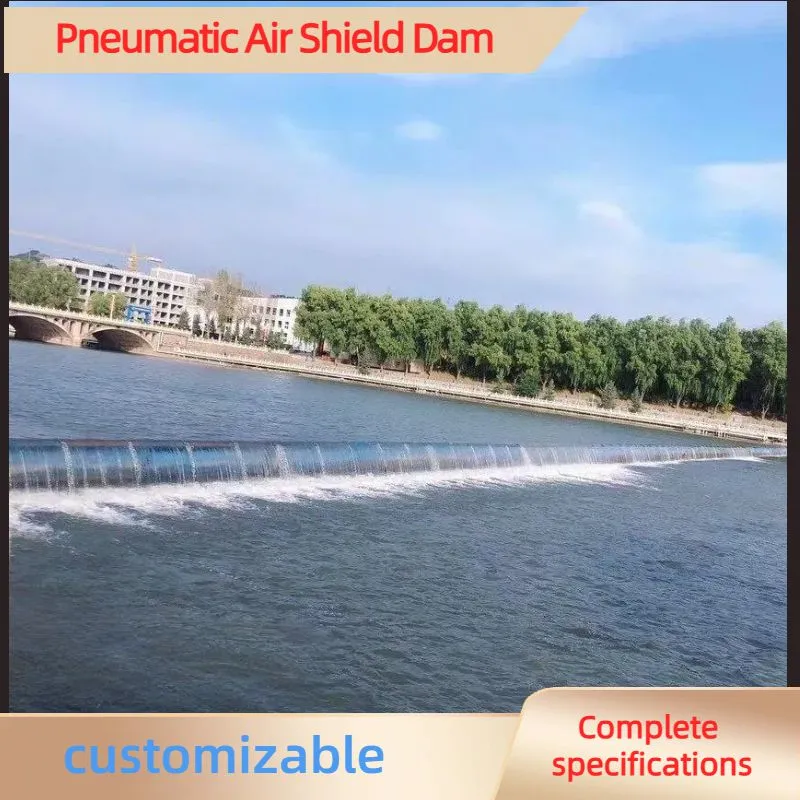
Pneumatic shield dams and rubber dams are two mature, widely applied flexible water retaining facilities in modern hydraulic engineering. Both adopt flexible inflation driving structures, abandoning the rigidity and high cost of traditional concrete dams and steel gates, and can well meet the core demands of river water storage, landscape shaping, flood discharge and ecological regulation. Many project contractors and water conservancy managers struggle with model selection, as the two products have their own unique advantages and applicable scenarios, with no absolute superiority or inferiority. This article objectively analyzes the respective strengths and differentiated application values of pneumatic shield dams and rubber dams from structural design, operation performance, adaptability, cost and life cycle, to provide accurate and fair reference for global engineering project selection.
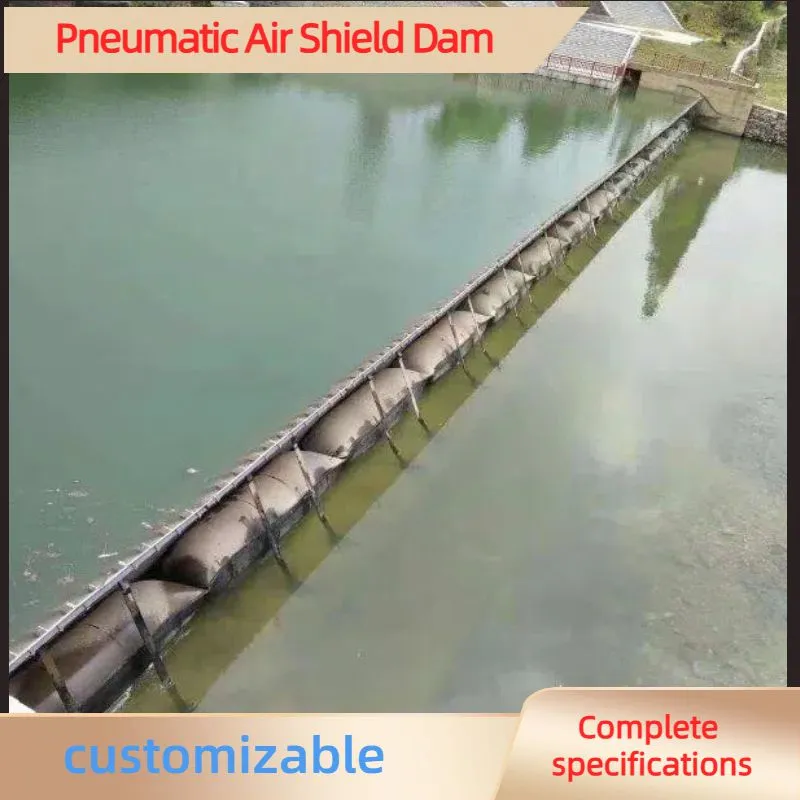
In terms of structural design and impact resistance, pneumatic shield dams present distinctive technical advantages. Adopting the innovative composite structure of "metal shield plate + internal airbag", the external high-strength anti-corrosion steel plate independently bears water pressure, water flow impact and collision of floating branches, stones and other sundries in the river. The internal airbag only provides power support for dam lifting and lowering, which effectively avoids direct extrusion and abrasion of the airbag by water flow and sediment. This separated force-bearing structure makes the overall structure more stable, not prone to deformation and damage under long-term high-flow water impact, and maintains stable water retaining performance in complex flood seasons and harsh water environments. It is very suitable for mountain rivers, mainstream water channels and other scenarios with large water flow and many floating impurities.
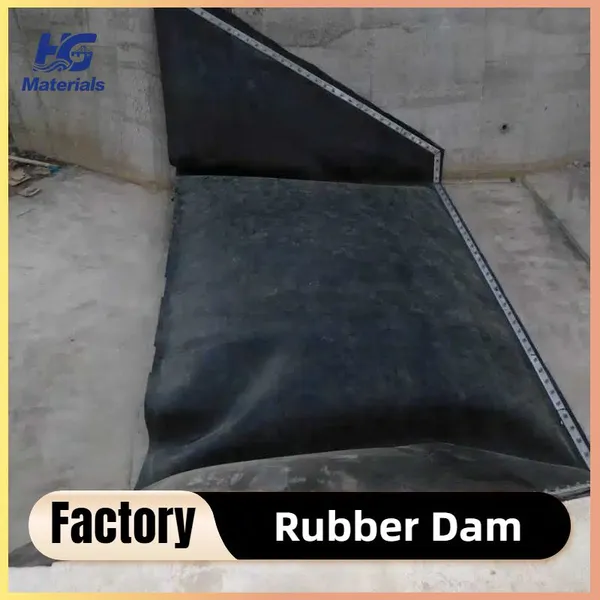
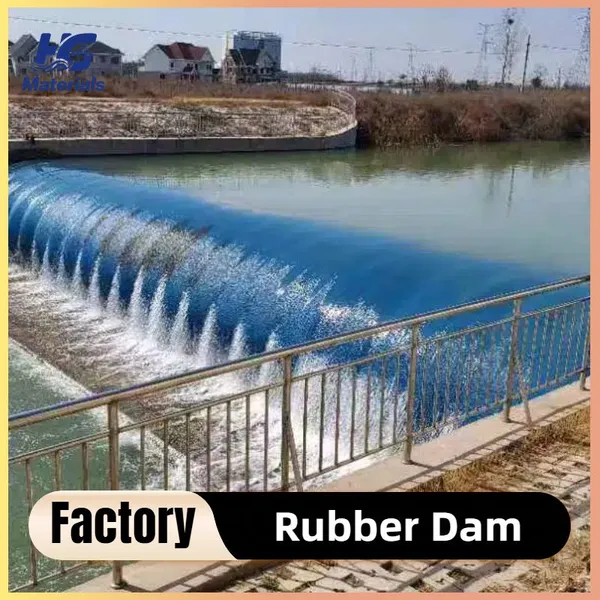
Traditional rubber dams have outstanding advantages in structural simplicity, landscape integration and initial construction cost. The rubber dam adopts an integrated full rubber airbag structure, with a simple and streamlined overall design, no exposed metal components, and excellent fitting performance with the river bed. When retaining water, the dam body presents a smooth and curved natural shape, which is highly integrated with urban rivers, scenic waterscapes and rural ecological river channels, creating soft and natural water landscape effects favored by many landscape water conservancy projects. In terms of engineering construction, the rubber dam has fewer supporting accessories, simpler foundation matching requirements, more convenient on-site construction and lower initial investment cost. It is a cost-effective preferred choice for conventional small and medium-sized river regulation, rural water storage and conventional landscape water retaining projects with gentle water flow and few floating objects.
In terms of operation efficiency and fine water control, the two products have their own applicable functional advantages. Pneumatic shield dams support fast pneumatic inflation and deflation, with the whole dam body lifting and flattening completed in several minutes, featuring extremely fast emergency response speed, which is suitable for urban flood control and emergency flood discharge scenarios requiring rapid regulation. Meanwhile, it supports independent lifting of single dam sections and stepless water level adjustment, realizing precise fine water resource management, and can meet the high-precision water level control demands of ecological restoration and precise irrigation projects. In addition, the fully flattened dam body leaves no dead angle in the river channel, realizing thorough sediment flushing and maintaining long-term smooth river channels.
Rubber dams adopt mature water-filled or air-filled driving modes, with stable and reliable operation logic and low failure probability in conventional constant water level maintenance scenarios. For projects that require long-term fixed water level storage and infrequent water level adjustment, the integrated rubber airbag has good overall sealing performance, uniform stress, stable water retaining effect and no local water leakage. Moreover, the flexible rubber dam body can produce gentle water overflow when the water level exceeds the standard, forming continuous and soft water curtain landscape, which has unique aesthetic advantages in static waterscape construction and is widely recognized in urban leisure waterscape projects.
In terms of service life, maintenance and scenario adaptability, the two types of dams form a perfect complementary relationship. Pneumatic shield dams have a longer overall service life, with anti-corrosion metal shield plates effectively resisting ultraviolet aging, water abrasion and salt fog erosion in coastal areas. The vulnerable parts are few, and daily maintenance only requires regular inspection of air circuits and control systems, with low long-term operation and maintenance costs, suitable for long-term uninterrupted operation of key hydraulic projects and harsh environment scenarios.
Rubber dams adopt high-elastic anti-aging rubber materials optimized for hydraulic engineering, with good flexibility, earthquake resistance and terrain adaptability, and can adapt to slightly uneven river bed foundations and complex terrain changes. The product technology is mature, the maintenance and replacement process is simple and universal, and grassroots water conservancy management teams can quickly complete daily maintenance and partial component replacement. For conventional civil water conservancy, rural irrigation and ordinary urban landscape projects with low later operation intensity, rubber dams have high practicability and cost performance, fully meeting the daily operation needs of conventional projects.
To sum up, pneumatic shield dams and rubber dams are both excellent flexible water retaining equipment, with no absolute gap in product quality. Pneumatic shield dams are more inclined to high-strength working conditions, emergency regulation, precise water control and long-term low-maintenance operation scenarios; rubber dams excel in conventional landscape shaping, low-flow water storage, low-budget engineering and simple daily operation scenarios. Project selection only needs to match the product characteristics according to local river hydrology, functional demands and project budget to achieve the best engineering effect and economic benefit.
Recently Posted
-
Cost-Effectiveness and Long-Term Operation Value of Air Shield Dam Water Conservancy Facility
August 16, 2026For water conservancy investors and engineering contractors, air shield dams have obvious economic advantages in long-term project Read More
 -
Flood Control Performance and Safety Features of Modern Air Shield Dam
August 16, 2026Flood prevention and drainage are the core functions of river hydraulic facilities, and air shield dams show outstanding safety an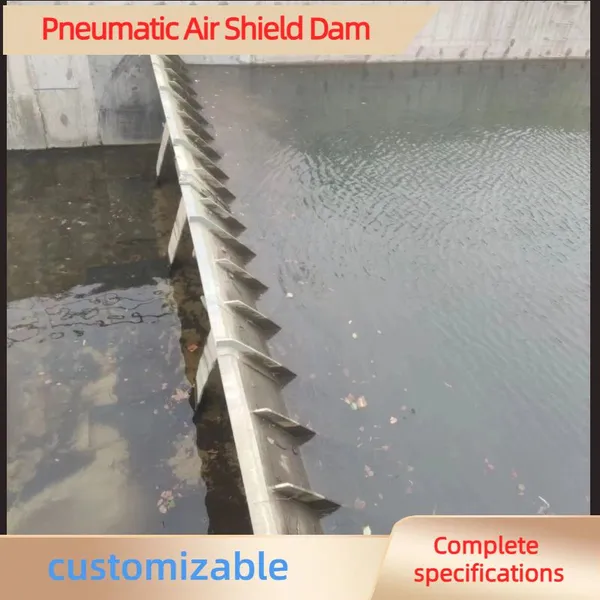 Read More
 -
How Air Shield Dam Improves River Ecological Environment and Protects Aquatic Ecology
August 16, 2026Traditional water retaining dams often block river migration channels and destroy the original ecological balance of water bodies.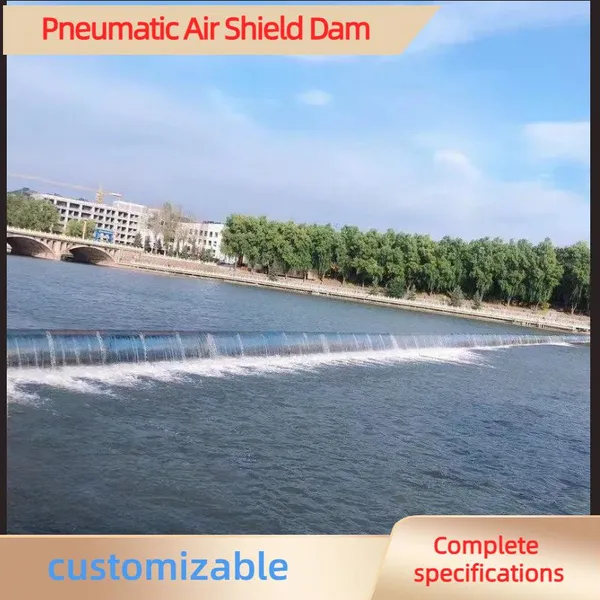 Read More
 -
Advantages of Pneumatic Air Shield Dam in Urban Landscape River Projects
August 16, 2026Urban landscape rivers require both practical water regulation functions and beautiful waterscape effects, and air shield dams per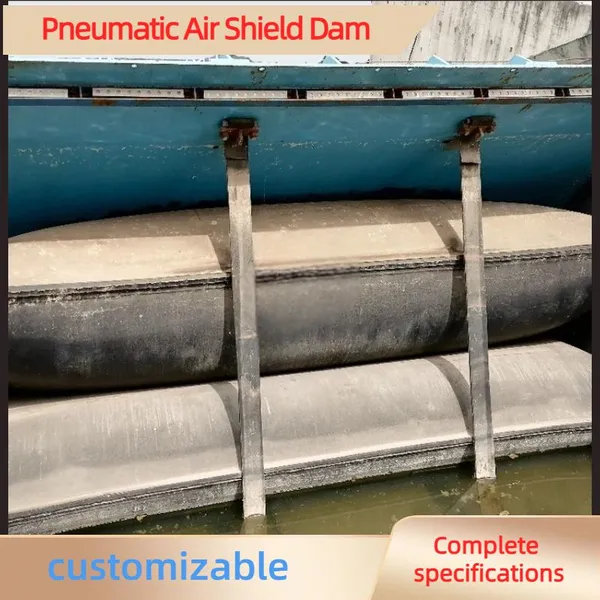 Read More

Contact Us
Recommended Products
-
 Custom Inflatable Rubber Dams – Dual Protection for Flood Control & Irrigation, Direct Factory SupplyUS$ 170 - 250MOQ: 20 Meters
 -
Inflatable Rubber Dams for River Regulation – Specialized for Ecological Landscape Water Storage, Customizable on DemandUS$ 170 - 250MOQ: 20 Meters
-
Lightweight Inflatable Rubber Dams – Fast Deployment, Ideal for Emergency Water ManagemenUS$ 170 - 250MOQ: 20 Meters
-
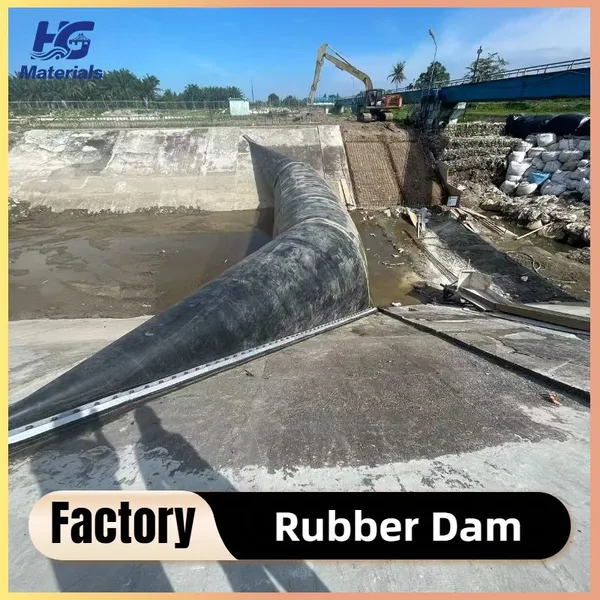
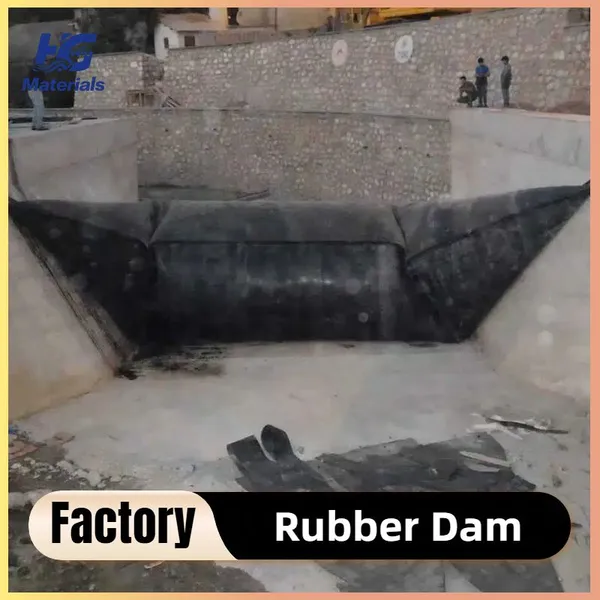
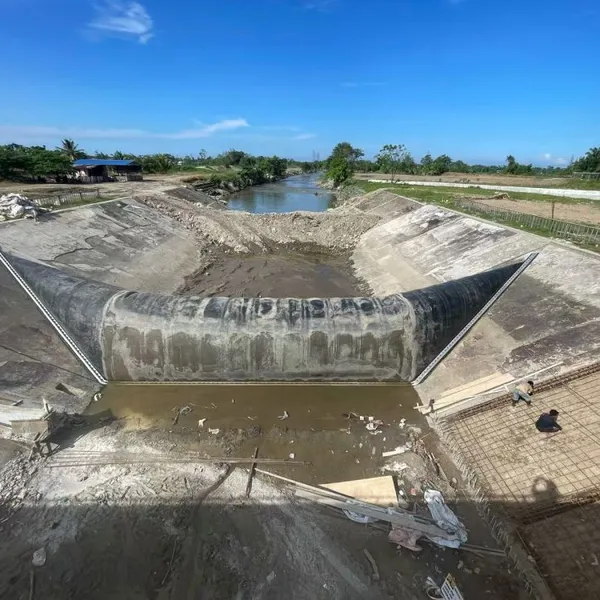
The Rubber Dam Built for Farmland Irrigation in Indonesia Can Store Water in a 25-meter-wide River.US$ 170 - 250MOQ: 20 Meters
-
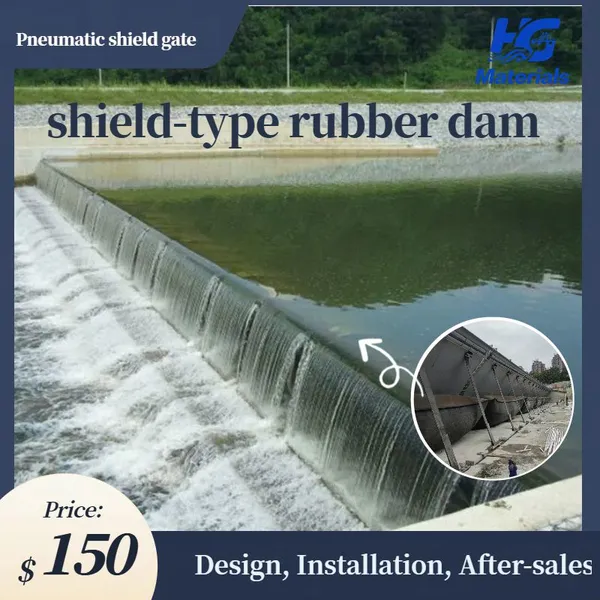
Pneumatic Shield Gate Shield-type Rubber Dam Air Shield Dam Spillway Gate Inflatable Rubber Dam Sold to Thailand, Malaysia, PhilippinesUS$ 1200 - 1500MOQ: 10 Square Meters
-
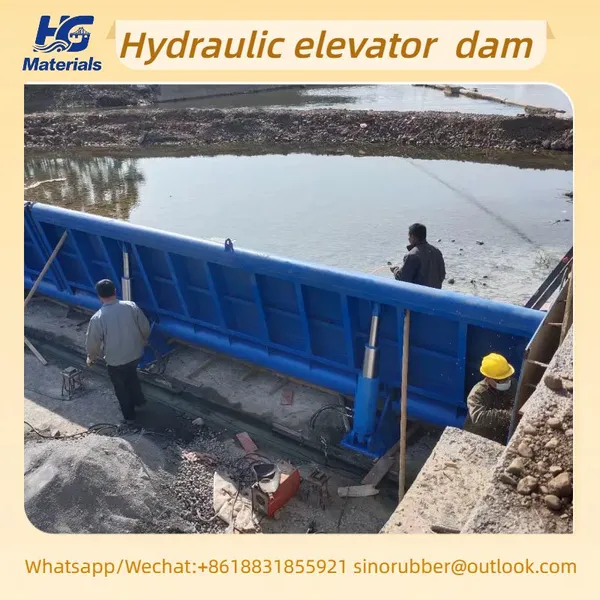
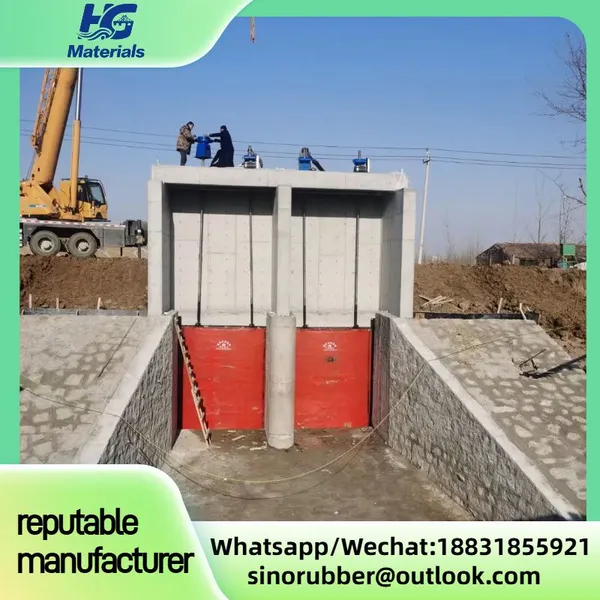
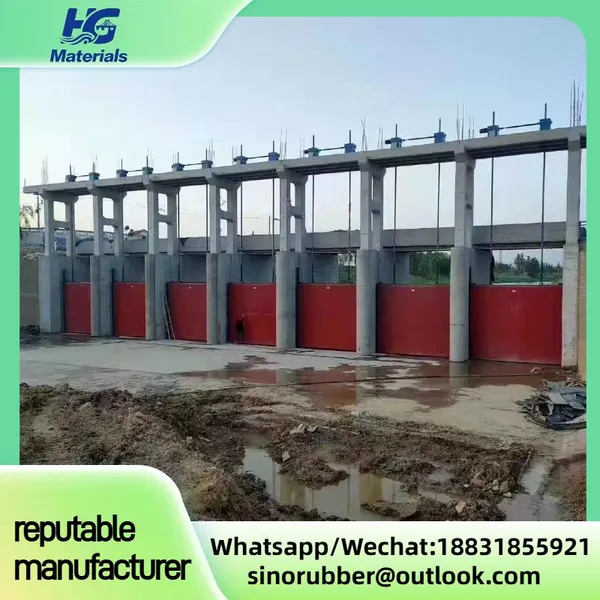
HG006 Hydraulic Elevator Dam Store Water Irrigate Landscape Flood Control Sluice Dam GateUS$ 300 - 350MOQ: 10 Square Meters
-
HG002 Cast Iron Sluice Gate, Farmland Irrigation and Drainage Gate, High-strength Wear-resistant Hydraulic Gate, Available in WholesaleUS$ 200 - 3000MOQ: 10 Combos
-
HG002manufacturer Specializes in Producing Custom-made Copper-inlaid Cast Iron Gates and Cast Iron Round GatesUS$ 200 - 3000MOQ: 10 Combos
-
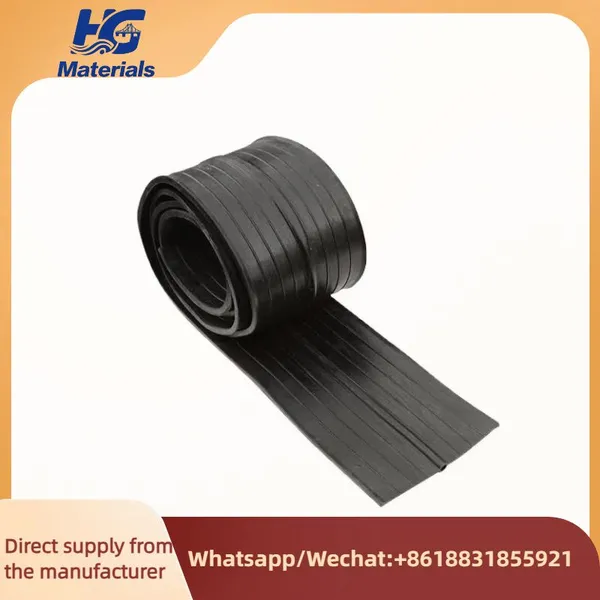
HG001 High Quality Rubber Pvc Water-stop Construction Concrete Joints Waterstops Rubber Water StopUS$ 4.8 - 5MOQ: 100 Meters
-
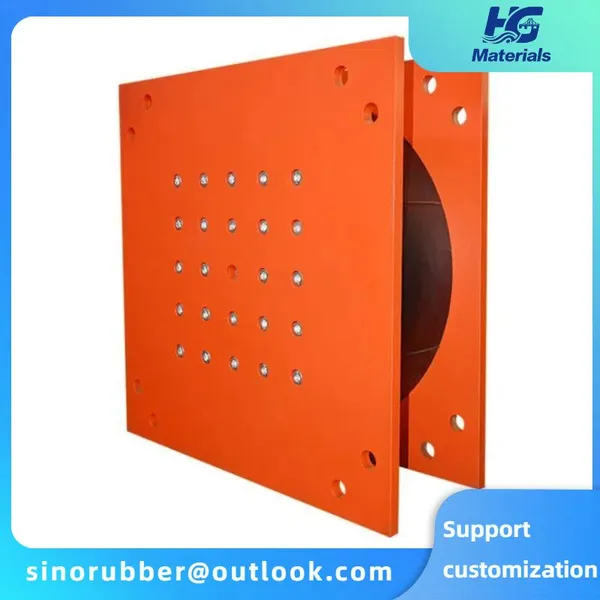
HG004 Elastomeric Laminated Neoprene Rubber Bridge Bearing Pad Nature Rubber Elastomeric Bearing PadUS$ 6.7 - 7MOQ: 10 Pieces
-
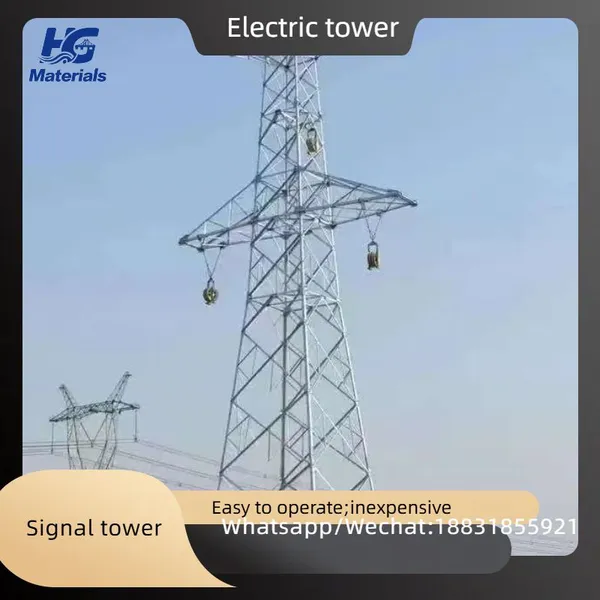
Iron Tower, Signal Tower, Power TowerUS$ 980 - 1000MOQ: 10 Metric Tons
-
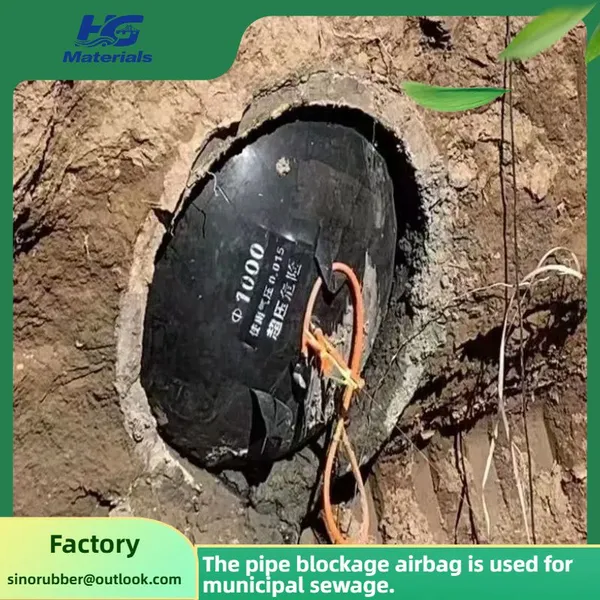
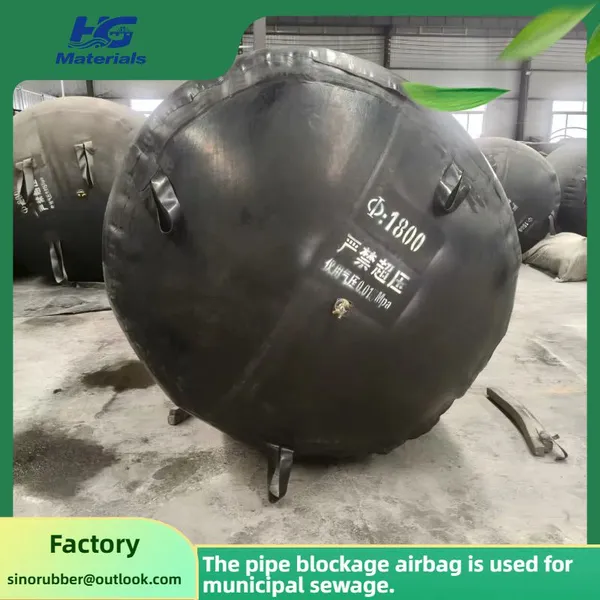
HG003 Customized Municipal Sewer Pipe Repair Pipe Blockage Diameter 800 Rubber Airbag Rubber Pipe Sealing AirbagUS$ 5 - 100MOQ: 10 Combos
-
Pipeline Blockage Water Balloon, Sewer Sewage Pipe Leak Sealing Rubber Balloon, Thickened Inflatable Pipeline BalloonUS$ 5 - 100MOQ: 10 Combos
-
Bridge Rubber Bearings With Steel Reinforcement for Railway Use - Low Noise and Vibration Reduction PropertiesUS$ 6.7 - 7MOQ: 10 Pieces
-
HG004 Bridge Highway Rubber Bearings, Circular and Rectangular Bridge Construction PTFE Rubber Pad Bearings, Shock-absorbing PadsUS$ 6.7 - 7MOQ: 10 Pieces
-
Custom Inflatable Rubber Dams – Dual Protection for Flood Control & Irrigation, Direct From Source FactoryUS$ 170 - 250MOQ: 20 Meters
-
Hot Selling Galvanized 30 Corrugated Metal Pipe Cmp Culvert PipeUS$ 200 - 210MOQ: 100 Meters
-
Galvanized Corrugated Metal Pipe 20mm 3/4'' Armco Mp100 Steel Pipe Flexible Corrugated Tube Large DiameterUS$ 200 - 210MOQ: 100 Meters
-
Hesco Bastion Galvanized Barrier Welded Barriers for Bastion Sand Recover Geotextile BastionUS$ 6 - 7MOQ: 100 Cases
-
Customizable Culvert Pipe Oval Shaped Steel Road Cheap 36 Inch Corrugated Metal Pipe PriceUS$ 200 - 210MOQ: 100 Meters