
 Business License

Waterproof Mechanism Classification of Rubber Water Stop Strips: Elastic Sealing and Water-Swelling Sealing Principles & Selection Rules
From the perspective of core waterproof mechanism, rubber water stop strips are divided into two core categories: traditional elastic compression waterstop strips and hydrophilic water-swelling waterstop strips. The two types adopt completely different waterproof logic, applicable to different joint gap conditions and water pressure environments, and form a complementary waterproof system in engineering applications. Distinguishing the mechanism classification helps engineers solve targeted problems such as static joint sealing, dynamic deformation joint waterproofing and micro-gap leakage.
Elastic compression rubber water stop strip is a passive waterproof material relying on physical compression deformation. Made of high-elastic rubber materials, it is embedded in concrete joints during construction. After concrete solidification, the strip is squeezed and compressed by the surrounding concrete to generate continuous elastic pre-tension, filling and sealing the tiny gaps between concrete sections. When the structure produces micro-displacement due to temperature change and foundation settlement, the high elasticity of rubber can follow the structural deformation in real time, always maintaining a close fitting state with concrete and keeping the joint gap closed permanently.
The advantages of elastic waterstop strips are stable performance, long aging resistance life and strong adaptability to dynamic deformation joints. It is not affected by water quality and humidity environment, and will not fail due to dry and wet alternation. Its limitation is that it relies on precise construction and flat joint base surface. For concrete joints with uneven gaps, honeycomb defects or irregular cracks, the simple elastic compression cannot completely fill the gaps, resulting in hidden leakage dangers. This type is mainly used for standard construction joints and expansion joints with regular section and small deformation range.
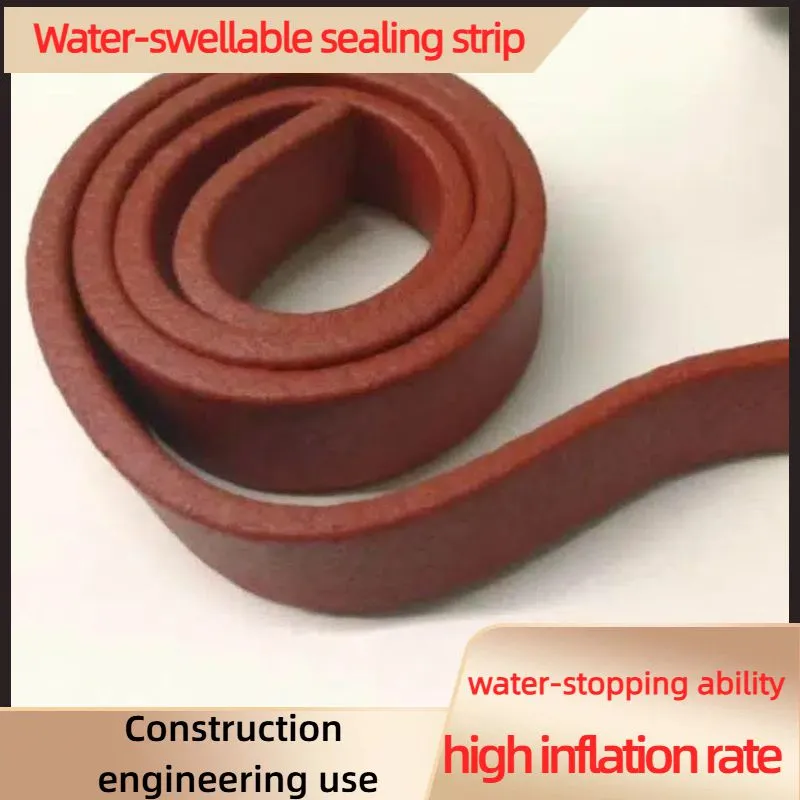
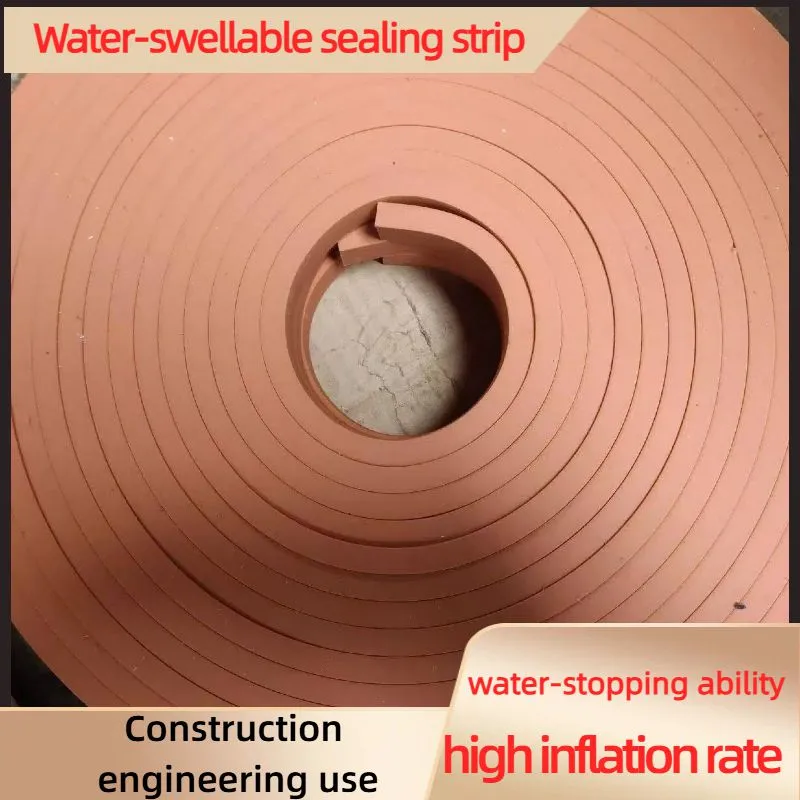
Hydrophilic water-swelling rubber water stop strip is an active intelligent waterproof material based on water-absorbing expansion principle. Modified hydrophilic polymer components are added into the rubber matrix. When the strip contacts water, it will absorb water and expand steadily, with the volume expansion multiple reaching 2-3 times of the original. Different from passive compression sealing, it actively fills irregular micro gaps, tiny cracks and structural voids that cannot be covered by ordinary elastic strips, realizing zero-gap sealing.
The biggest advantage of water-swelling strips is their strong tolerance to construction defects. They can make up for the waterproof loopholes caused by uneven joint base surface, incomplete concrete vibration and tiny construction cracks, and are especially suitable for humid underground environments and projects with frequent water seepage risks. It is the preferred material for basement wall joints, reservoir bottom joints, sewage tank internal joints and project leakage repair. It should be noted that water-swelling strips need to avoid long-term dry exposure before construction, so as to prevent premature failure of hydrophilic components and affect the later expansion and waterproof effect.
In actual engineering design, the two mechanism types can be used alone or in combination. For high-standard waterproof projects, the composite construction of elastic waterstop strip plus water-swelling strip can realize double-layer waterproof protection, perfectly coping with structural deformation and construction micro-defects, and completely eliminate joint water leakage risks.
Recently Posted
-
Structural Classification of Rubber Water Stop Strips: Design Features, Advantages and Applicable Joint Types
September 14, 2026Structural Classification of Rubber Water Stop Strips: Design Features, Advantages and Applicable Joint TypesAccording to internal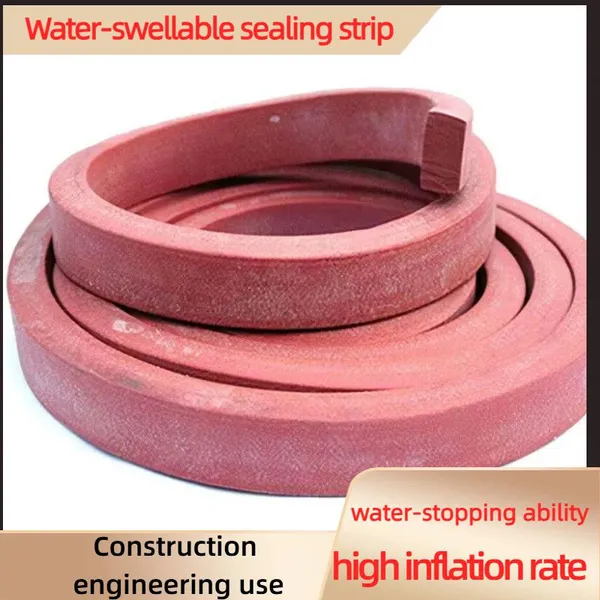 Read More
 -
Rubber Water Stop Strip Classification by Raw Material: Performance Differences and Engineering Application Matching
September 14, 2026Rubber water stop strips are diversified in raw material composition, and material classification is the most fundamental standard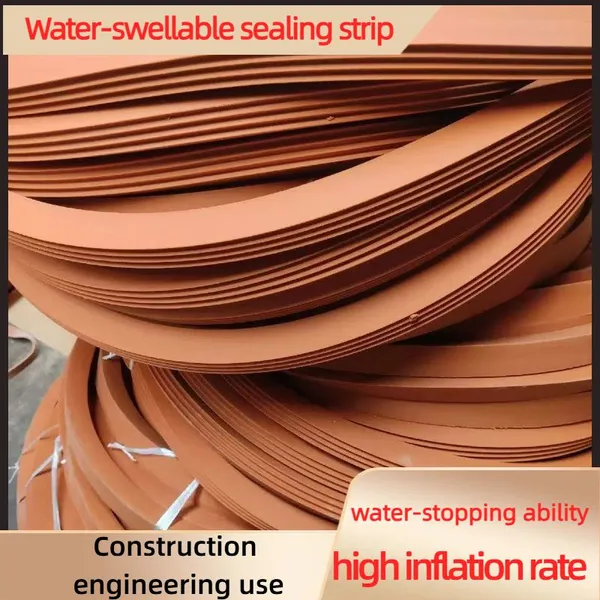 Read More
 -
Rubber Water Stop Strip Selection Guide: Core Performance Indicators for Engineering Projects
September 14, 2026The quality of rubber water stop strips directly determines the long-term waterproof effect of engineering projects. Many engineer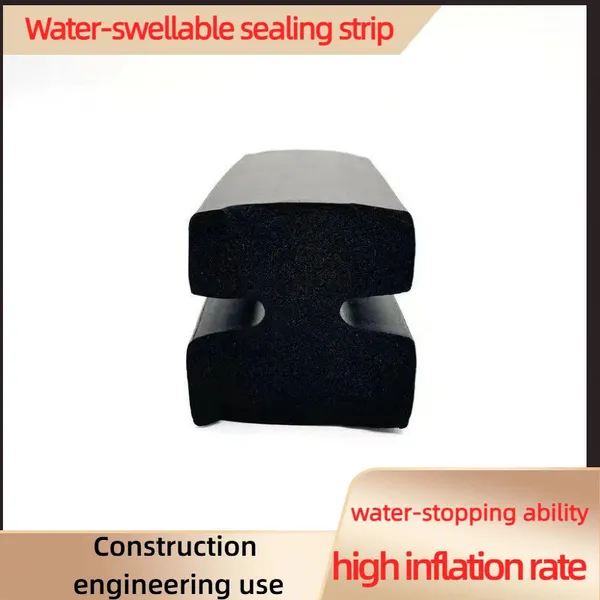 Read More
 -
Rubber Water Stop Strip Installation Guide: Standard Steps and Construction Precautions
September 14, 2026High-quality rubber water stop strips can only exert optimal waterproof effects with standardized installation and construction. I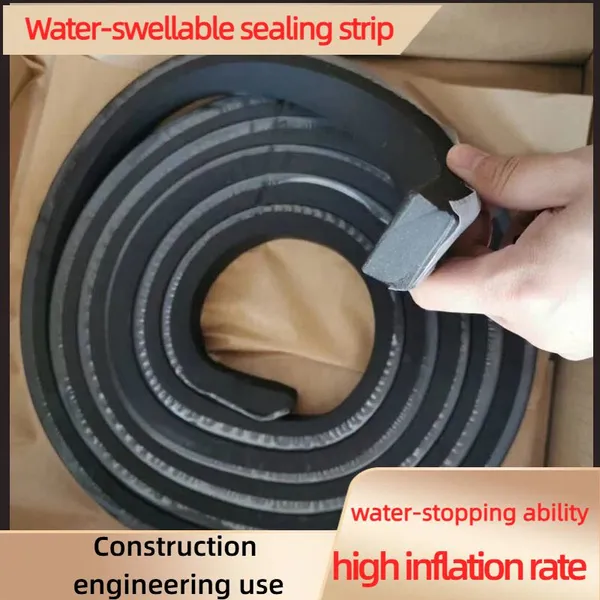 Read More

Contact Us
Recommended Products
-
 Custom Inflatable Rubber Dams – Dual Protection for Flood Control & Irrigation, Direct Factory SupplyUS$ 170 - 250MOQ: 20 Meters
 -
Inflatable Rubber Dams for River Regulation – Specialized for Ecological Landscape Water Storage, Customizable on DemandUS$ 170 - 250MOQ: 20 Meters
-
Lightweight Inflatable Rubber Dams – Fast Deployment, Ideal for Emergency Water ManagemenUS$ 170 - 250MOQ: 20 Meters
-
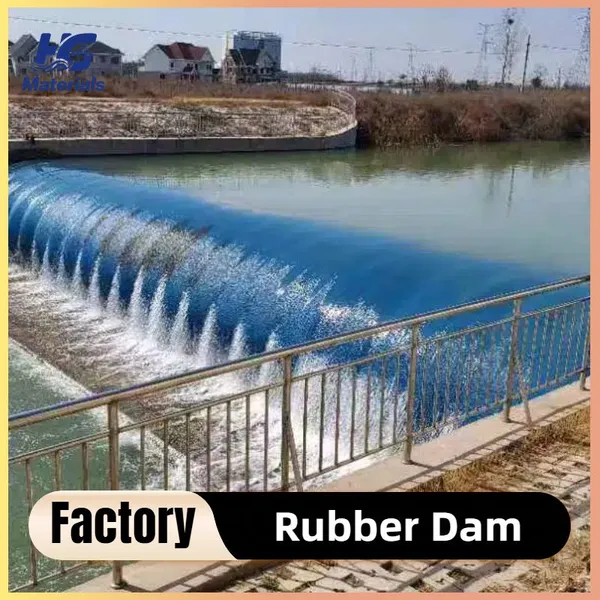
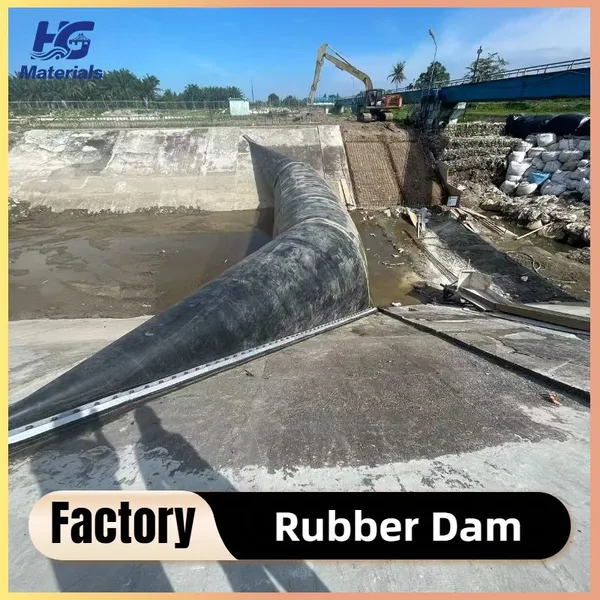
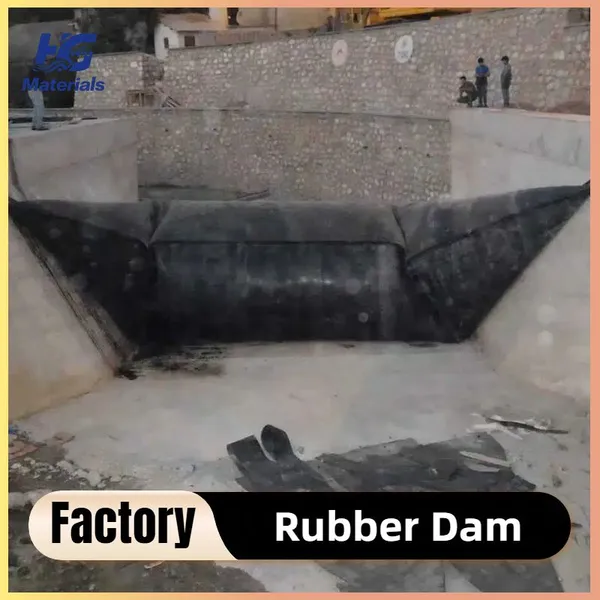
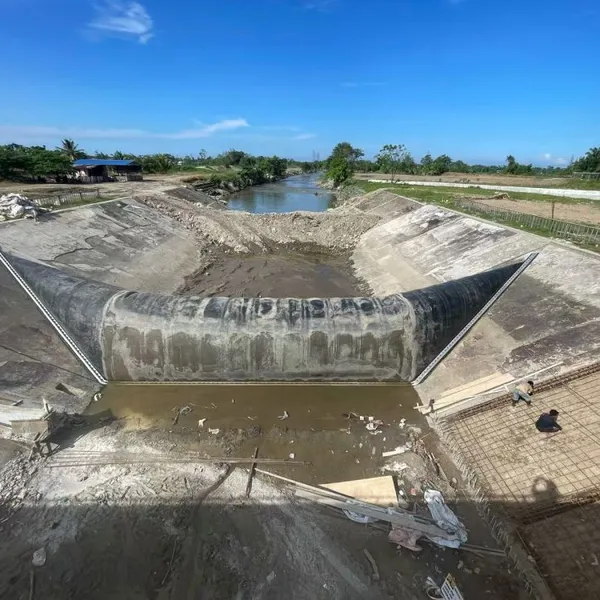
The Rubber Dam Built for Farmland Irrigation in Indonesia Can Store Water in a 25-meter-wide River.US$ 170 - 250MOQ: 20 Meters
-
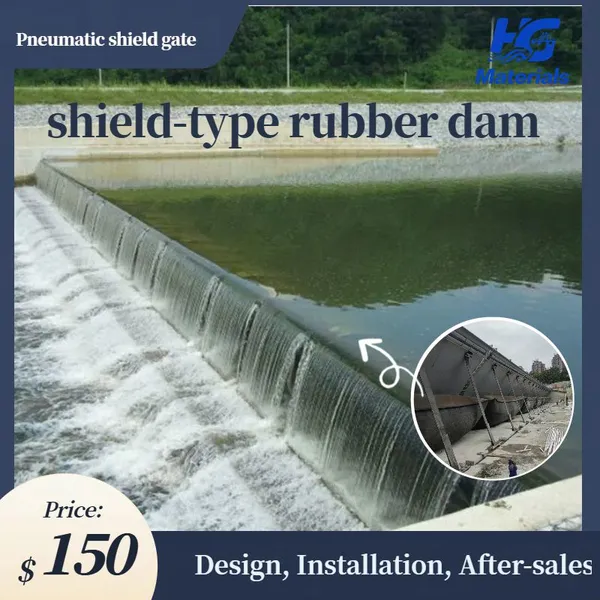
Pneumatic Shield Gate Shield-type Rubber Dam Air Shield Dam Spillway Gate Inflatable Rubber Dam Sold to Thailand, Malaysia, PhilippinesUS$ 1200 - 1500MOQ: 10 Square Meters
-
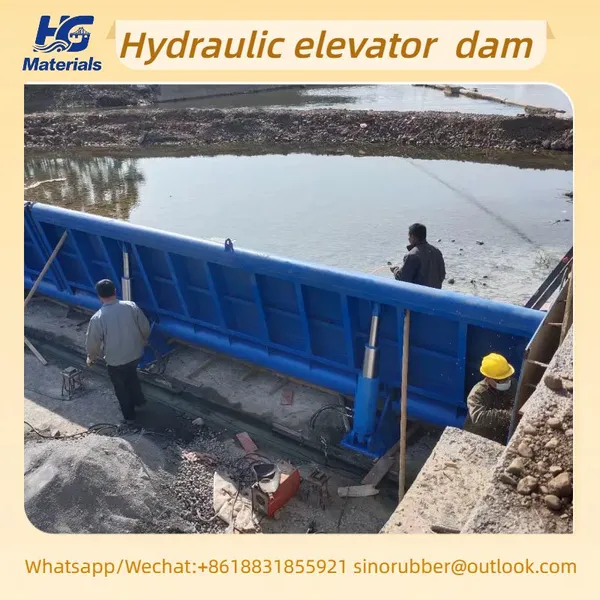
HG006 Hydraulic Elevator Dam Store Water Irrigate Landscape Flood Control Sluice Dam GateUS$ 300 - 350MOQ: 10 Square Meters
-
HG002 Cast Iron Sluice Gate, Farmland Irrigation and Drainage Gate, High-strength Wear-resistant Hydraulic Gate, Available in WholesaleUS$ 200 - 3000MOQ: 10 Combos
-
HG002manufacturer Specializes in Producing Custom-made Copper-inlaid Cast Iron Gates and Cast Iron Round GatesUS$ 200 - 3000MOQ: 10 Combos
-
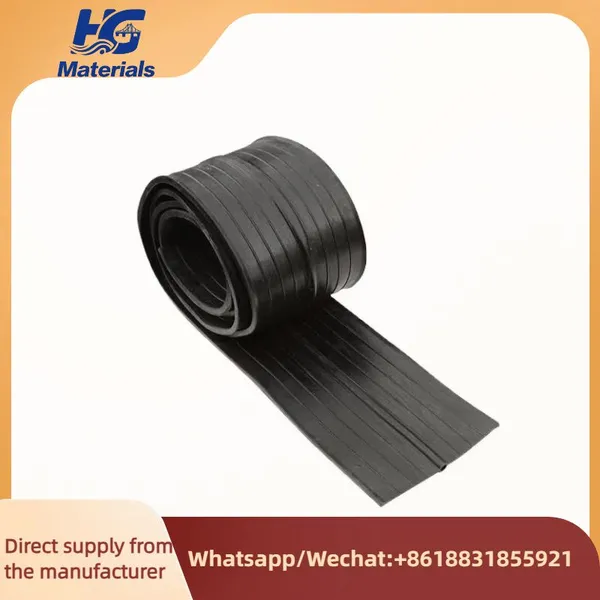
HG001 High Quality Rubber Pvc Water-stop Construction Concrete Joints Waterstops Rubber Water StopUS$ 4.8 - 5MOQ: 100 Meters
-
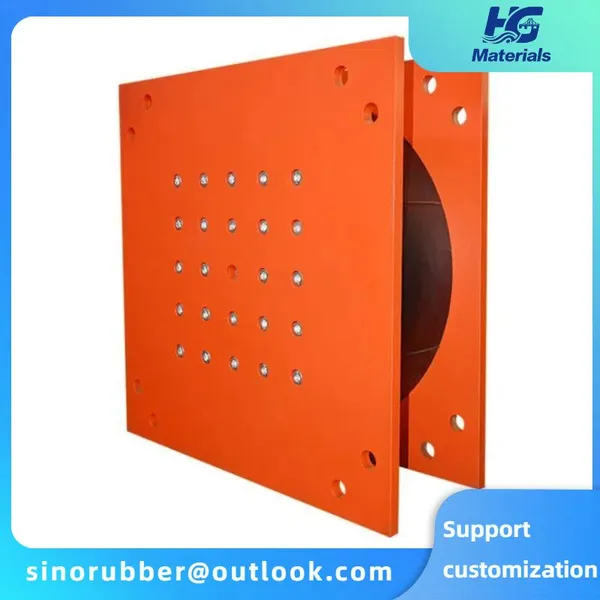
HG004 Elastomeric Laminated Neoprene Rubber Bridge Bearing Pad Nature Rubber Elastomeric Bearing PadUS$ 6.7 - 7MOQ: 10 Pieces
-
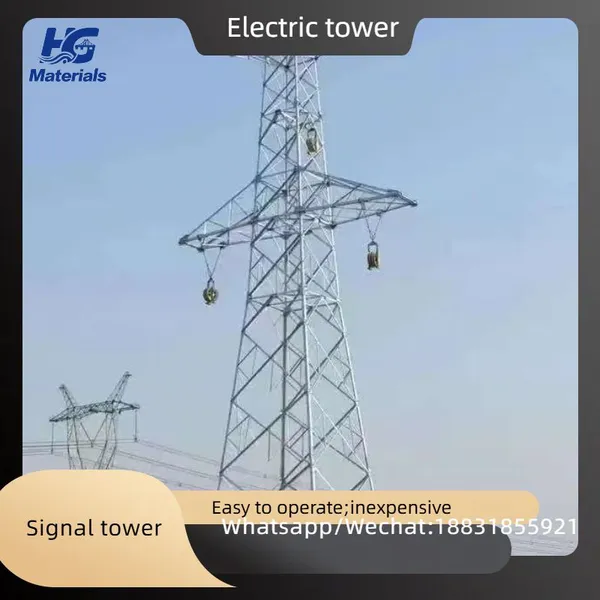
Iron Tower, Signal Tower, Power TowerUS$ 980 - 1000MOQ: 10 Metric Tons
-
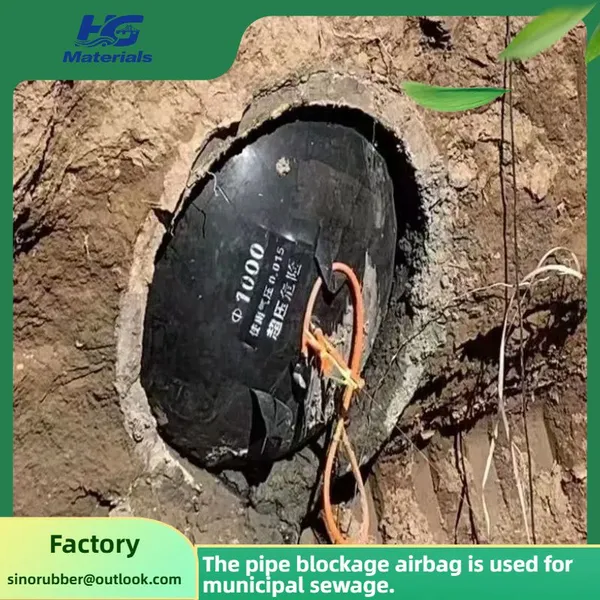
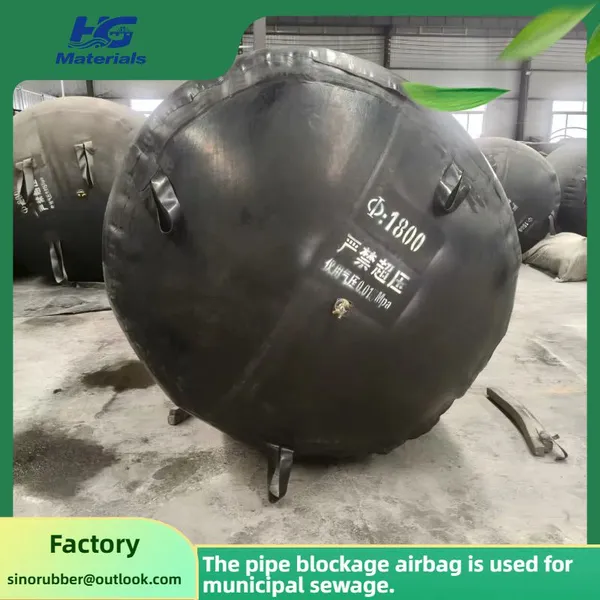
HG003 Customized Municipal Sewer Pipe Repair Pipe Blockage Diameter 800 Rubber Airbag Rubber Pipe Sealing AirbagUS$ 5 - 100MOQ: 10 Combos
-
Pipeline Blockage Water Balloon, Sewer Sewage Pipe Leak Sealing Rubber Balloon, Thickened Inflatable Pipeline BalloonUS$ 5 - 100MOQ: 10 Combos
-
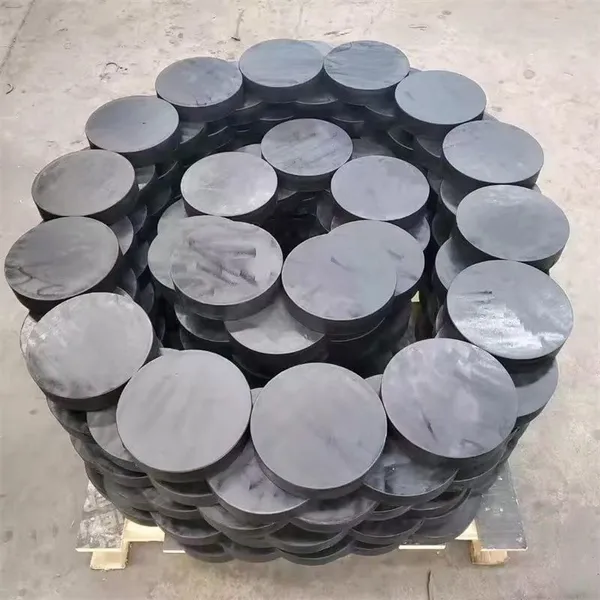
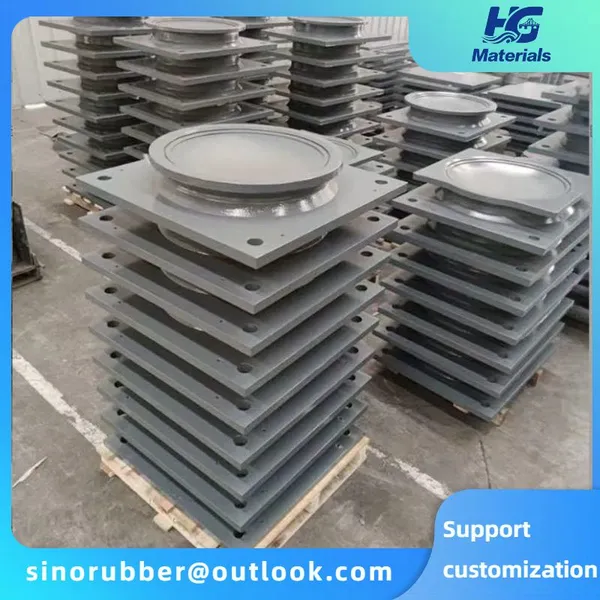
Bridge Rubber Bearings With Steel Reinforcement for Railway Use - Low Noise and Vibration Reduction PropertiesUS$ 6.7 - 7MOQ: 10 Pieces
-
HG004 Bridge Highway Rubber Bearings, Circular and Rectangular Bridge Construction PTFE Rubber Pad Bearings, Shock-absorbing PadsUS$ 6.7 - 7MOQ: 10 Pieces
-
Custom Inflatable Rubber Dams – Dual Protection for Flood Control & Irrigation, Direct From Source FactoryUS$ 170 - 250MOQ: 20 Meters
-
Hot Selling Galvanized 30 Corrugated Metal Pipe Cmp Culvert PipeUS$ 200 - 210MOQ: 100 Meters
-
Galvanized Corrugated Metal Pipe 20mm 3/4'' Armco Mp100 Steel Pipe Flexible Corrugated Tube Large DiameterUS$ 200 - 210MOQ: 100 Meters
-
Hesco Bastion Galvanized Barrier Welded Barriers for Bastion Sand Recover Geotextile BastionUS$ 6 - 7MOQ: 100 Cases
-
Customizable Culvert Pipe Oval Shaped Steel Road Cheap 36 Inch Corrugated Metal Pipe PriceUS$ 200 - 210MOQ: 100 Meters