
 Business License

Advantages of hydraulic elevator dams(HED)
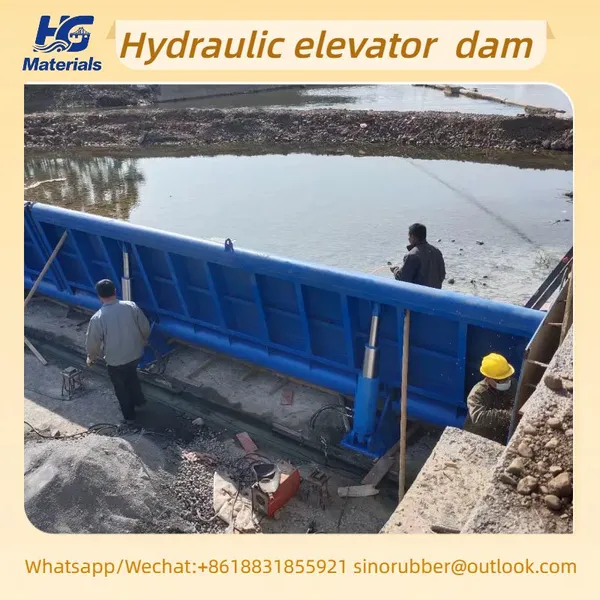
# Advantages of Hydraulic Elevator Dams (HED) Hydraulic Elevator Dams (HED) are advanced water-retaining structures that use hydraulic power to lift or lower rigid dam panels. Compared to traditional alternatives (e.g., rubber dams, concrete gravity dams), they offer unique strengths in energy efficiency, durability, ecology, and operational flexibility—aligning with modern water resource management demands. Below are their core advantages:
## 1. Exceptional Energy Efficiency & High Automation HED leverages **hydraulic energy from the river itself** (e.g., upstream water pressure) to operate, rather than relying on external electric or mechanical power. This design delivers two critical benefits: - **Minimal energy consumption**: Unlike mechanical lift dams that depend on large motors, HED uses little to no electricity during normal operation. This cuts long-term energy costs by 60–80% and reduces carbon footprints, supporting sustainability goals. - **Fully automatic operation**: Equipped with hydraulic sensors and smart control valves, HED adjusts dam height autonomously based on real-time water levels. For instance, it lowers panels within minutes to discharge floodwater or raises them to store water in dry seasons. This eliminates manual monitoring, speeds up response to sudden water changes, and slashes labor requirements.
## 2. Robust Structure & Strong Environmental Resistance HED’s dam panels are typically made of reinforced steel or precast, corrosion-resistant concrete—outperforming flexible structures (e.g., rubber dams) in harsh conditions: - **Anti-scouring & anti-collision**: Rigid panels resist erosion from sediment-laden water (common in silt-rich rivers) and damage from floating debris (logs, ice blocks). Unlike rubber dams, they rarely tear, puncture, or deform under impact. - **Extreme weather tolerance**: Materials like galvanized steel or weatherproof concrete withstand temperature extremes (-35℃ to 55℃) and intense UV radiation. They remain stable in arid deserts, cold plateaus, or coastal areas with high humidity. - **Long lifespan**: With durable components and minimal wear, HED has a design life of 35–50 years—far longer than rubber dams (15–20 years) and requiring fewer major overhauls.
## 3. Eco-Friendly Design & Aquatic Ecosystem Protection HED addresses a key limitation of traditional rigid dams by minimizing ecological disruption: - **Unobstructed natural flow when lowered**: Fully lowered panels lie flush with the riverbed, restoring the original channel. This enables unimpeded fish migration (critical for species like salmon or sturgeon) and normal sediment transport, preventing downstream silt buildup. - **Controllable ecological flow**: HED maintains a minimum downstream flow even during water storage (e.g., for irrigation or power generation). This ensures sufficient water for aquatic plants, wildlife, and downstream communities—avoiding the "dry riverbed" issue of conventional dams. - **Low construction impact**: HED requires smaller foundations and less excavation than large concrete dams. It disrupts riverbanks and surrounding habitats far less during installation, protecting local flora and fauna.
## 4. Low Maintenance Costs & Easy Repairs HED’s simple structure and fewer vulnerable parts reduce long-term upkeep burdens: - **Minimal routine maintenance**: Unlike rubber dams (which need frequent checks for cracks, seam resealing, or rubber replacement), HED only requires periodic tasks—such as lubricating hydraulic cylinders or inspecting valve seals. Annual maintenance costs are 30–50% lower than rubber dams. - **Localized repair capability**: If one dam panel or hydraulic unit fails, it can be repaired or replaced independently without shutting down the entire dam. This contrasts with rubber dams, where a single tear may require full deflation and extensive downtime.
## 5. Strong Adaptability to Diverse Scenarios HED’s modular design and customizable features make it suitable for varied river conditions and functional needs: - **Flexible sizing**: Dam panels (2–6 meters per unit) can be combined to fit rivers of all widths—from small tributaries (10–30 meters) to large mainstreams (100+ meters). - **Multi-functional integration**: HED easily pairs with other systems, such as small hydropower turbines (to generate electricity during water release), fish ladders (to enhance migration), or irrigation channels (to direct stored water). - **Compatibility with complex terrains**: It performs well in rivers with uneven beds, gentle slopes, or high sediment content—conditions that often challenge rubber dams (prone to uneven inflation) or concrete dams (high foundation costs).
## 6. Reliable Flood Control Performance HED excels in flood management, a critical requirement for river engineering: - **Rapid flood discharge**: Hydraulic systems enable dam panels to lower in 5–12 minutes (depending on size)—much faster than mechanical dams (30+ minutes) or rubber dams (which may leak or deflate slowly). This minimizes upstream flooding risks during heavy rains. - **Overpressure resistance**: Rigid panels and pressure-limiting valves prevent structural damage from sudden water surges. Unlike rubber dams, HED does not "burst" under excessive pressure, ensuring safety during extreme floods.
## Summary Hydraulic Elevator Dams (HED) stand out for their energy efficiency, durability, ecological compatibility, and low maintenance. They balance human needs (flood control, water storage, power generation) with environmental protection—making them ideal for modern water conservancy projects, especially in ecologically sensitive or resource-constrained regions.
Recently Posted
-
Cost-Effectiveness and Long-Term Operation Value of Air Shield Dam Water Conservancy Facility
August 16, 2026For water conservancy investors and engineering contractors, air shield dams have obvious economic advantages in long-term project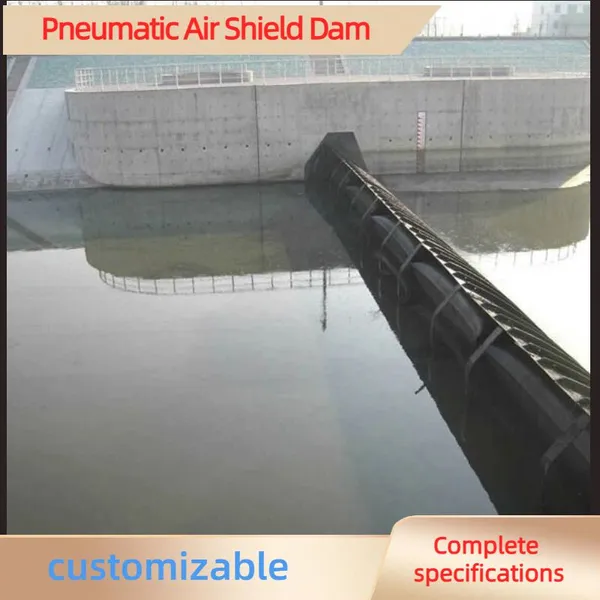 Read More
 -
Flood Control Performance and Safety Features of Modern Air Shield Dam
August 16, 2026Flood prevention and drainage are the core functions of river hydraulic facilities, and air shield dams show outstanding safety an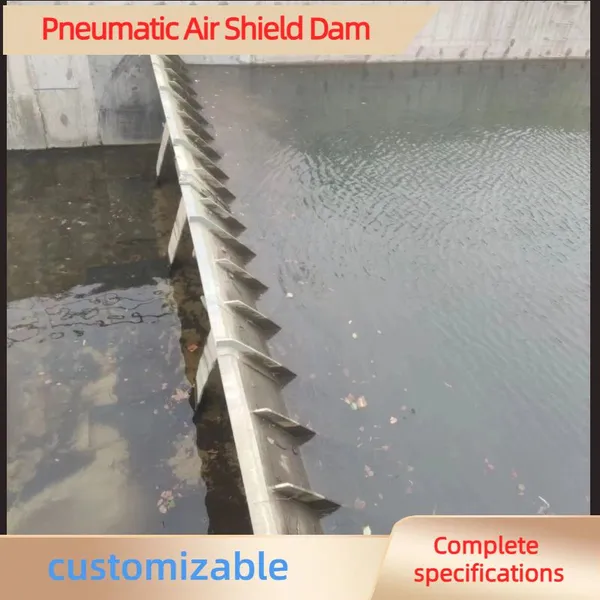 Read More
 -
How Air Shield Dam Improves River Ecological Environment and Protects Aquatic Ecology
August 16, 2026Traditional water retaining dams often block river migration channels and destroy the original ecological balance of water bodies.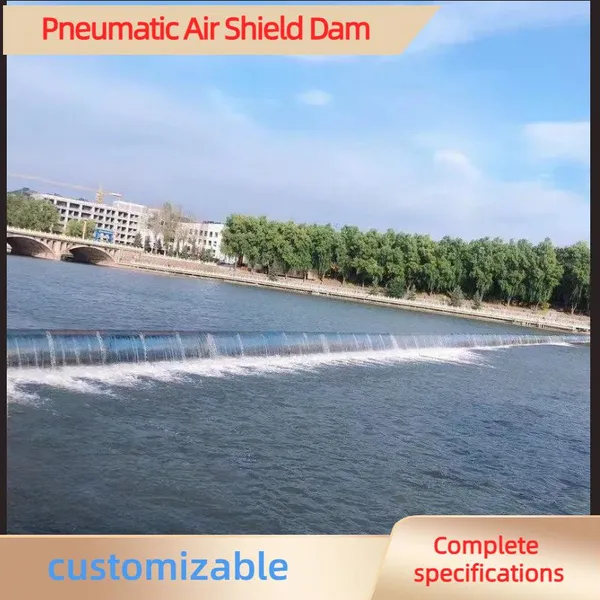 Read More
 -
Advantages of Pneumatic Air Shield Dam in Urban Landscape River Projects
August 16, 2026Urban landscape rivers require both practical water regulation functions and beautiful waterscape effects, and air shield dams per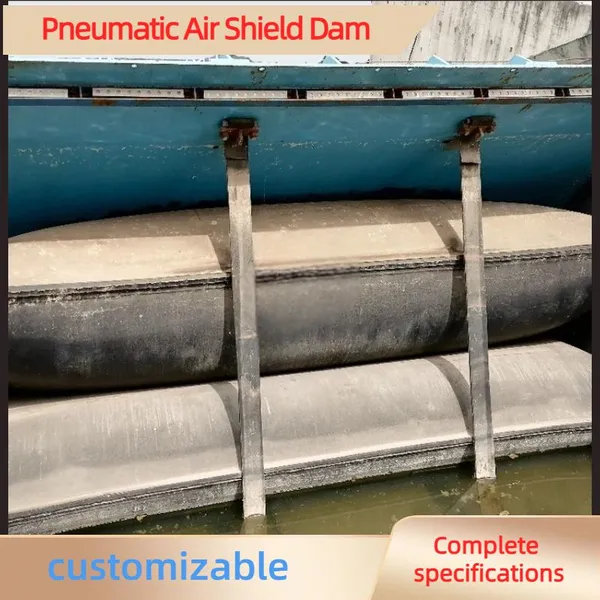 Read More

Contact Us
Recommended Products
-
 Custom Inflatable Rubber Dams – Dual Protection for Flood Control & Irrigation, Direct Factory SupplyUS$ 170 - 250MOQ: 20 Meters
 -
Inflatable Rubber Dams for River Regulation – Specialized for Ecological Landscape Water Storage, Customizable on DemandUS$ 170 - 250MOQ: 20 Meters
-
Lightweight Inflatable Rubber Dams – Fast Deployment, Ideal for Emergency Water ManagemenUS$ 170 - 250MOQ: 20 Meters
-
The Rubber Dam Built for Farmland Irrigation in Indonesia Can Store Water in a 25-meter-wide River.US$ 170 - 250MOQ: 20 Meters
-
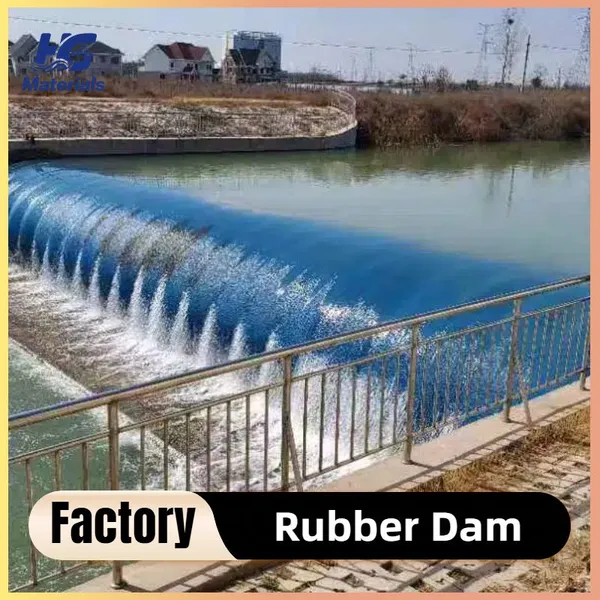
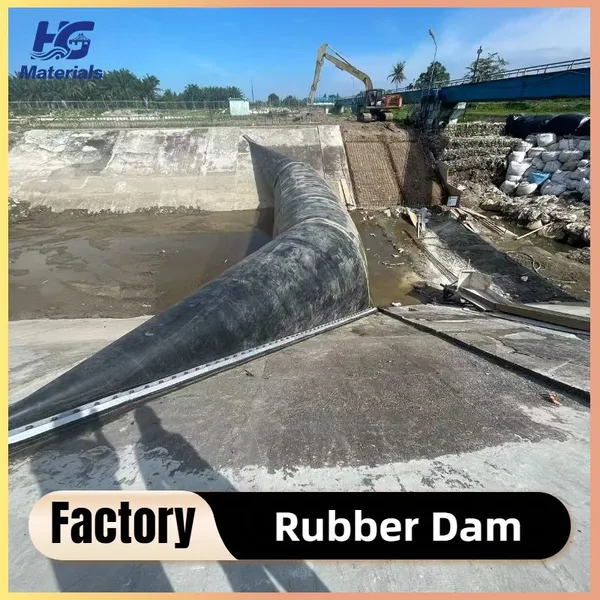
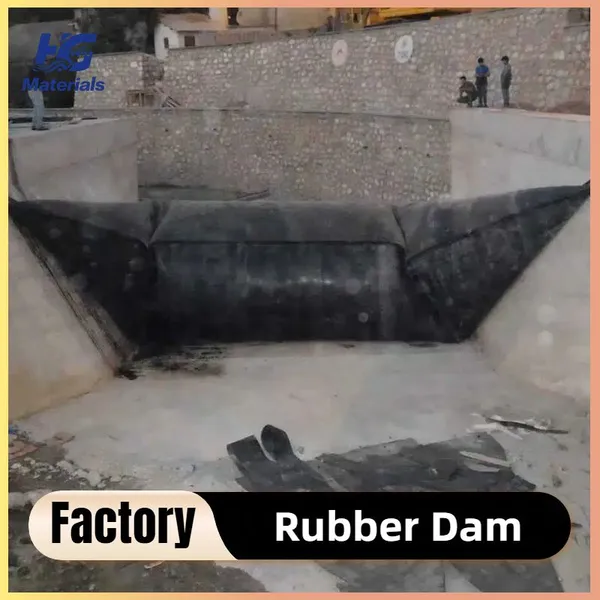
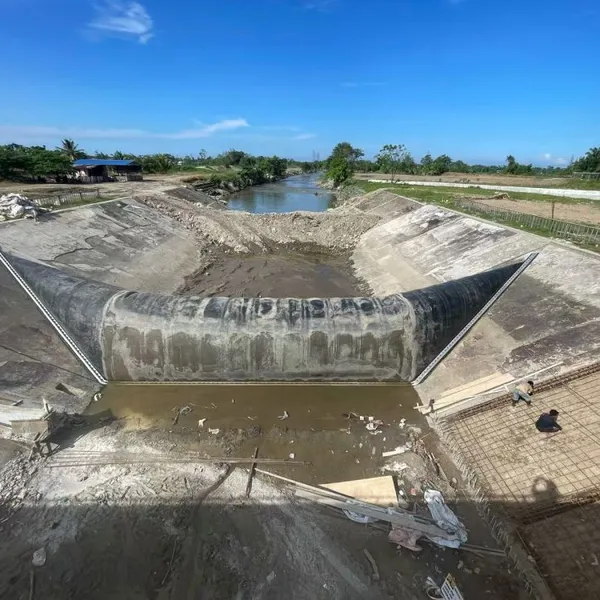
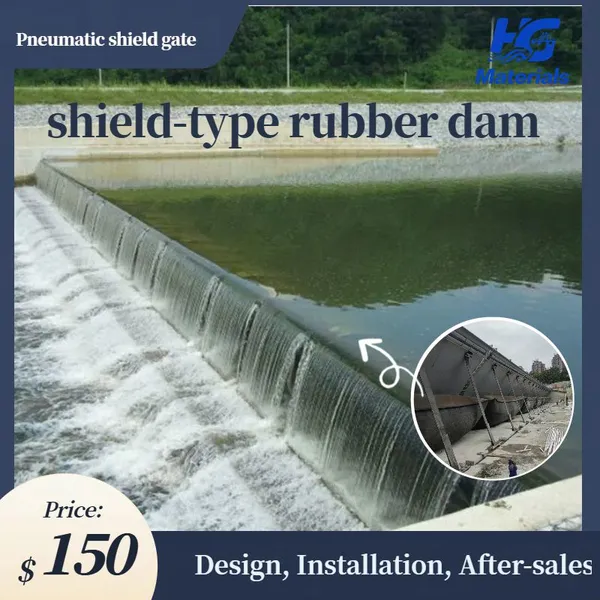
Pneumatic Shield Gate Shield-type Rubber Dam Air Shield Dam Spillway Gate Inflatable Rubber Dam Sold to Thailand, Malaysia, PhilippinesUS$ 1200 - 1500MOQ: 10 Square Meters
-
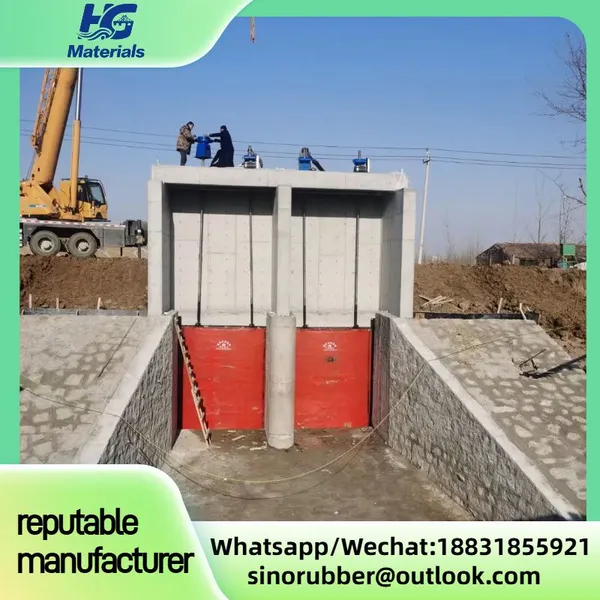
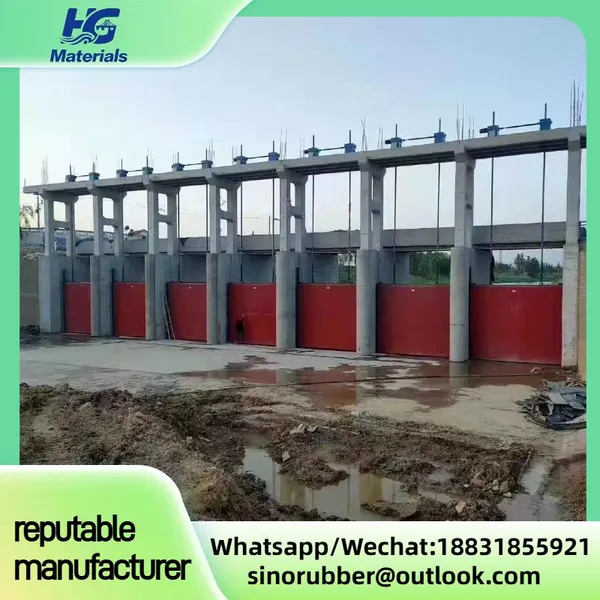
HG006 Hydraulic Elevator Dam Store Water Irrigate Landscape Flood Control Sluice Dam GateUS$ 300 - 350MOQ: 10 Square Meters
-
HG002 Cast Iron Sluice Gate, Farmland Irrigation and Drainage Gate, High-strength Wear-resistant Hydraulic Gate, Available in WholesaleUS$ 200 - 3000MOQ: 10 Combos
-
HG002manufacturer Specializes in Producing Custom-made Copper-inlaid Cast Iron Gates and Cast Iron Round GatesUS$ 200 - 3000MOQ: 10 Combos
-
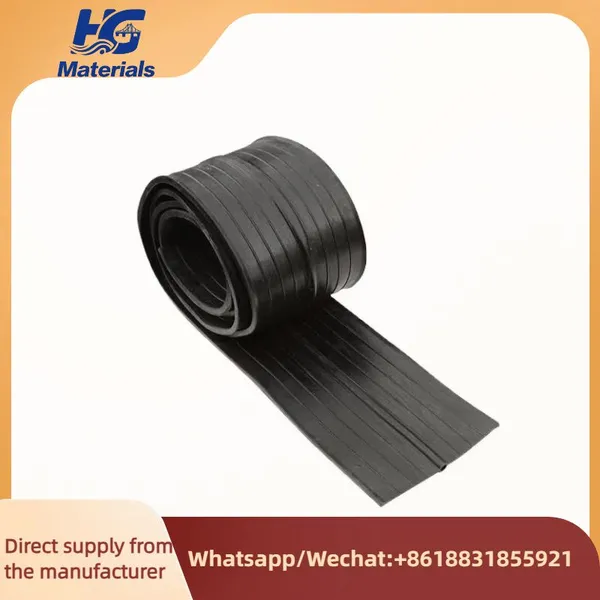
HG001 High Quality Rubber Pvc Water-stop Construction Concrete Joints Waterstops Rubber Water StopUS$ 4.8 - 5MOQ: 100 Meters
-
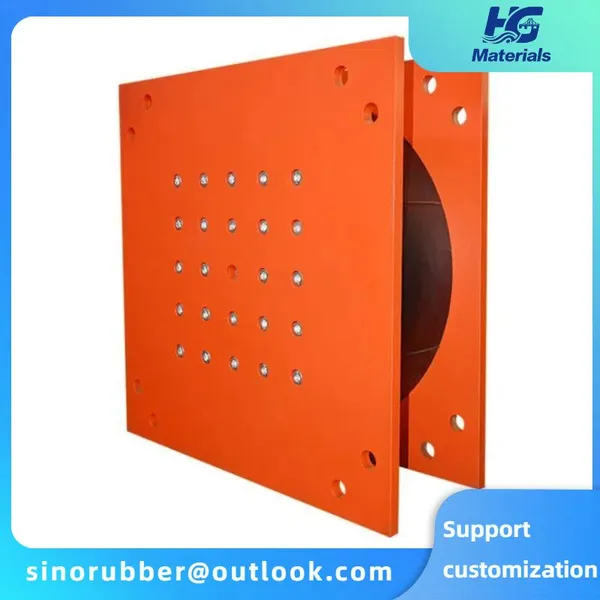
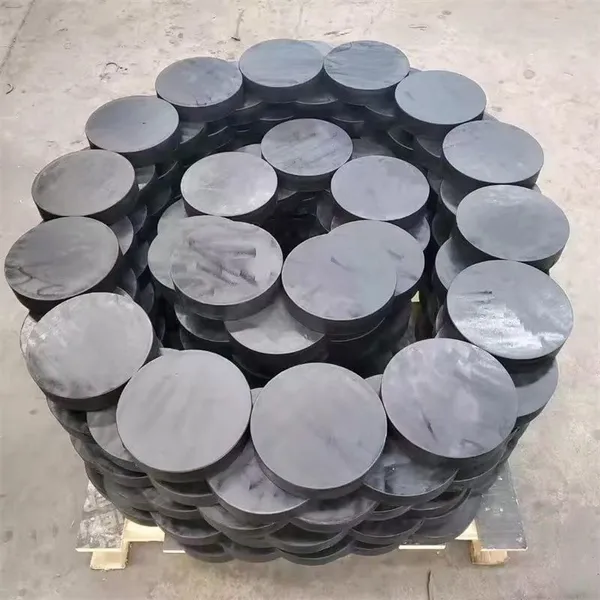
HG004 Elastomeric Laminated Neoprene Rubber Bridge Bearing Pad Nature Rubber Elastomeric Bearing PadUS$ 6.7 - 7MOQ: 10 Pieces
-
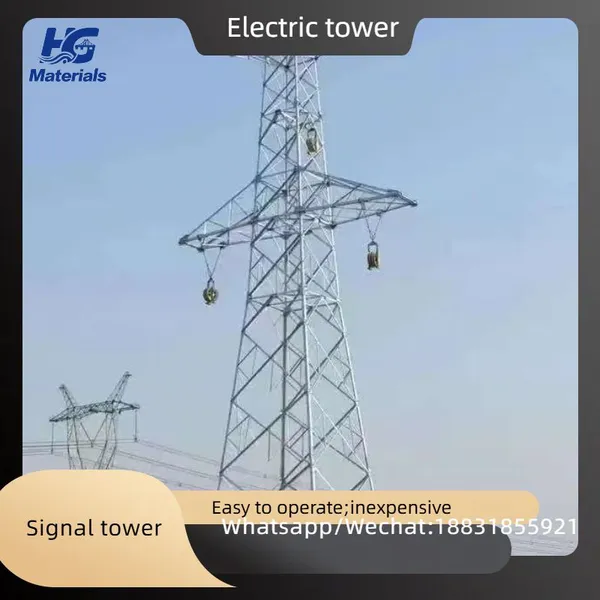
Iron Tower, Signal Tower, Power TowerUS$ 980 - 1000MOQ: 10 Metric Tons
-
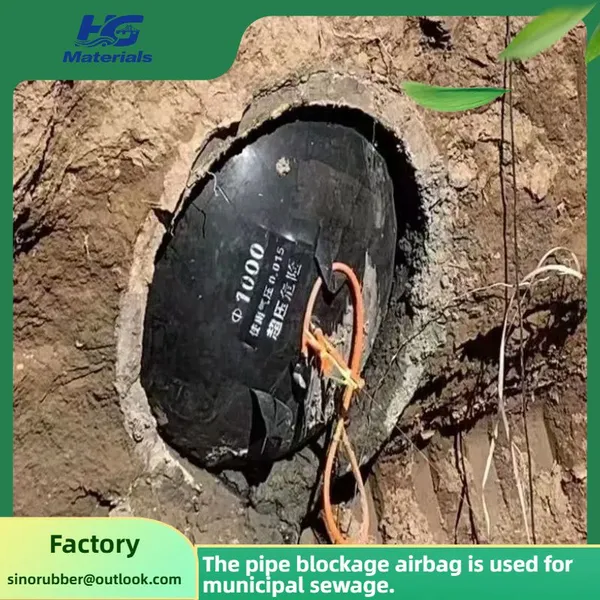
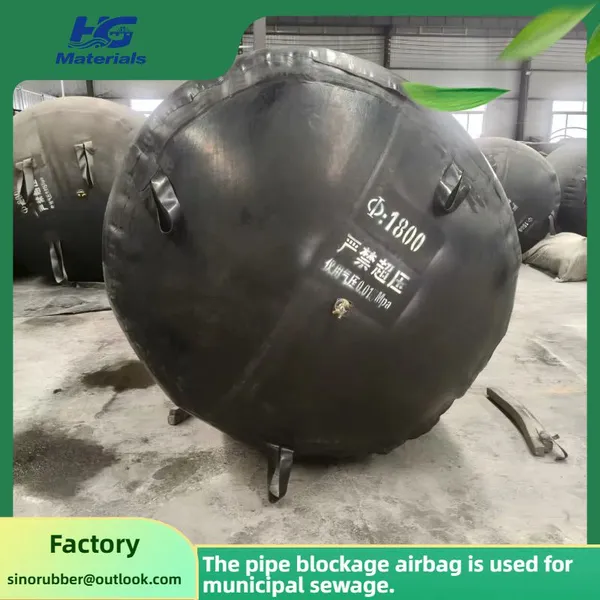
HG003 Customized Municipal Sewer Pipe Repair Pipe Blockage Diameter 800 Rubber Airbag Rubber Pipe Sealing AirbagUS$ 5 - 100MOQ: 10 Combos
-
Pipeline Blockage Water Balloon, Sewer Sewage Pipe Leak Sealing Rubber Balloon, Thickened Inflatable Pipeline BalloonUS$ 5 - 100MOQ: 10 Combos
-
Bridge Rubber Bearings With Steel Reinforcement for Railway Use - Low Noise and Vibration Reduction PropertiesUS$ 6.7 - 7MOQ: 10 Pieces
-
HG004 Bridge Highway Rubber Bearings, Circular and Rectangular Bridge Construction PTFE Rubber Pad Bearings, Shock-absorbing PadsUS$ 6.7 - 7MOQ: 10 Pieces
-
Custom Inflatable Rubber Dams – Dual Protection for Flood Control & Irrigation, Direct From Source FactoryUS$ 170 - 250MOQ: 20 Meters
-
Hot Selling Galvanized 30 Corrugated Metal Pipe Cmp Culvert PipeUS$ 200 - 210MOQ: 100 Meters
-
Galvanized Corrugated Metal Pipe 20mm 3/4'' Armco Mp100 Steel Pipe Flexible Corrugated Tube Large DiameterUS$ 200 - 210MOQ: 100 Meters
-
Hesco Bastion Galvanized Barrier Welded Barriers for Bastion Sand Recover Geotextile BastionUS$ 6 - 7MOQ: 100 Cases
-
Customizable Culvert Pipe Oval Shaped Steel Road Cheap 36 Inch Corrugated Metal Pipe PriceUS$ 200 - 210MOQ: 100 Meters