
 Business License

The applications of rubber dams in different scenarios
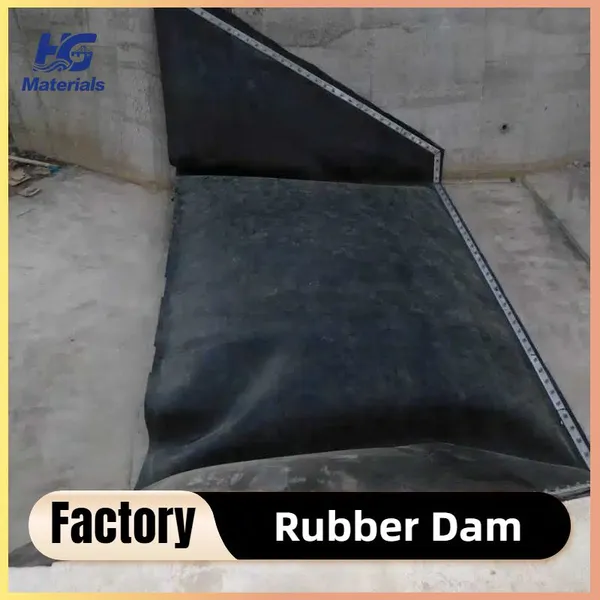
# Application Scenarios and Uses of Rubber Dams Rubber dams are flexible hydraulic structures composed of reinforced rubber materials (e.g., neoprene, EPDM) combined with high-strength fiber layers. Unlike rigid concrete or masonry dams, they can be inflated with air or filled with water to form water-retaining barriers, and quickly deflated/collapsed to restore natural water flow. This flexibility makes them suitable for a wide range of water management and engineering needs. ## 1. Main Application Scenarios ### 1.1 Water Conservancy & Hydraulic Engineering - **River Channel Improvement**: Installed in natural rivers or artificial channels to stabilize water levels, prevent riverbed erosion, and maintain consistent flow conditions. They help protect riparian ecosystems by avoiding sudden changes in water depth. - **Reservoir Auxiliary Systems**: Used as supplementary structures for small reservoirs or ponds. During dry seasons, they are inflated/filled to expand water storage capacity; during maintenance, they isolate specific reservoir sections to create dry work areas. - **Underground Pipeline Construction**: Deployed in urban drainage or water supply pipelines. By retaining water upstream of construction zones, they enable dry conditions for pipeline repair, replacement, or extension. ### 1.2 Agricultural Irrigation - **Irrigation Canal Regulation**: Placed in irrigation networks to raise water levels in canals. This ensures sufficient water pressure to deliver water to farmland, especially in hilly regions where terrain causes natural water level drops. - **Paddy Field Water Maintenance**: Used in low-lying paddy fields to form small water-retaining zones. They reduce water evaporation and maintain steady moisture levels, critical for rice and other water-dependent crops. ### 1.3 Municipal & Landscape Projects - **Urban Water Body Management**: Applied in man-made lakes, landscape ponds, or wetland parks. They control water levels to preserve aesthetic appeal (e.g., maintaining a constant water surface for boating or fishing) and enhance urban hydrophilic spaces. - **Waterfront Development**: Installed along urban riverfronts or lakefront promenades. They create gentle water edges, prevent sudden water level fluctuations, and support recreational activities like walking or outdoor events. ### 1.4 Flood Control & Emergency Response - **Flood Storage & Diversion**: Deployed in flood-prone areas (e.g., downstream river sections, urban fringes). During heavy rains, they temporarily store floodwater to reduce urban waterlogging; after floods, they are deflated to drain stored water. - **Emergency Water Blocking**: Used as temporary barriers for pipeline leaks, dyke breaches, or water pollution incidents. They can be rapidly installed to isolate contaminated water or prevent further water intrusion into affected areas. ### 1.5 Small-Scale Hydropower & Navigation - **Mini Hydropower Stations**: Utilized in small hydropower projects (capacity <10 MW) to raise upstream water levels. This increases the water head (height difference) needed to drive turbines, improving power generation efficiency. - **Inland Waterway Support**: Installed in narrow inland waterways or small harbors. They maintain a stable water depth, ensuring safe passage for small vessels (e.g., fishing boats, light cargo barges) that require minimum draft. ## 2. Core Uses ### 2.1 Water Level Adjustment - Raise or lower upstream water levels on demand: Inflate/fill the dam for irrigation, water supply, or landscape needs; deflate it to restore natural flow during floods or when water storage is unnecessary. - Stabilize water levels in variable conditions (e.g., seasonal rainfall changes), avoiding extreme highs (which cause flooding) or lows (which lead to drought). ### 2.2 Flow Control - Regulate downstream water flow rate by adjusting the dam’s height. This protects downstream infrastructure, farmland, and ecosystems from excessive or insufficient flow. - Divert water to specific channels (e.g., directing river water to irrigation canals or municipal water intake points) to optimize water resource allocation. ### 2.3 Water Storage & Supply - Store water during wet seasons or high-flow periods, creating reserves for dry seasons. This supports agricultural irrigation, municipal water supply, and industrial water use. - Recharge groundwater: Slow down surface water flow to allow more water infiltration into the ground, addressing groundwater depletion in arid or semi-arid regions. ### 2.4 Flood Mitigation - Act as temporary flood barriers: Deflate the dam during heavy rains to maximize river discharge capacity, reducing upstream flooding and urban waterlogging risks. - Enhance dyke/levee protection: Installed alongside existing dykes, they provide additional height to prevent overflow during extreme flood events. ### 2.5 Ecological Protection - Maintain stable aquatic environments: Steady water levels and flow rates prevent sudden changes in water temperature or oxygen levels, protecting fish, aquatic plants, and other organisms. - Reduce riverbed erosion: Control flow velocity to minimize sediment scouring of riverbeds and banks, preserving natural river morphology and reducing downstream sedimentation. ## Summary Rubber dams excel in balancing flexibility, cost-effectiveness, and environmental friendliness. Their ability to switch between water-retaining and flow-restoring states makes them indispensable for daily water management (irrigation, landscape) and emergency response (floods, repairs), supporting sustainable water resource use across diverse sectors. Would you like me to provide a **comparative table** between rubber dams and concrete dams (e.g., cost, installation time, environmental impact) to further illustrate their advantages in these scenarios?
Recently Posted
-
Cost-Effectiveness and Long-Term Operation Value of Air Shield Dam Water Conservancy Facility
August 16, 2026For water conservancy investors and engineering contractors, air shield dams have obvious economic advantages in long-term project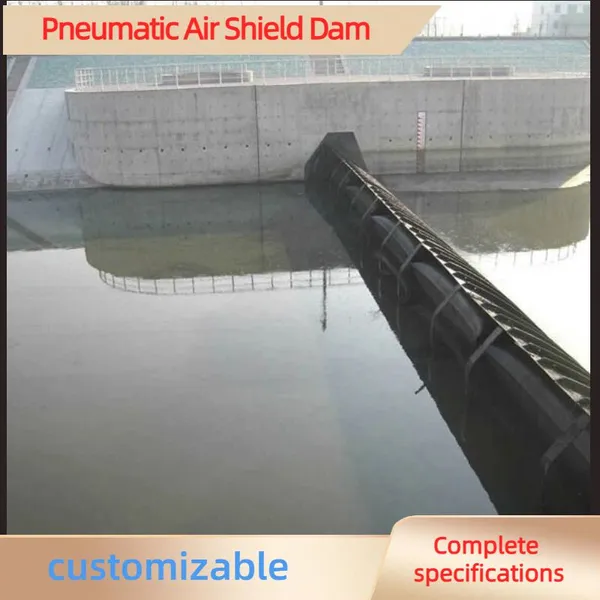 Read More
 -
Flood Control Performance and Safety Features of Modern Air Shield Dam
August 16, 2026Flood prevention and drainage are the core functions of river hydraulic facilities, and air shield dams show outstanding safety an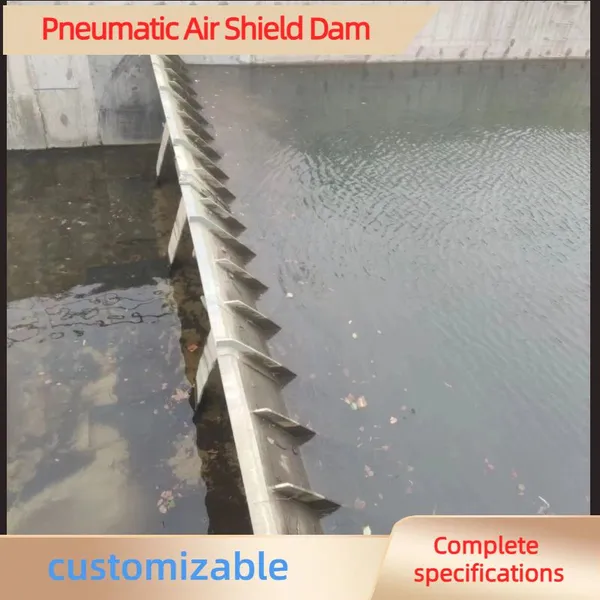 Read More
 -
How Air Shield Dam Improves River Ecological Environment and Protects Aquatic Ecology
August 16, 2026Traditional water retaining dams often block river migration channels and destroy the original ecological balance of water bodies.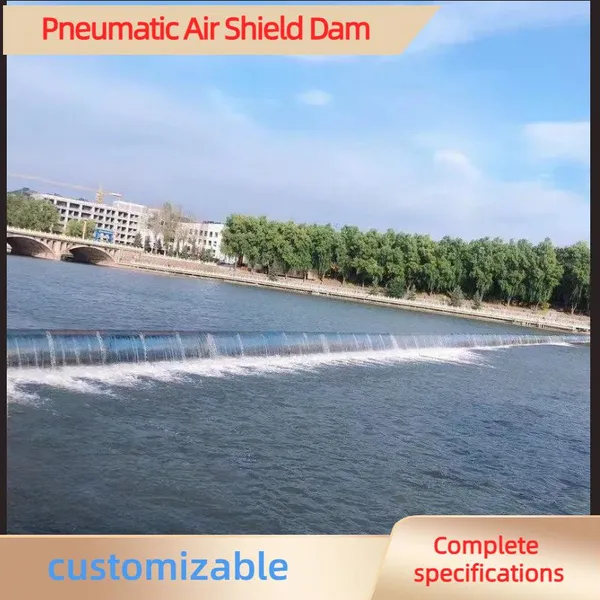 Read More
 -
Advantages of Pneumatic Air Shield Dam in Urban Landscape River Projects
August 16, 2026Urban landscape rivers require both practical water regulation functions and beautiful waterscape effects, and air shield dams per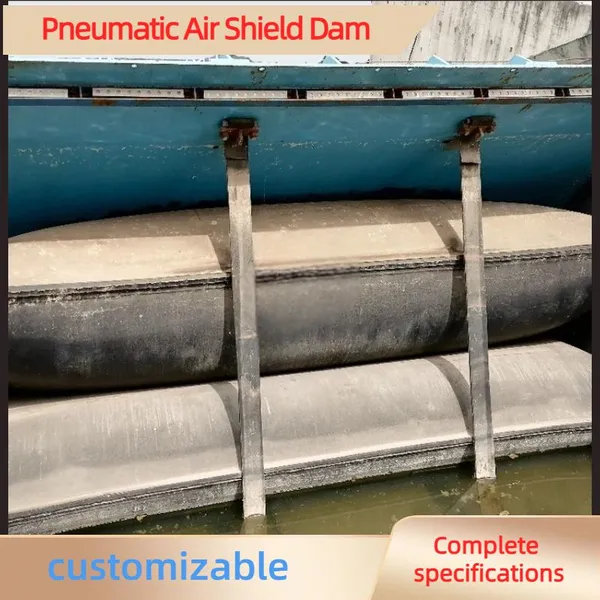 Read More

Contact Us
Recommended Products
-
 Custom Inflatable Rubber Dams – Dual Protection for Flood Control & Irrigation, Direct Factory SupplyUS$ 170 - 250MOQ: 20 Meters
 -
Inflatable Rubber Dams for River Regulation – Specialized for Ecological Landscape Water Storage, Customizable on DemandUS$ 170 - 250MOQ: 20 Meters
-
Lightweight Inflatable Rubber Dams – Fast Deployment, Ideal for Emergency Water ManagemenUS$ 170 - 250MOQ: 20 Meters
-
The Rubber Dam Built for Farmland Irrigation in Indonesia Can Store Water in a 25-meter-wide River.US$ 170 - 250MOQ: 20 Meters
-
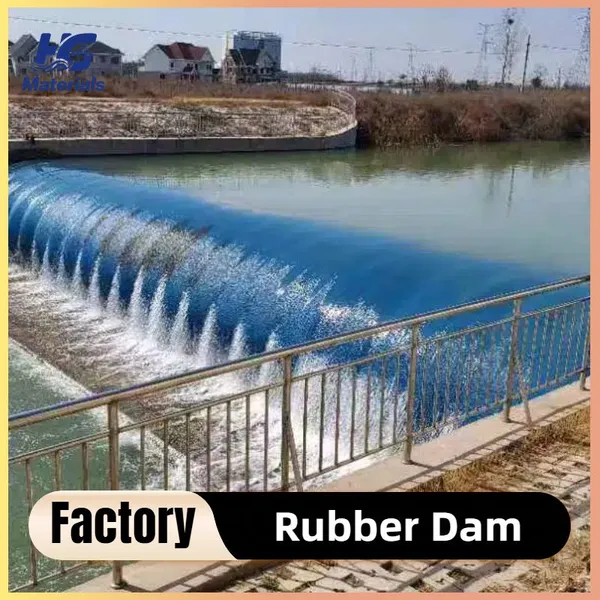
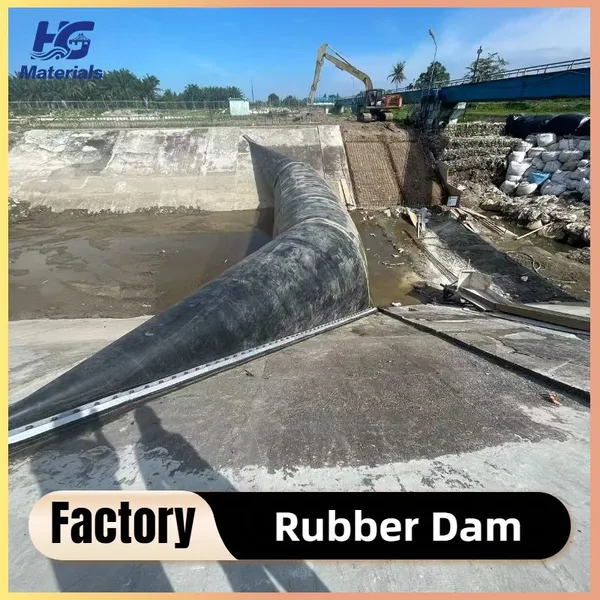
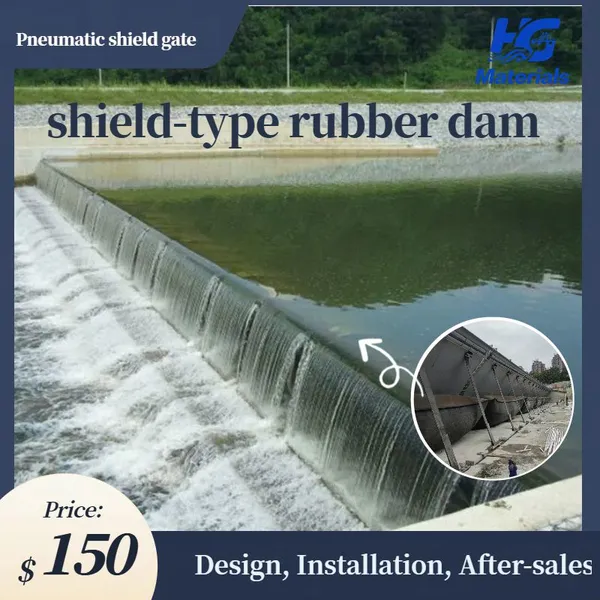
Pneumatic Shield Gate Shield-type Rubber Dam Air Shield Dam Spillway Gate Inflatable Rubber Dam Sold to Thailand, Malaysia, PhilippinesUS$ 1200 - 1500MOQ: 10 Square Meters
-
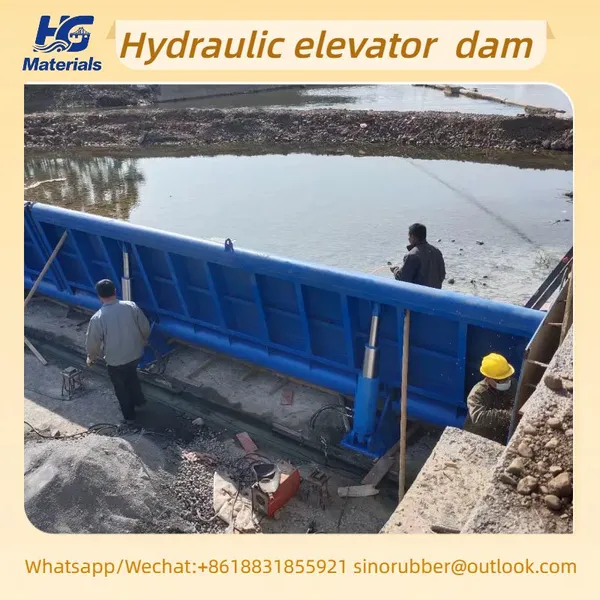
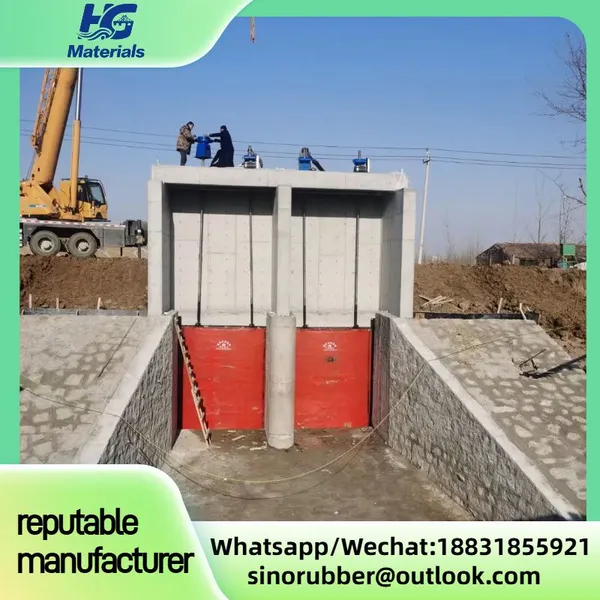
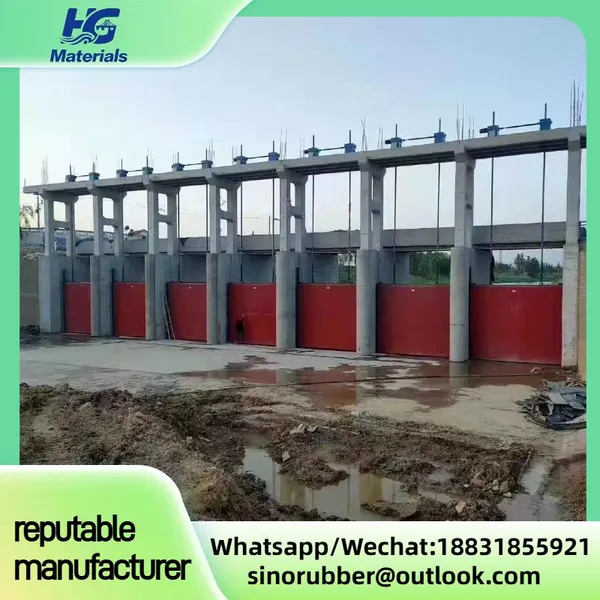
HG006 Hydraulic Elevator Dam Store Water Irrigate Landscape Flood Control Sluice Dam GateUS$ 300 - 350MOQ: 10 Square Meters
-
HG002 Cast Iron Sluice Gate, Farmland Irrigation and Drainage Gate, High-strength Wear-resistant Hydraulic Gate, Available in WholesaleUS$ 200 - 3000MOQ: 10 Combos
-
HG002manufacturer Specializes in Producing Custom-made Copper-inlaid Cast Iron Gates and Cast Iron Round GatesUS$ 200 - 3000MOQ: 10 Combos
-
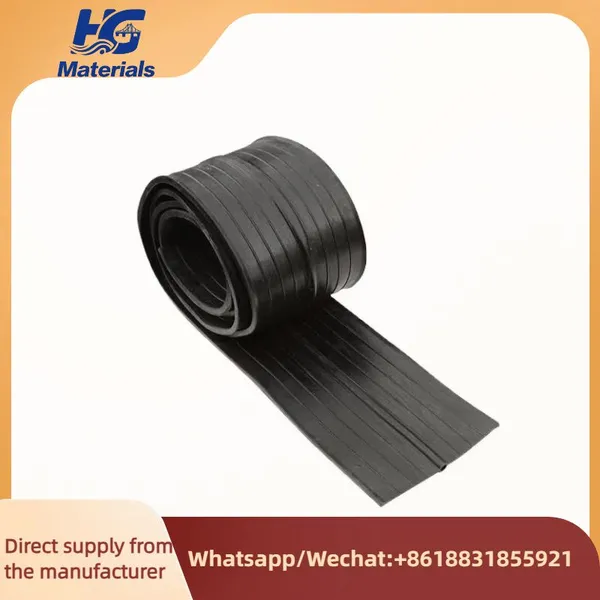
HG001 High Quality Rubber Pvc Water-stop Construction Concrete Joints Waterstops Rubber Water StopUS$ 4.8 - 5MOQ: 100 Meters
-
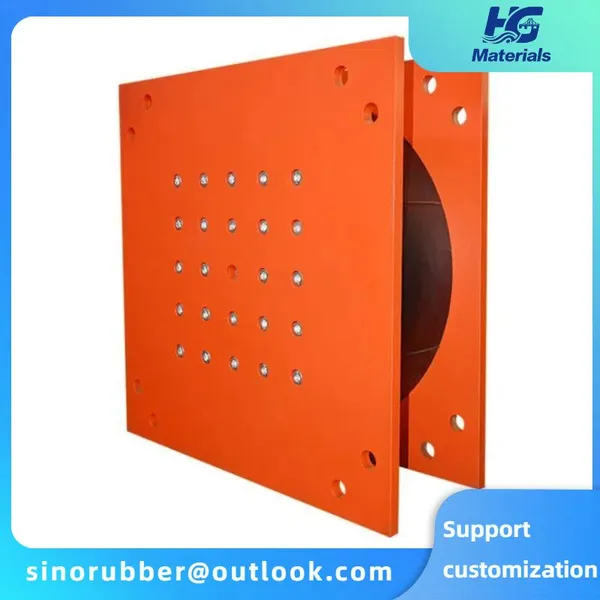
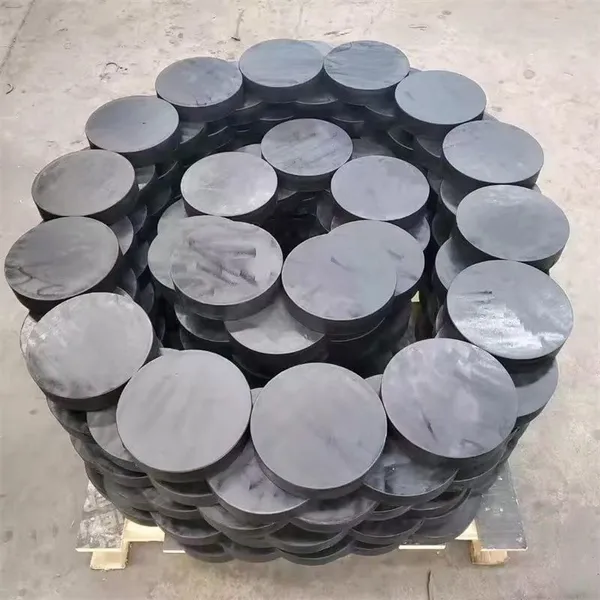
HG004 Elastomeric Laminated Neoprene Rubber Bridge Bearing Pad Nature Rubber Elastomeric Bearing PadUS$ 6.7 - 7MOQ: 10 Pieces
-
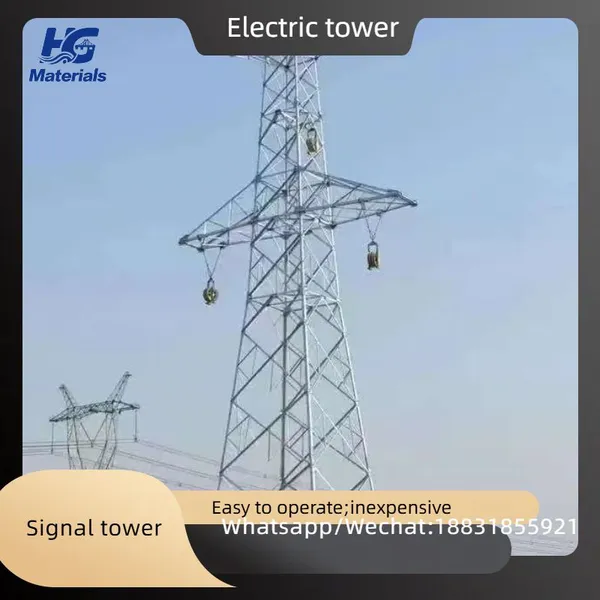
Iron Tower, Signal Tower, Power TowerUS$ 980 - 1000MOQ: 10 Metric Tons
-
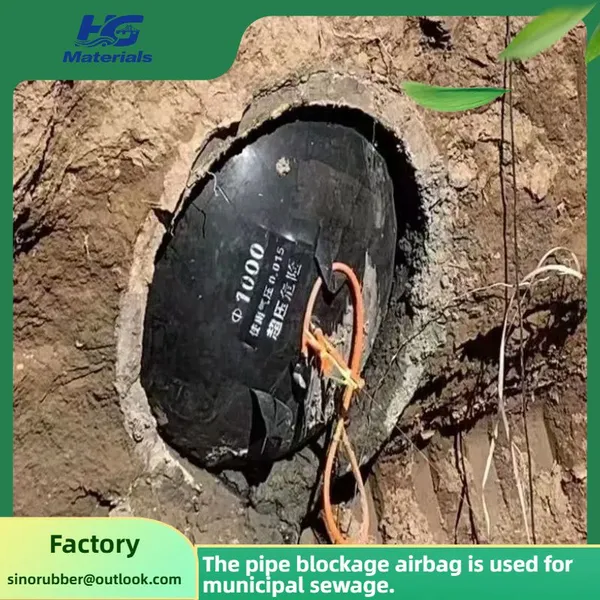
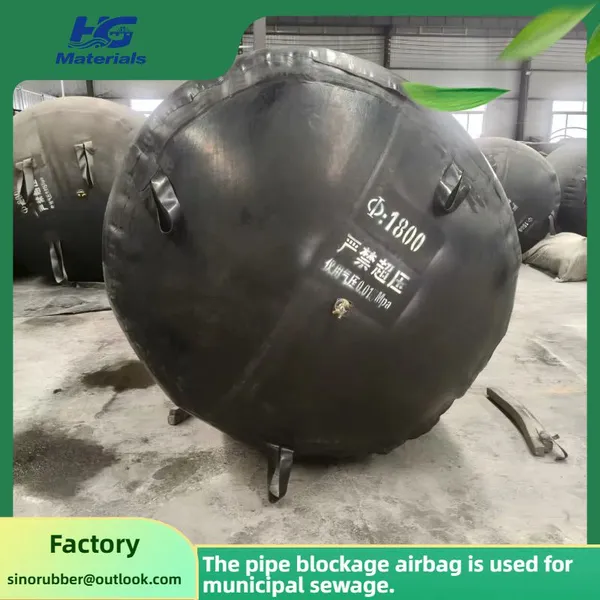
HG003 Customized Municipal Sewer Pipe Repair Pipe Blockage Diameter 800 Rubber Airbag Rubber Pipe Sealing AirbagUS$ 5 - 100MOQ: 10 Combos
-
Pipeline Blockage Water Balloon, Sewer Sewage Pipe Leak Sealing Rubber Balloon, Thickened Inflatable Pipeline BalloonUS$ 5 - 100MOQ: 10 Combos
-
Bridge Rubber Bearings With Steel Reinforcement for Railway Use - Low Noise and Vibration Reduction PropertiesUS$ 6.7 - 7MOQ: 10 Pieces
-
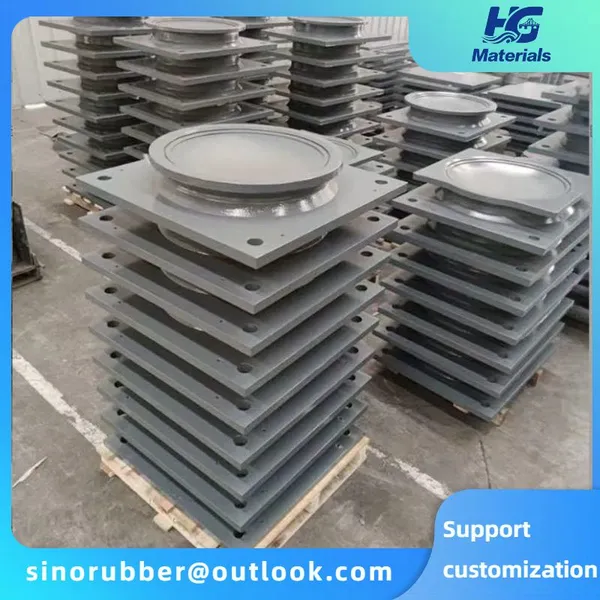
HG004 Bridge Highway Rubber Bearings, Circular and Rectangular Bridge Construction PTFE Rubber Pad Bearings, Shock-absorbing PadsUS$ 6.7 - 7MOQ: 10 Pieces
-
Custom Inflatable Rubber Dams – Dual Protection for Flood Control & Irrigation, Direct From Source FactoryUS$ 170 - 250MOQ: 20 Meters
-
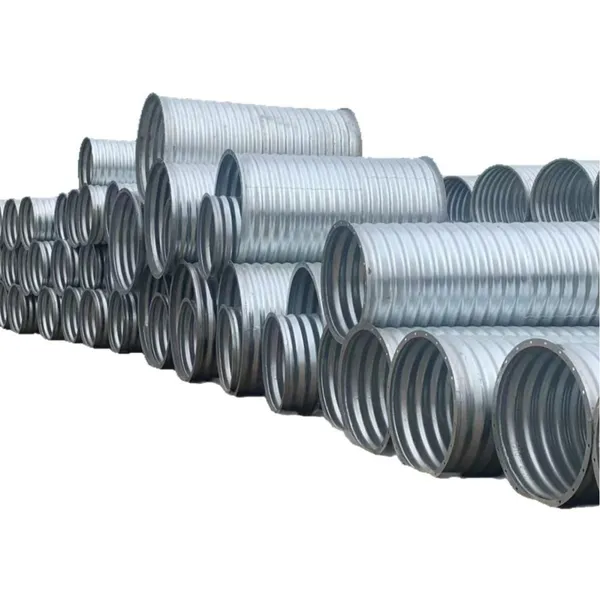
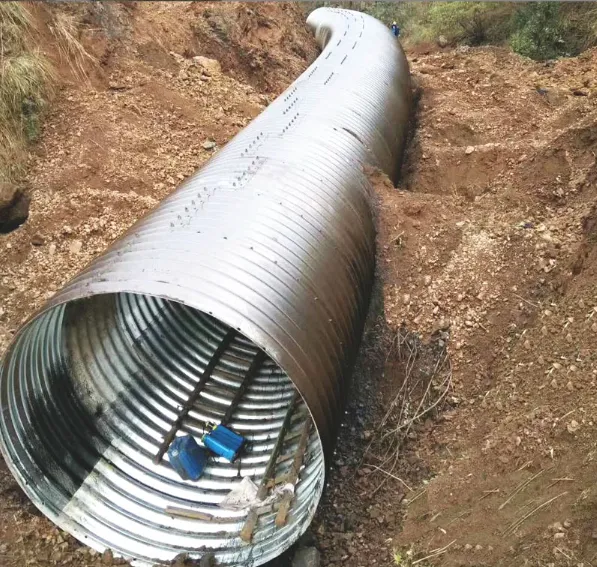
Hot Selling Galvanized 30 Corrugated Metal Pipe Cmp Culvert PipeUS$ 200 - 210MOQ: 100 Meters
-
Galvanized Corrugated Metal Pipe 20mm 3/4'' Armco Mp100 Steel Pipe Flexible Corrugated Tube Large DiameterUS$ 200 - 210MOQ: 100 Meters
-
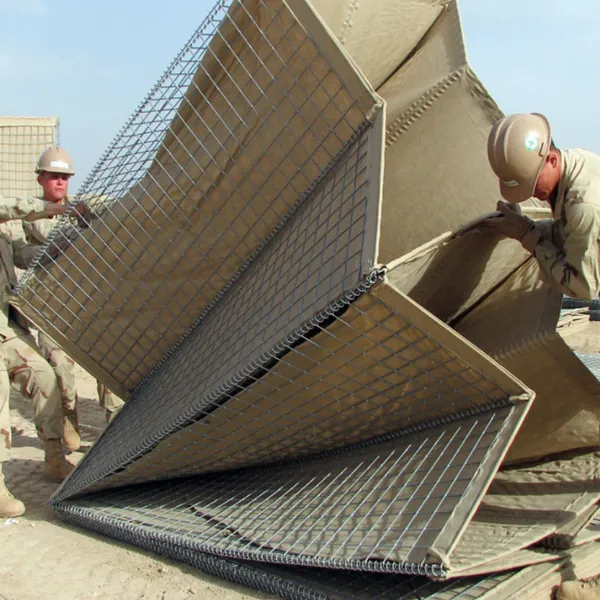
Hesco Bastion Galvanized Barrier Welded Barriers for Bastion Sand Recover Geotextile BastionUS$ 6 - 7MOQ: 100 Cases
-
Customizable Culvert Pipe Oval Shaped Steel Road Cheap 36 Inch Corrugated Metal Pipe PriceUS$ 200 - 210MOQ: 100 Meters