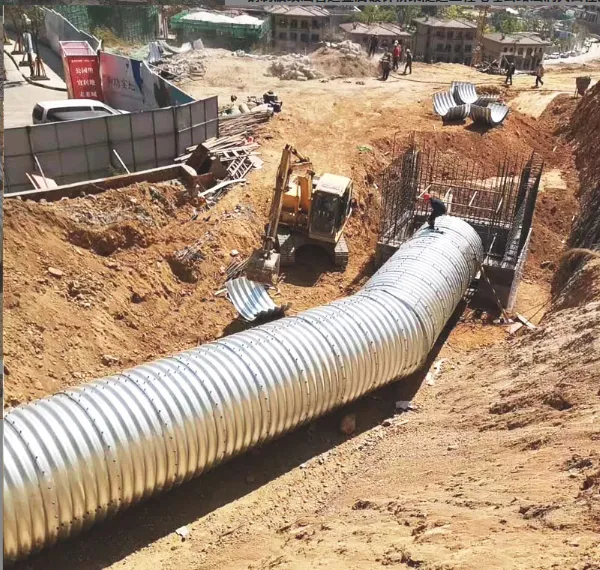

 Business License

Advantages of bridge expansion joints
# Core Advantages of Bridge Expansion Joints: Key Support for Ensuring Bridge Safety and Long-Term Operation Bridge expansion joints are not merely "gap-filling components"; through targeted design, they empower bridges in multiple dimensions—structural protection, traffic experience, and scenario adaptability—providing support throughout the bridge’s entire lifecycle. Their advantages can be summarized into five core dimensions, covering the full-range needs of bridges:
## 1. Core Function: Adapting to Structural Deformation and Protecting the Bridge Main Body This is the most fundamental advantage of expansion joints, directly determining whether a bridge can resist "deformation damage" and avoid structural cracks. 1. **Compatible with Multiple Types of Deformation**: It can simultaneously adapt to the **longitudinal displacement** of bridges caused by temperature changes (thermal expansion and contraction), **minor elastic deformation** from vehicle load impact, and **vertical displacement** from uneven settlement of piers and abutments. This prevents cracks in beam bodies and abutments due to "rigid pulling". 2. **Relieving Structural Stress**: Through its own expansion/contraction or the deformation of flexible components (e.g., rubber strips), it effectively releases internal stresses generated by bridge deformation (such as concrete shrinkage stress and steel tensile stress). This avoids local damage (e.g., beam end fragmentation, bearing damage) caused by stress concentration. 3. **Protecting Key Components**: It indirectly protects core bridge components like bearings, piers, and deck pavement. Without expansion joints, the impact force from deformation would be directly transmitted to bearings, accelerating their aging; meanwhile, it prevents large-area cracking of deck pavement due to pulling.
## 2. Traffic Experience: Enhancing Driving Smoothness and Safety High-quality expansion joints significantly improve the traffic experience for vehicles and pedestrians while reducing safety hazards. 1. **Reducing "Vehicle Bumping"**: Through flat section steel lap joints (e.g., comb plate type) or flexible sealing (e.g., filled type), expansion joints maintain "seamless connection" with the bridge deck. Vehicles pass without obvious jolting—especially for highway and high-speed railway vehicles traveling at high speeds, this reduces wheel impact and driver fatigue. 2. **Lowering Traffic Noise**: Rubber components (e.g., EPDM rubber strips) or elastoplastic materials absorb vibration and impact noise during vehicle passage. Compared with "rigid joints" without expansion joints, noise can be reduced by 10–15 decibels, making them particularly suitable for municipal bridges and bridges near residential areas. 3. **Ensuring Pedestrian Safety**: For pedestrian overpasses and landscape bridges, invisible expansion joints or filled expansion joints have no raised section steel, preventing pedestrian tripping. Meanwhile, gaps filled with sealant prevent debris (e.g., gravel, fallen leaves) from jamming, reducing the risk of pedestrian slips.
## 3. Durability: Strengthening Waterproofing and Extending Bridge Lifespan The waterproof design of expansion joints is a crucial line of defense for bridge "anti-aging". 1. **Dual Waterproof Protection**: Most expansion joints are equipped with dedicated rubber strips (e.g., neoprene rubber) + bottom waterstops/waterstop strips. They effectively block rainwater and snowmelt from seeping into the bridge interior, avoiding steel bar corrosion in beam bodies and alkali-aggregate reaction (AAR) in pier concrete. This extends the service life of the bridge main body by 10–15 years on average. 2. **Resisting Environmental Erosion**: Expansion joints for harsh environments (coastal, frigid, chemical industrial areas) are designed with anti-corrosion coatings (e.g., hot-dip galvanizing, epoxy zinc-rich paint) and weather-resistant rubber (e.g., EPDM). They resist erosion from salt spray, low temperatures, and acid-alkali media, reducing the risk of section steel rust and rubber aging. 3. **Fatigue Impact Resistance**: The section steel framework and rubber components of high-load expansion joints (e.g., Highway Class Ⅰ modular type) undergo fatigue testing (usually withstanding over 100,000 load impacts). They remain structurally intact even after long-term rolling by heavy-duty vehicles, avoiding bridge service disruptions due to frequent maintenance.
## 4. Scenario Adaptability: Flexibly Meeting Diverse Bridge Needs The multi-type and customizable nature of expansion joints allows them to adapt to the differentiated needs of various bridges. 1. **Adapting to Different Spans and Displacements**: From small-displacement (≤20mm) small bridges/culverts (rubber plate type) to large-span sea-crossing bridges with ultra-large displacement (≥400mm) (multi-module combined type), selection can be tailored to meet deformation requirements—no longer limiting bridge design due to "mismatched displacement capacity". 2. **Compatible with Special Structures**: For curved, sloped, or skewed bridges, expansion joints with universal rotation devices can adapt to multi-directional displacement; for prefabricated bridges, modular expansion joints enable "prefabricated installation", significantly shortening the construction period (50% faster than traditional expansion joint installation). 3. **Balancing Function and Aesthetics**: For municipal landscape bridges, invisible expansion joints or filled expansion joints with colored sealant can be used—no obvious raised structures, integrating with the bridge deck landscape while preserving the integrity of deck pavement (e.g., asphalt, stone pavement).
## 5. Construction & Maintenance: Convenience and Reduced Long-Term Costs Reasonable expansion joint design reduces post-operation maintenance difficulty and costs. 1. **Convenient and Efficient Construction**: Most expansion joints use prefabricated components (e.g., anchoring steel bars, section steel modules). On-site operations only require positioning, welding, and rubber strip installation—no complex formwork erection or concrete pouring. Especially for municipal bridges, "night construction and daytime traffic" can be achieved, minimizing traffic control time. 2. **Low Cost for Local Replacement**: Core wearing parts of expansion joints (e.g., rubber strips, sealant) can be replaced locally without full demolition. The replacement cycle is short (only 1–2 hours per linear meter), and the cost is only 1/5–1/3 of full replacement, significantly reducing operation and maintenance costs. 3. **Easy Inspection and Maintenance**: Modular and comb plate expansion joints have clear structures. During daily inspections, rubber strip aging and section steel rust can be observed directly—no professional equipment is needed to determine whether maintenance is required, reducing inspection costs.
If needed, I can help you organize a **Bridge Expansion Joint Advantages Comparison Table**, clearly listing the advantage differences of modular, comb plate, rubber plate, and other types in dimensions like "deformation adaptability, waterproofing, and cost", to facilitate quick selection for specific projects.
Recently Posted
-
Cost-Effectiveness and Long-Term Operation Value of Air Shield Dam Water Conservancy Facility
August 16, 2026For water conservancy investors and engineering contractors, air shield dams have obvious economic advantages in long-term project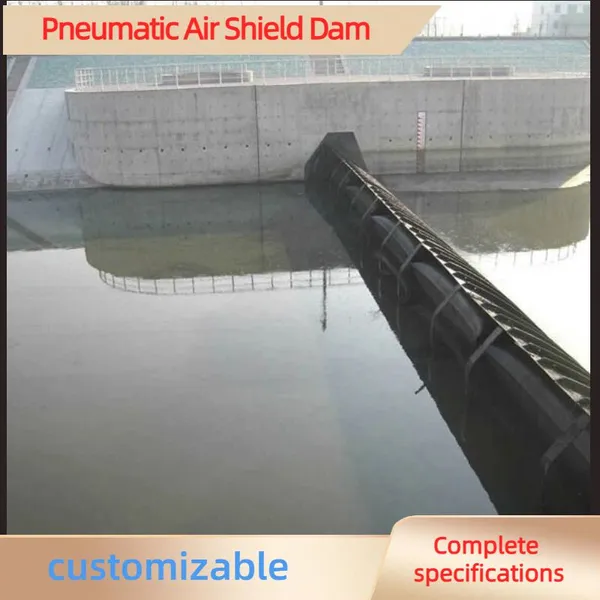 Read More
 -
Flood Control Performance and Safety Features of Modern Air Shield Dam
August 16, 2026Flood prevention and drainage are the core functions of river hydraulic facilities, and air shield dams show outstanding safety an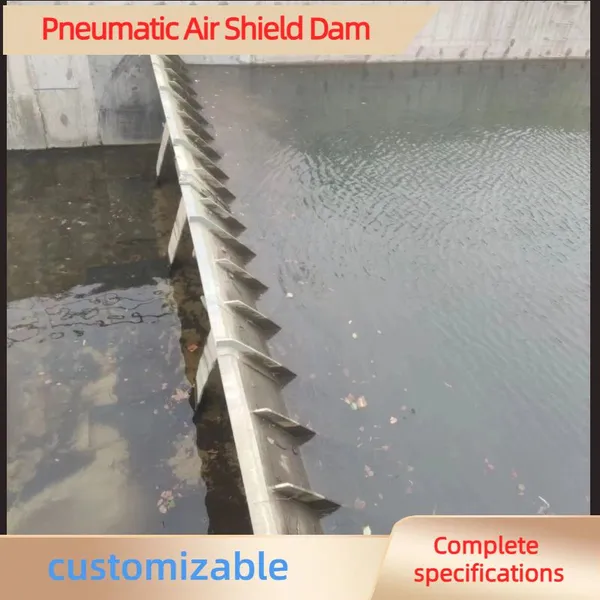 Read More
 -
How Air Shield Dam Improves River Ecological Environment and Protects Aquatic Ecology
August 16, 2026Traditional water retaining dams often block river migration channels and destroy the original ecological balance of water bodies. Read More
 -
Advantages of Pneumatic Air Shield Dam in Urban Landscape River Projects
August 16, 2026Urban landscape rivers require both practical water regulation functions and beautiful waterscape effects, and air shield dams per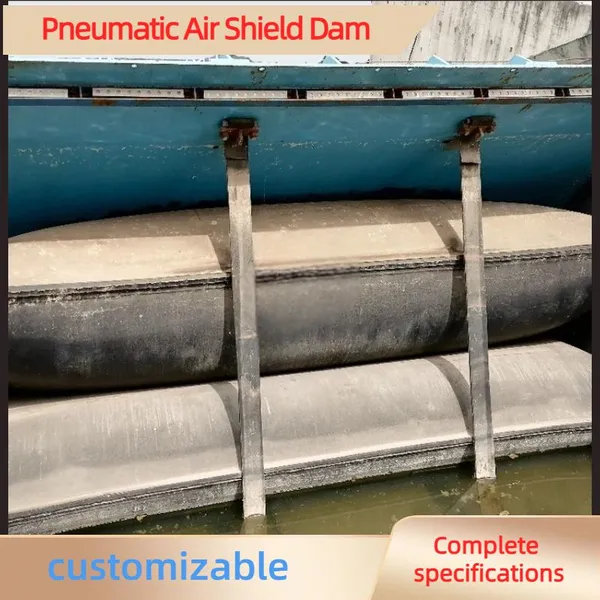 Read More

Contact Us
Recommended Products
-
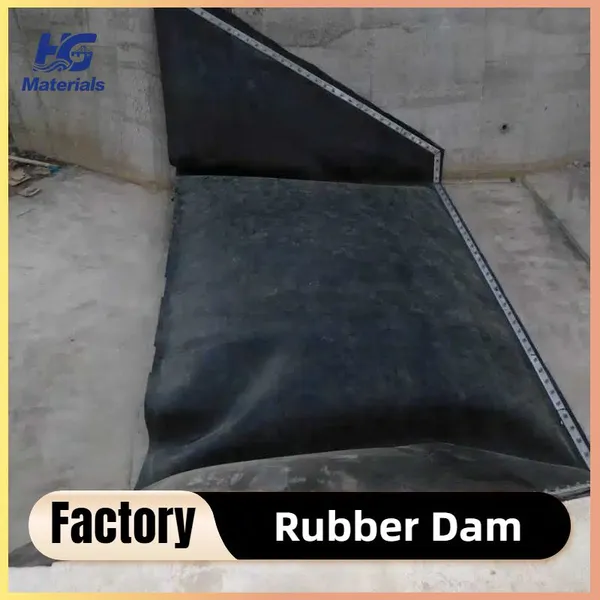
 Custom Inflatable Rubber Dams – Dual Protection for Flood Control & Irrigation, Direct Factory SupplyUS$ 170 - 250MOQ: 20 Meters
 -
Inflatable Rubber Dams for River Regulation – Specialized for Ecological Landscape Water Storage, Customizable on DemandUS$ 170 - 250MOQ: 20 Meters
-
Lightweight Inflatable Rubber Dams – Fast Deployment, Ideal for Emergency Water ManagemenUS$ 170 - 250MOQ: 20 Meters
-
The Rubber Dam Built for Farmland Irrigation in Indonesia Can Store Water in a 25-meter-wide River.US$ 170 - 250MOQ: 20 Meters
-
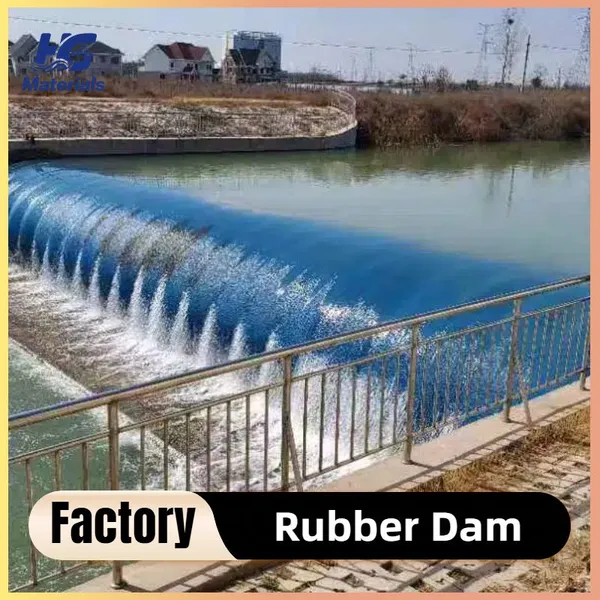
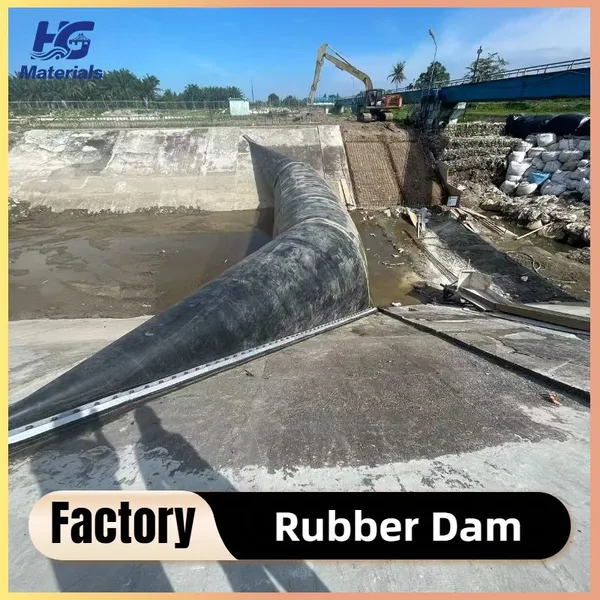
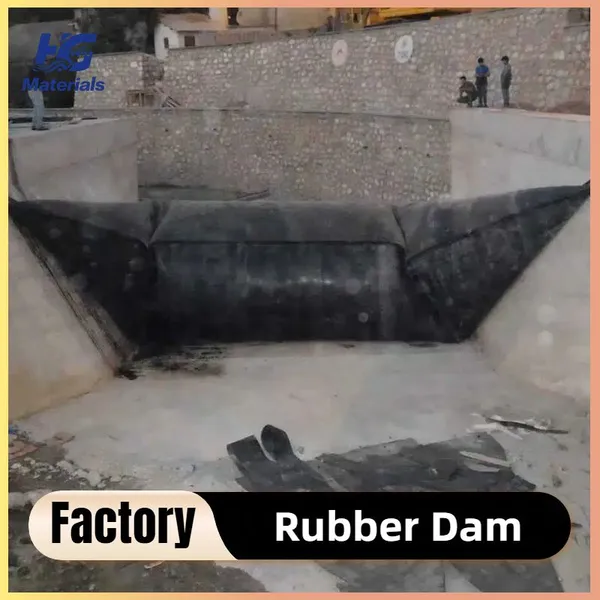
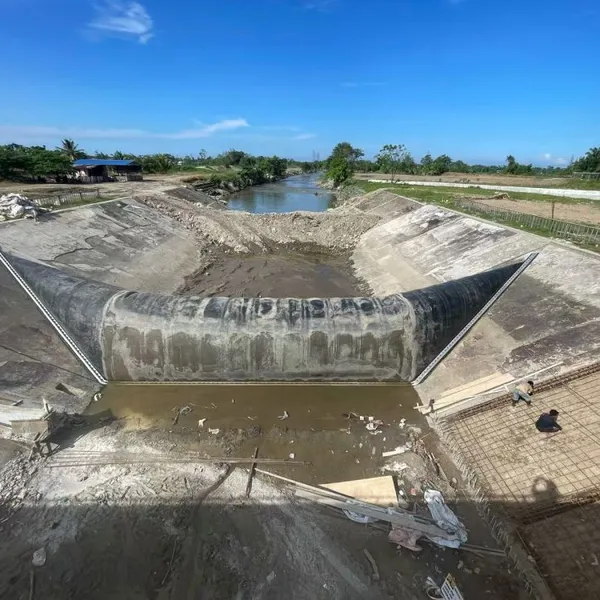
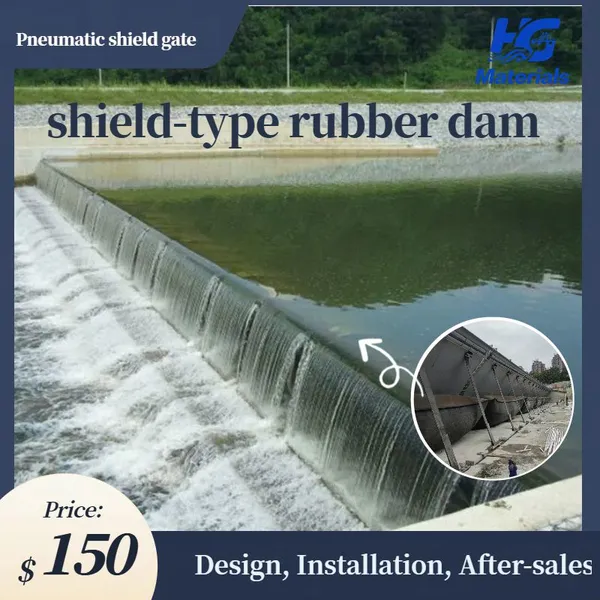
Pneumatic Shield Gate Shield-type Rubber Dam Air Shield Dam Spillway Gate Inflatable Rubber Dam Sold to Thailand, Malaysia, PhilippinesUS$ 1200 - 1500MOQ: 10 Square Meters
-
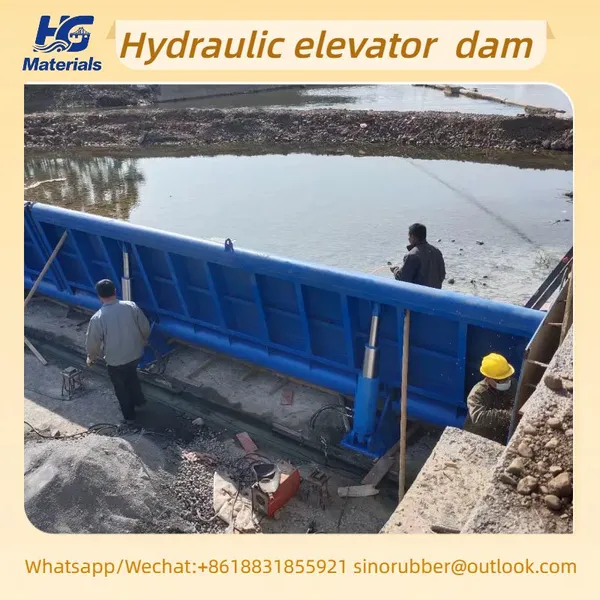
HG006 Hydraulic Elevator Dam Store Water Irrigate Landscape Flood Control Sluice Dam GateUS$ 300 - 350MOQ: 10 Square Meters
-
HG002 Cast Iron Sluice Gate, Farmland Irrigation and Drainage Gate, High-strength Wear-resistant Hydraulic Gate, Available in WholesaleUS$ 200 - 3000MOQ: 10 Combos
-
HG002manufacturer Specializes in Producing Custom-made Copper-inlaid Cast Iron Gates and Cast Iron Round GatesUS$ 200 - 3000MOQ: 10 Combos
-
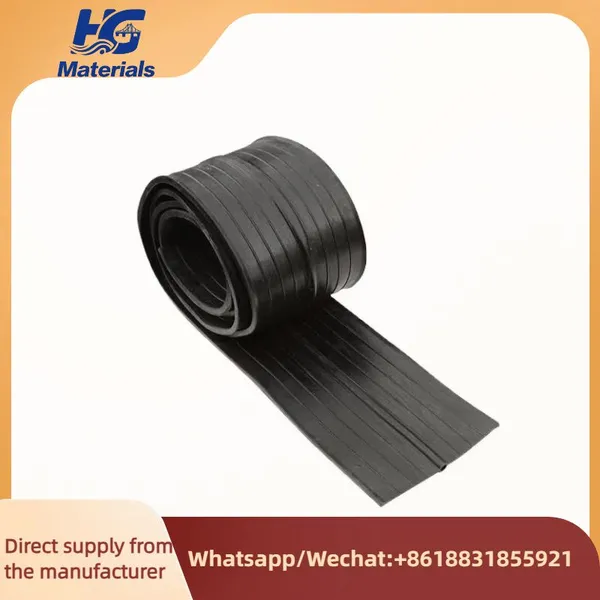
HG001 High Quality Rubber Pvc Water-stop Construction Concrete Joints Waterstops Rubber Water StopUS$ 4.8 - 5MOQ: 100 Meters
-
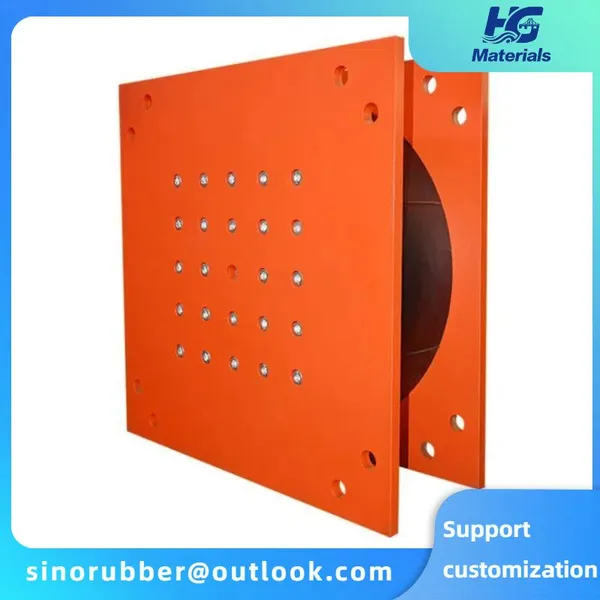
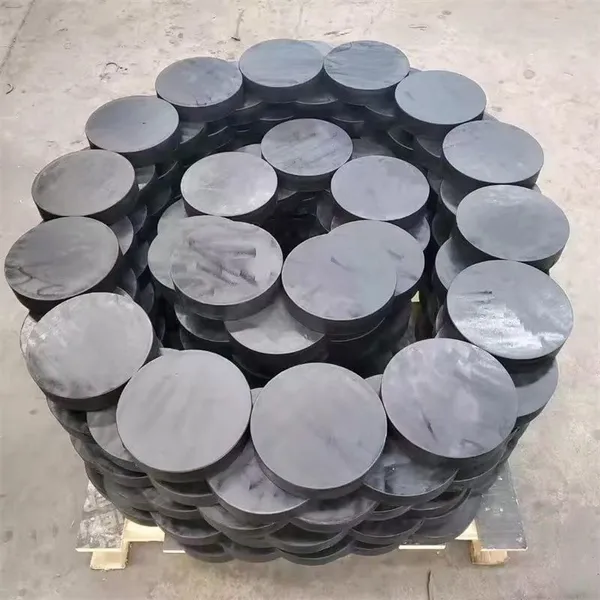
HG004 Elastomeric Laminated Neoprene Rubber Bridge Bearing Pad Nature Rubber Elastomeric Bearing PadUS$ 6.7 - 7MOQ: 10 Pieces
-
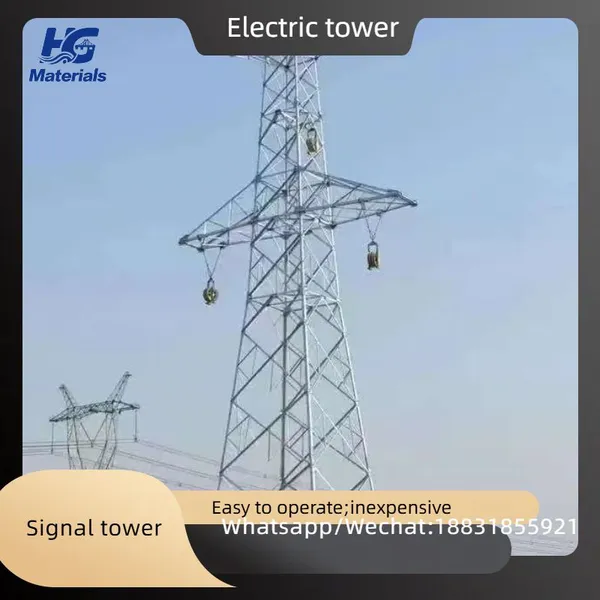
Iron Tower, Signal Tower, Power TowerUS$ 980 - 1000MOQ: 10 Metric Tons
-
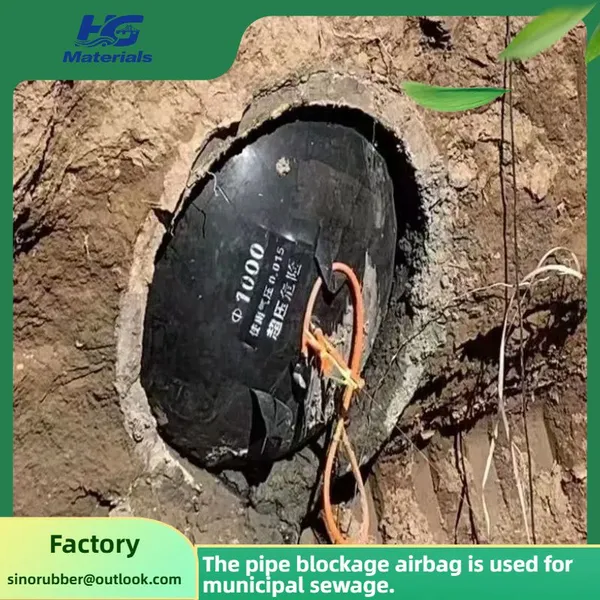
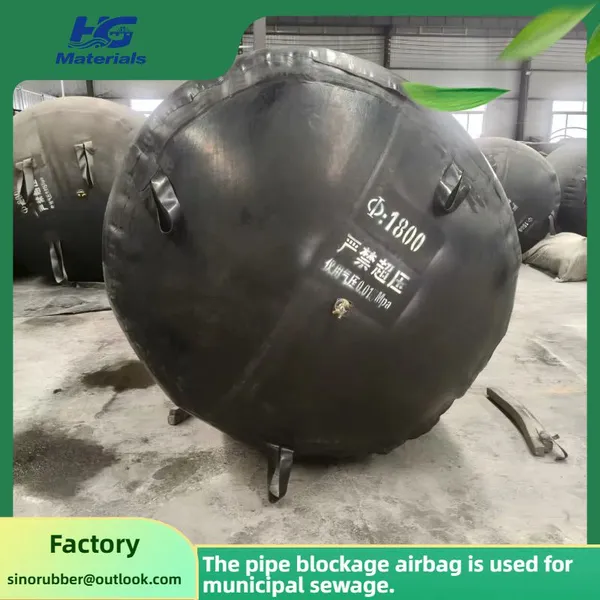
HG003 Customized Municipal Sewer Pipe Repair Pipe Blockage Diameter 800 Rubber Airbag Rubber Pipe Sealing AirbagUS$ 5 - 100MOQ: 10 Combos
-
Pipeline Blockage Water Balloon, Sewer Sewage Pipe Leak Sealing Rubber Balloon, Thickened Inflatable Pipeline BalloonUS$ 5 - 100MOQ: 10 Combos
-
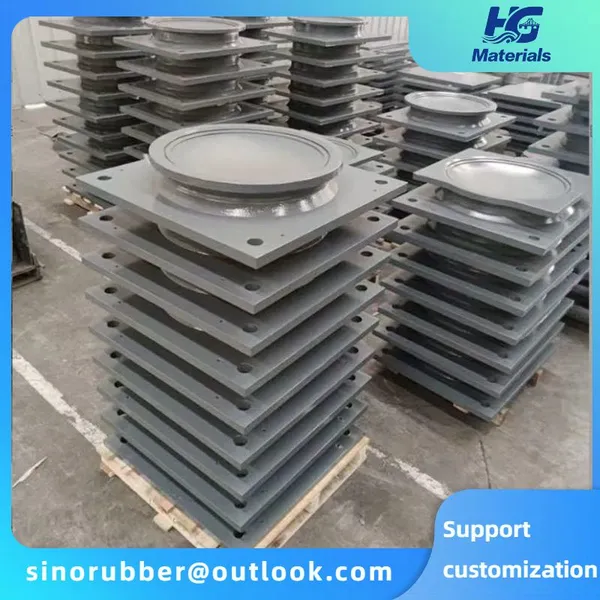
Bridge Rubber Bearings With Steel Reinforcement for Railway Use - Low Noise and Vibration Reduction PropertiesUS$ 6.7 - 7MOQ: 10 Pieces
-
HG004 Bridge Highway Rubber Bearings, Circular and Rectangular Bridge Construction PTFE Rubber Pad Bearings, Shock-absorbing PadsUS$ 6.7 - 7MOQ: 10 Pieces
-
Custom Inflatable Rubber Dams – Dual Protection for Flood Control & Irrigation, Direct From Source FactoryUS$ 170 - 250MOQ: 20 Meters
-
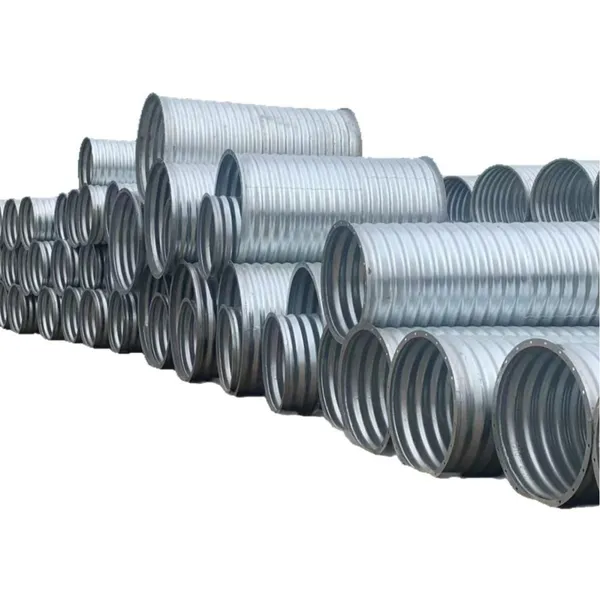
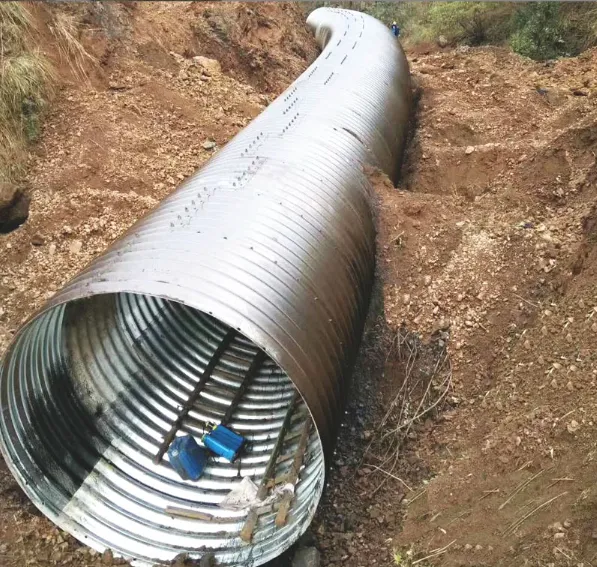
Hot Selling Galvanized 30 Corrugated Metal Pipe Cmp Culvert PipeUS$ 200 - 210MOQ: 100 Meters
-
Galvanized Corrugated Metal Pipe 20mm 3/4'' Armco Mp100 Steel Pipe Flexible Corrugated Tube Large DiameterUS$ 200 - 210MOQ: 100 Meters
-
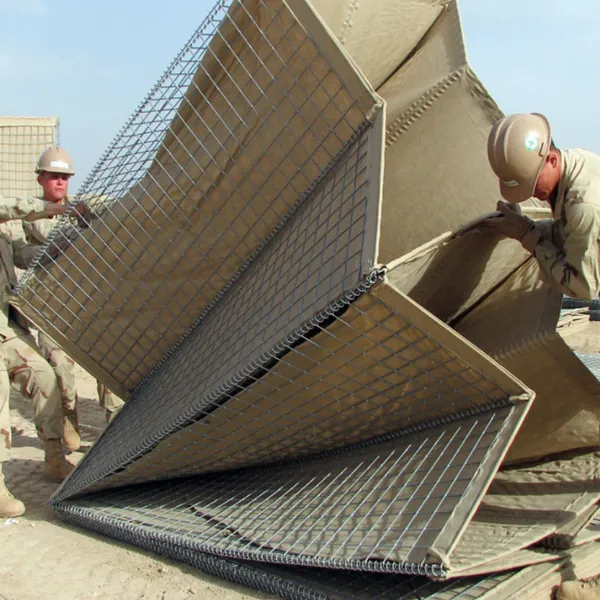
Hesco Bastion Galvanized Barrier Welded Barriers for Bastion Sand Recover Geotextile BastionUS$ 6 - 7MOQ: 100 Cases
-
Customizable Culvert Pipe Oval Shaped Steel Road Cheap 36 Inch Corrugated Metal Pipe PriceUS$ 200 - 210MOQ: 100 Meters