
 Business License

Application scenarios of bridge expansion joints
# Application Scenarios of Bridge Expansion Joints The application scenarios of bridge expansion joints mainly revolve around the "deformation requirements of bridge structures" and cover bridges of different types, environments, and structural characteristics. Essentially, they ensure bridge safety and service life by adapting to the displacement, load, waterproofing, and other needs of various scenarios. The following breaks down specific application scenarios and adaptation logic from three dimensions: **bridge type, special structure, and environmental/renovation needs**.
## 1. By Bridge Usage and Type: Adapting to Core Load and Speed Requirements This is the most basic scenario classification. Bridges for different purposes have significant differences in requirements for the load-bearing capacity, ride smoothness, and waterproofing of expansion joints.
### 1.1 Highway Bridges (including expressways, national highways, and provincial highways) - **Scenario Characteristics**: Bear vehicle loads (including heavy-duty trucks) with high speeds (60-120 km/h). They need to balance load-bearing strength and ride smoothness to avoid "vehicle bumping" that affects driving safety. - **Core Requirements**: Impact resistance, high load-bearing capacity (complying with Highway Load Class Ⅰ/Ⅱ standards), and adaptation to thermal deformation (especially in northern regions with large temperature differences). - **Suitable Types**: - Large-span highway bridges (e.g., continuous beam bridges, cable-stayed bridges): Choose **modular expansion joints** (displacement capacity: 80-400 mm) to adapt to large deformations of beam bodies. - Medium- and small-span highway bridges (e.g., simply supported beam bridges): Choose **comb plate expansion joints** (displacement capacity: 20-80 mm) for good ride smoothness and reduced jolting. - Small highway bridges/culverts in rural areas: Choose **rubber plate expansion joints** (displacement capacity: ≤20 mm) for low cost, easy installation, and meeting light-load requirements.
### 1.2 Railway/High-Speed Railway Bridges - **Scenario Characteristics**: Concentrated train loads (large axle load), extremely high speeds (160-350 km/h). Strict requirements for the smoothness and stability of expansion joints, with no noise or vibration caused by gaps. - **Core Requirements**: Millimeter-level flatness, high durability (resistance to fatigue impact), low noise, and adaptation to longitudinal displacement of rails. - **Suitable Types**: - High-speed railway bridges: Mostly use **reinforced rubber plate expansion joints** or **small-displacement modular expansion joints**, with surfaces flush with rails to reduce wheel impact. - Conventional railway bridges: **Comb plate expansion joints** can be used, but shock-absorbing pads must be added to reduce train passing noise.
### 1.3 Municipal Bridges (including urban arterial bridges, landscape bridges, and pedestrian overpasses) - **Scenario Characteristics**: Limited space (mostly in urban areas), mixed pedestrian and vehicle traffic (or pedestrians only). Some require aesthetic consideration, and construction needs to minimize impact on traffic. - **Core Requirements**: Miniaturization, low noise, waterproofing (preventing rainwater infiltration from affecting underground pipelines), and invisible design for some cases. - **Suitable Types**: - Urban arterial bridges (medium load): Choose **comb plate expansion joints** (displacement capacity: 20-60 mm) for easy installation and no excessive deck space occupation. - Landscape bridges/pedestrian overpasses: Choose **filled expansion joints** (filled with polyurethane sealant) or **invisible expansion joints** (no raised section steel) to balance aesthetics and pedestrian safety. - River-crossing municipal bridges: Additional **waterstops** are required to enhance waterproofing and prevent rainwater from infiltrating into rivers or bridge piers.
### 1.4 Hydraulic Bridges (e.g., river-crossing bridges, reservoir area bridges) - **Scenario Characteristics**: Long-term exposure to high-humidity environments, with some in contact with water (e.g., fluctuating water level areas in reservoirs). Corrosion and waterproofing are key priorities. - **Core Requirements**: Water corrosion resistance (preventing section steel rust), strong waterproofing (preventing rainwater from infiltrating bridge pier foundations), and adaptation to minor beam deformations caused by water level changes. - **Suitable Types**: Choose **modular expansion joints** (with anti-corrosion coatings such as hot-dip galvanizing + epoxy zinc-rich paint), matched with EPDM (ethylene propylene diene monomer) rubber strips (water aging resistance), and additional waterstops at the bottom to form double waterproofing.
## 2. By Special Bridge Structures: Adapting to Complex Deformation Needs Some bridges have special structural designs, requiring expansion joints to adapt to "non-longitudinal" or "multi-directional" deformations, which are more targeted scenarios. ### 2.1 Special-Shaped Bridges (curved bridges, sloped bridges, skewed bridges) - **Scenario Characteristics**: In addition to longitudinal deformation, beam bodies have lateral displacement (curved bridges), vertical displacement (sloped bridges), or skewed displacement (skewed bridges). Conventional expansion joints tend to fail due to "one-way adaptation". - **Core Requirements**: Multi-directional displacement adaptability (longitudinal + lateral + vertical) and high fit with the beam curve. - **Suitable Types**: Choose **modular expansion joints (with universal rotation devices)** or **elastoplastic expansion joints**. Their flexible structures adapt to multi-directional deformations and avoid rigid friction between expansion joints and beams.
### 2.2 Prefabricated Bridges (prefabricated beam-spliced bridges) - **Scenario Characteristics**: Beams are prefabricated components with high joint precision and fast construction rhythm. Expansion joints need to be quickly connected to prefabricated beams to reduce on-site work time. - **Core Requirements**: Modular design (facilitating prefabricated installation), fast fixing (no long-term pouring), and adaptation to minor installation errors of prefabricated beams. - **Suitable Types**: Choose **prefabricated rubber plate expansion joints** (with self-adhesive layers) or **modular modular expansion joints**. On-site operations only require splicing and fixing, without complex anchoring construction.
### 2.3 Large-Span Bridges (e.g., sea-crossing bridges, river-crossing bridges) - **Scenario Characteristics**: Large beam spans (mostly ≥50 m), large thermal and load deformations (longitudinal displacement often ≥100 mm), and vulnerability to strong winds and tides. - **Core Requirements**: Super-large displacement adaptation (≥160 mm), wind stability, and high durability (resisting marine atmospheric corrosion). - **Suitable Types**: Choose **multi-module combined expansion joints** (e.g., 2×160 mm, 3×200 mm). Large displacements are achieved through splicing multiple sets of section steel. The section steel uses stainless steel or fluorocarbon coatings to enhance corrosion resistance.
## 3. By Environmental and Renovation Needs: Addressing Special Working Conditions In addition to new bridges, old bridge renovation and bridges in harsh environments have more focused needs for expansion joints, emphasizing "repair", "adaptation", and "durability".
### 3.1 Old Bridge Expansion Joint Renovation/Replacement - **Scenario Characteristics**: Existing expansion joints are aging (e.g., cracked rubber strips, rusted section steel), waterproofing fails (water seepage), or improperly selected (e.g., insufficient displacement causing beam cracking). Replacement is required without affecting traffic. - **Core Requirements**: Strong compatibility (adapting to old bridge beam dimensions), short construction period (reducing road closure time), and upgraded performance after repair. - **Suitable Types**: - Old bridges with small displacement (original displacement ≤40 mm): Choose **rubber plate expansion joints** (directly replacing old joints without modifying the anchoring structure). - Old bridges with large displacement (original displacement ≥80 mm): Choose **fast-install modular expansion joints** with prefabricated anchoring components. On-site operations only require welding and installation, shortening the construction period by more than 50%.
### 3.2 Bridges in Harsh Environments (frigid, coastal, chemical industrial areas) - **Frigid Areas (below -20℃)**: Expansion joints need low-temperature resistance (rubber strips not brittle at -40℃). Choose **low-temperature-resistant modular expansion joints** (rubber strips with EPDM + cold-resistant additives; section steel avoiding low-temperature brittleness). - **Coastal Areas**: Resistance to marine salt spray corrosion is required. Choose **modular expansion joints with stainless steel section steel + neoprene strips**, or expansion joints with perfluoroelastomer seals. - **Chemical Industrial Areas**: Resistance to acid and alkali corrosion (e.g., around chemical plants) is required. Choose **corrosion-resistant synthetic rubber (e.g., fluoroelastomer) expansion joints**, with section steel made of FRP (fiber-reinforced plastic) or titanium alloy.
### 3.3 Emergency Rescue Bridges (e.g., post-earthquake, post-flood repair) - **Scenario Characteristics**: Rapid traffic restoration is needed, with tight construction time (often ≤72 hours). Extremely high requirements for expansion joint installation efficiency. - **Core Requirements**: Fast installation (≤4 hours per linear meter), dual-purpose (temporary/permanent), and adaptation to irregular beam gaps at rescue sites. - **Suitable Types**: Choose **emergency modular expansion joints** (e.g., prefabricated rubber modules, fast-setting elastoplastic expansion joints). No on-site concrete pouring is required; traffic can resume immediately after splicing. They can be upgraded to permanent expansion joints later.
Recently Posted
-
Cost-Effectiveness and Long-Term Operation Value of Air Shield Dam Water Conservancy Facility
August 16, 2026For water conservancy investors and engineering contractors, air shield dams have obvious economic advantages in long-term project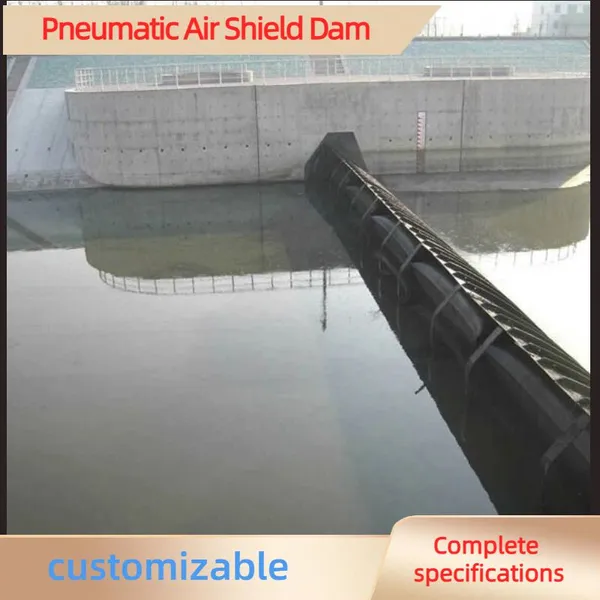 Read More
 -
Flood Control Performance and Safety Features of Modern Air Shield Dam
August 16, 2026Flood prevention and drainage are the core functions of river hydraulic facilities, and air shield dams show outstanding safety an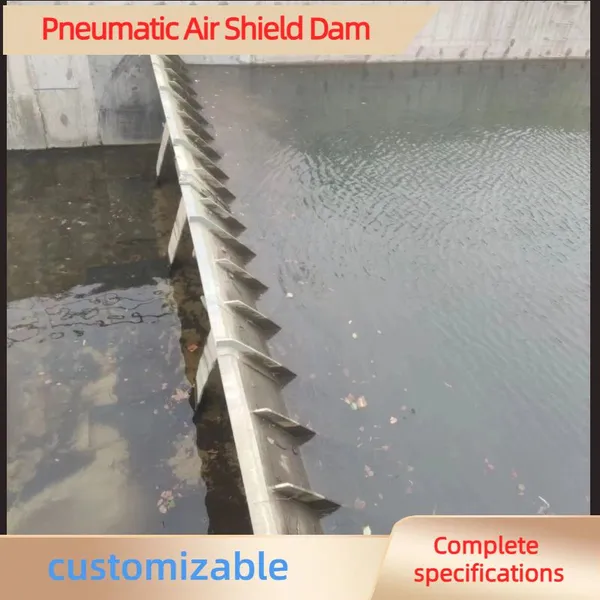 Read More
 -
How Air Shield Dam Improves River Ecological Environment and Protects Aquatic Ecology
August 16, 2026Traditional water retaining dams often block river migration channels and destroy the original ecological balance of water bodies.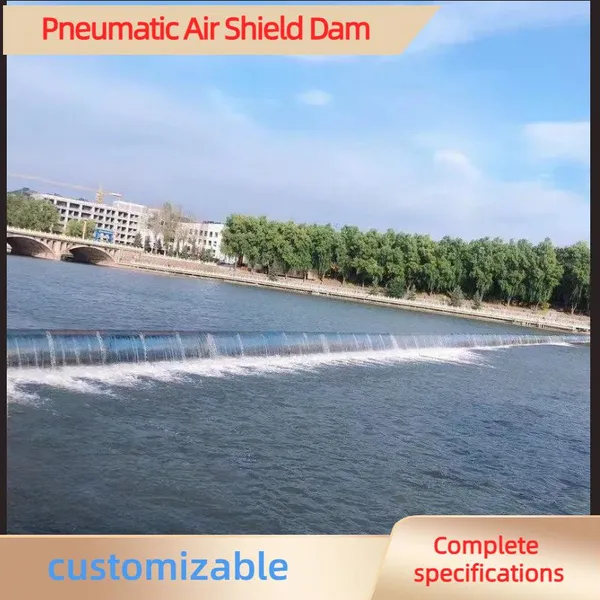 Read More
 -
Advantages of Pneumatic Air Shield Dam in Urban Landscape River Projects
August 16, 2026Urban landscape rivers require both practical water regulation functions and beautiful waterscape effects, and air shield dams per Read More

Contact Us
Recommended Products
-
 Custom Inflatable Rubber Dams – Dual Protection for Flood Control & Irrigation, Direct Factory SupplyUS$ 170 - 250MOQ: 20 Meters
 -
Inflatable Rubber Dams for River Regulation – Specialized for Ecological Landscape Water Storage, Customizable on DemandUS$ 170 - 250MOQ: 20 Meters
-
Lightweight Inflatable Rubber Dams – Fast Deployment, Ideal for Emergency Water ManagemenUS$ 170 - 250MOQ: 20 Meters
-
The Rubber Dam Built for Farmland Irrigation in Indonesia Can Store Water in a 25-meter-wide River.US$ 170 - 250MOQ: 20 Meters
-
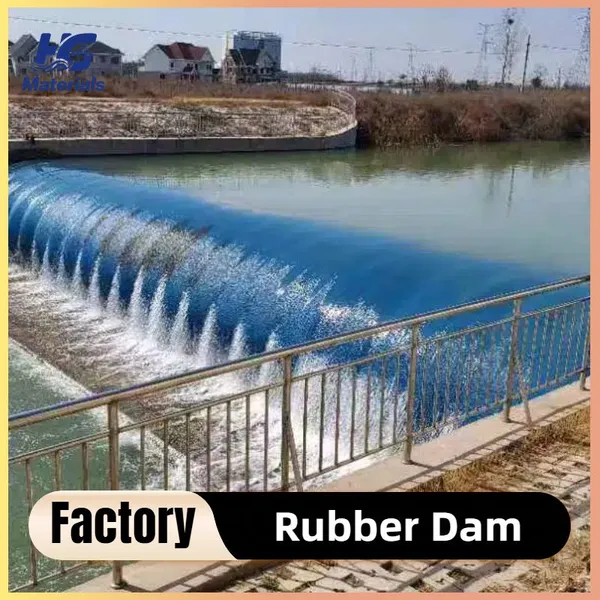
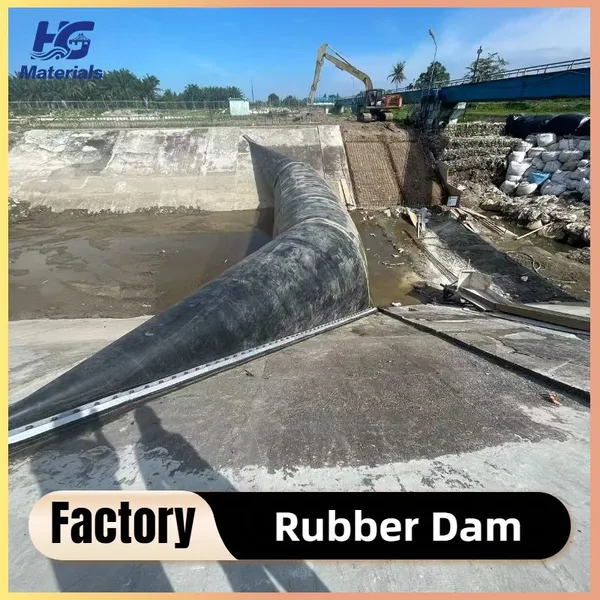
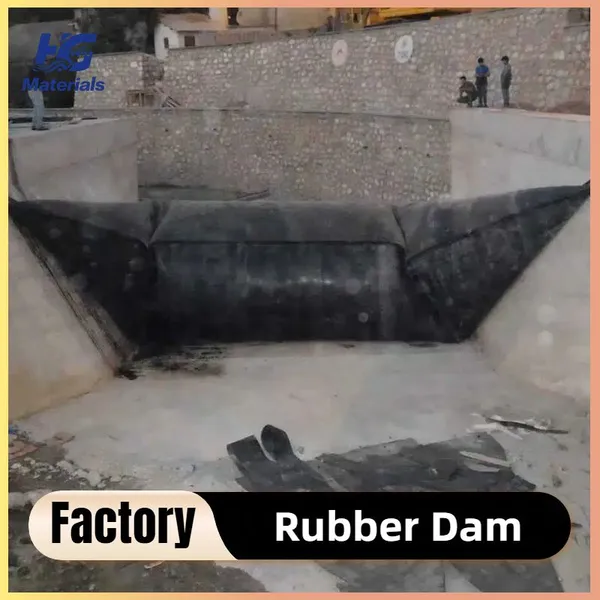
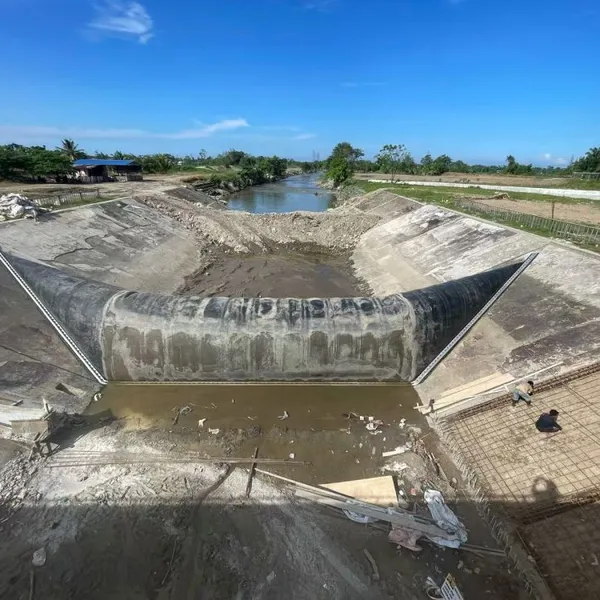
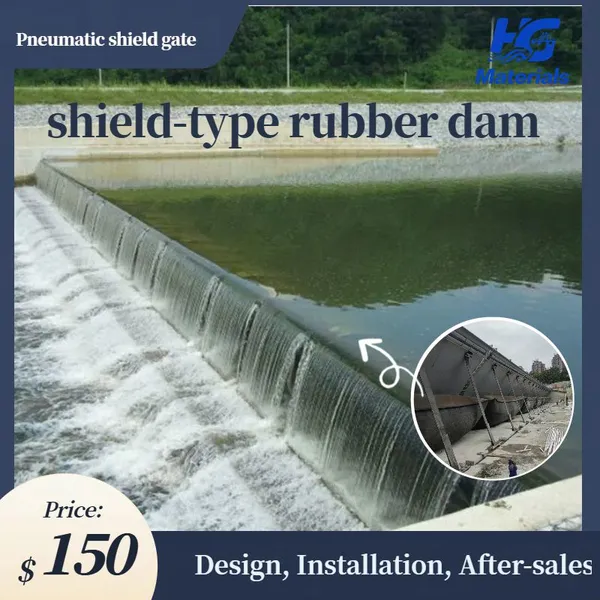
Pneumatic Shield Gate Shield-type Rubber Dam Air Shield Dam Spillway Gate Inflatable Rubber Dam Sold to Thailand, Malaysia, PhilippinesUS$ 1200 - 1500MOQ: 10 Square Meters
-
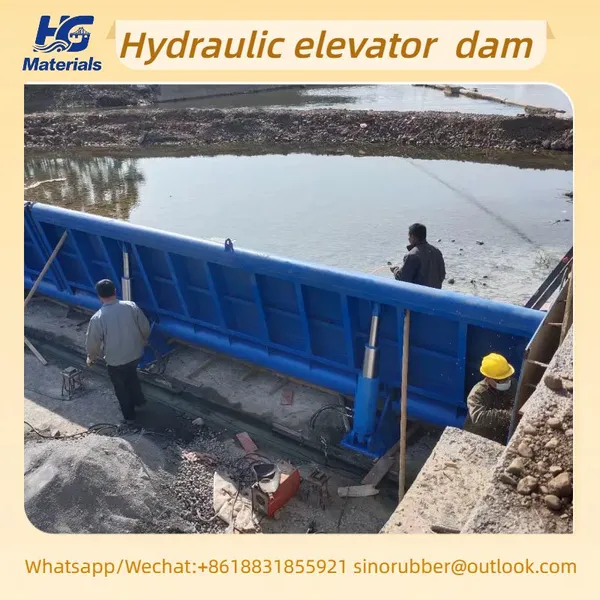
HG006 Hydraulic Elevator Dam Store Water Irrigate Landscape Flood Control Sluice Dam GateUS$ 300 - 350MOQ: 10 Square Meters
-
HG002 Cast Iron Sluice Gate, Farmland Irrigation and Drainage Gate, High-strength Wear-resistant Hydraulic Gate, Available in WholesaleUS$ 200 - 3000MOQ: 10 Combos
-
HG002manufacturer Specializes in Producing Custom-made Copper-inlaid Cast Iron Gates and Cast Iron Round GatesUS$ 200 - 3000MOQ: 10 Combos
-
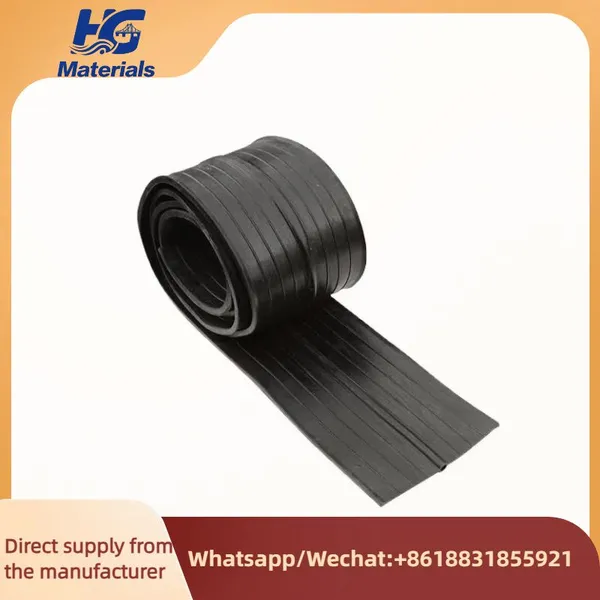
HG001 High Quality Rubber Pvc Water-stop Construction Concrete Joints Waterstops Rubber Water StopUS$ 4.8 - 5MOQ: 100 Meters
-
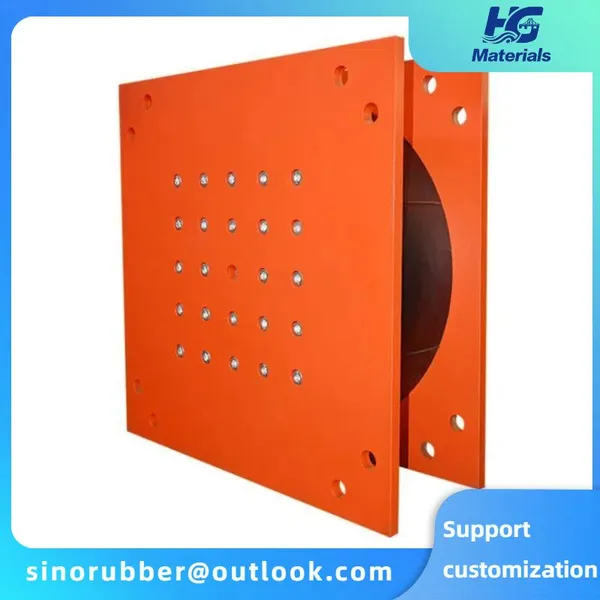
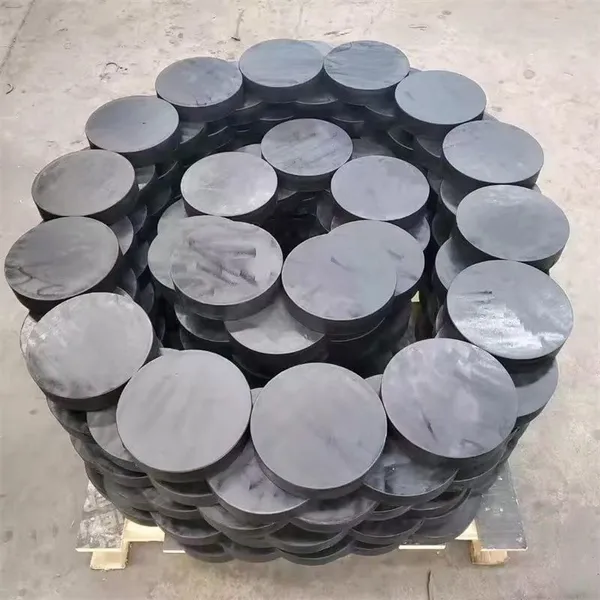
HG004 Elastomeric Laminated Neoprene Rubber Bridge Bearing Pad Nature Rubber Elastomeric Bearing PadUS$ 6.7 - 7MOQ: 10 Pieces
-
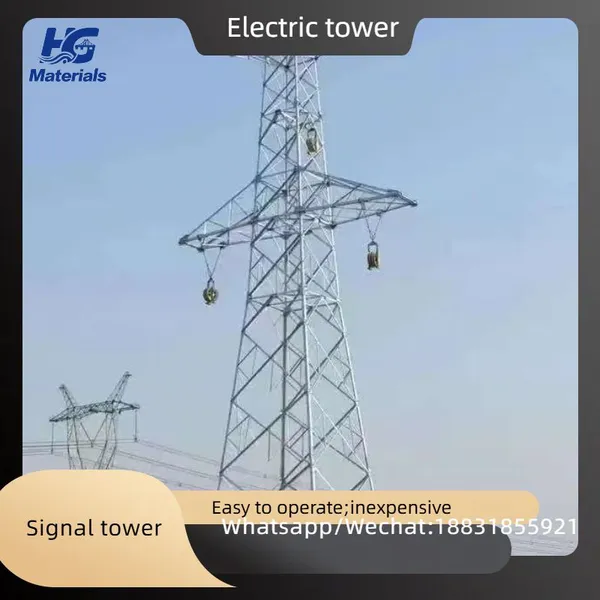
Iron Tower, Signal Tower, Power TowerUS$ 980 - 1000MOQ: 10 Metric Tons
-
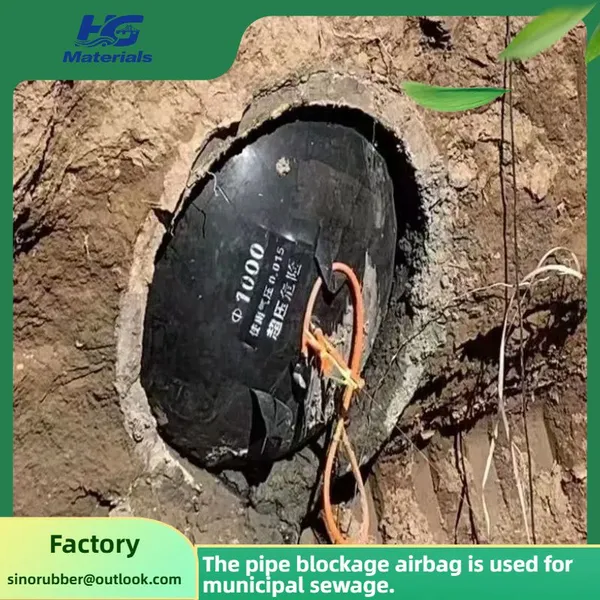
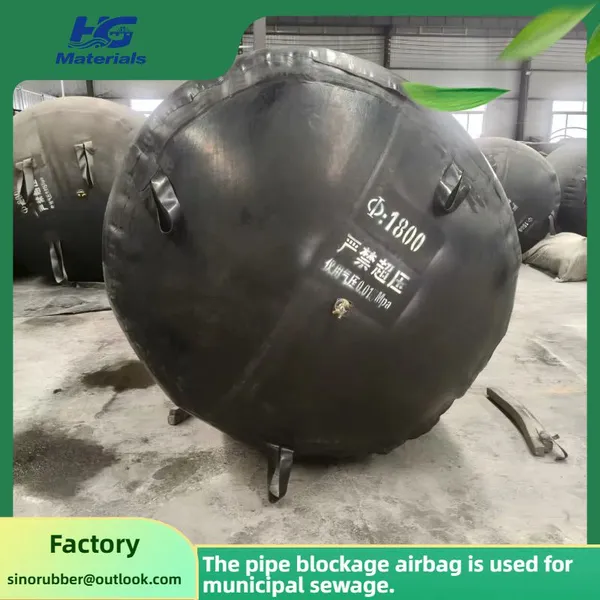
HG003 Customized Municipal Sewer Pipe Repair Pipe Blockage Diameter 800 Rubber Airbag Rubber Pipe Sealing AirbagUS$ 5 - 100MOQ: 10 Combos
-
Pipeline Blockage Water Balloon, Sewer Sewage Pipe Leak Sealing Rubber Balloon, Thickened Inflatable Pipeline BalloonUS$ 5 - 100MOQ: 10 Combos
-
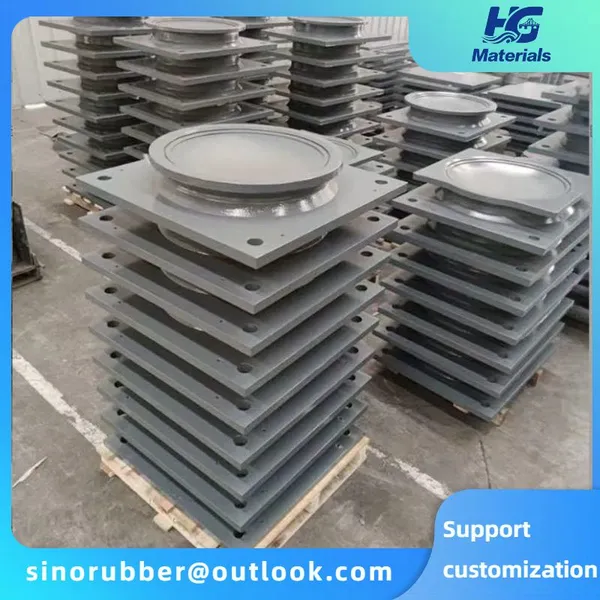
Bridge Rubber Bearings With Steel Reinforcement for Railway Use - Low Noise and Vibration Reduction PropertiesUS$ 6.7 - 7MOQ: 10 Pieces
-
HG004 Bridge Highway Rubber Bearings, Circular and Rectangular Bridge Construction PTFE Rubber Pad Bearings, Shock-absorbing PadsUS$ 6.7 - 7MOQ: 10 Pieces
-
Custom Inflatable Rubber Dams – Dual Protection for Flood Control & Irrigation, Direct From Source FactoryUS$ 170 - 250MOQ: 20 Meters
-
Hot Selling Galvanized 30 Corrugated Metal Pipe Cmp Culvert PipeUS$ 200 - 210MOQ: 100 Meters
-
Galvanized Corrugated Metal Pipe 20mm 3/4'' Armco Mp100 Steel Pipe Flexible Corrugated Tube Large DiameterUS$ 200 - 210MOQ: 100 Meters
-
Hesco Bastion Galvanized Barrier Welded Barriers for Bastion Sand Recover Geotextile BastionUS$ 6 - 7MOQ: 100 Cases
-
Customizable Culvert Pipe Oval Shaped Steel Road Cheap 36 Inch Corrugated Metal Pipe PriceUS$ 200 - 210MOQ: 100 Meters