
 Business License

The Water Retaining Principle of Steel Gates in Water Conservancy Engineering
Steel gates are core hydraulic control facilities widely used in reservoirs, rivers, water diversion projects and flood control systems. Compared with traditional concrete and cast iron gates, they feature high structural strength, strong pressure resistance, good sealing performance and flexible operation. Their stable and efficient water retaining capacity is the key to realizing water storage, flow regulation and flood interception in water conservancy projects. This blog will elaborate on the core water retaining principle of steel gates from structural design, sealing mechanism and force transmission logic.
1. Basic Structural Composition for Water Retaining
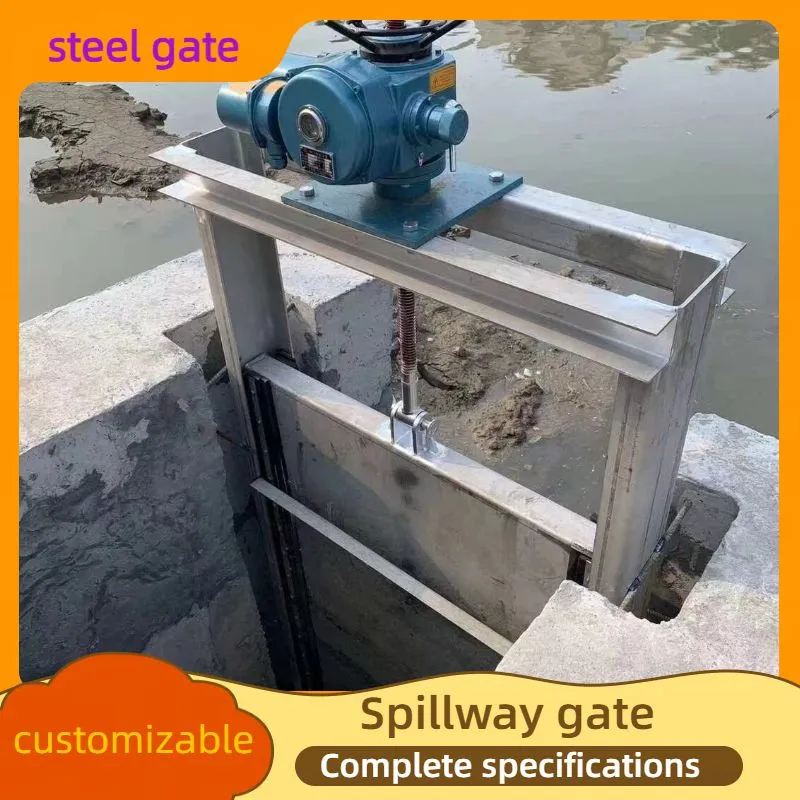
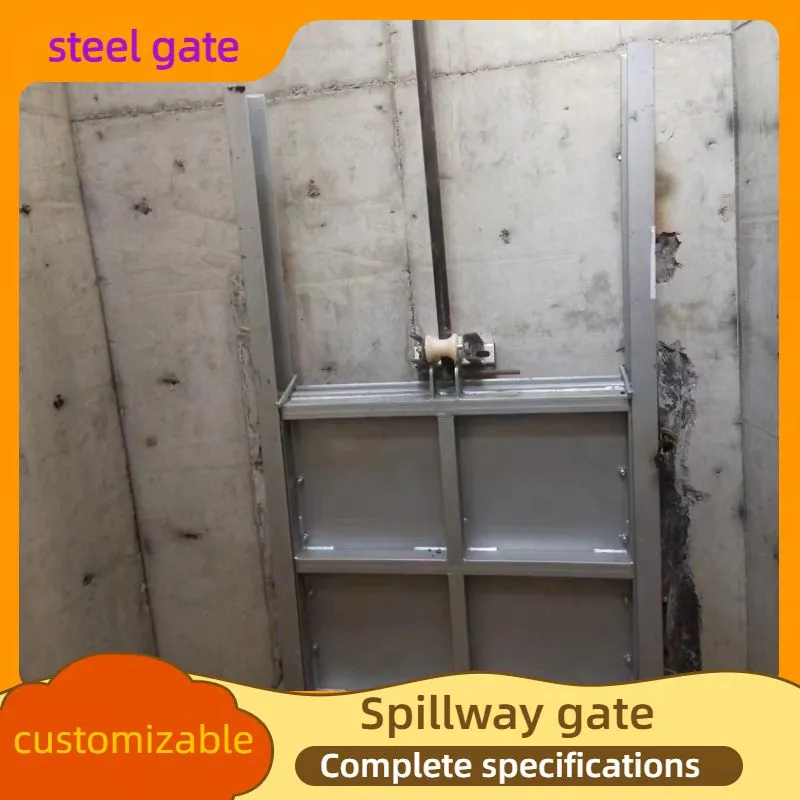
The water retaining function of steel gates relies on a complete matching structural system, which mainly consists of gate leaf, gate frame, guide rail, driving device and sealing components. Each part cooperates closely to build a stable water retaining barrier.
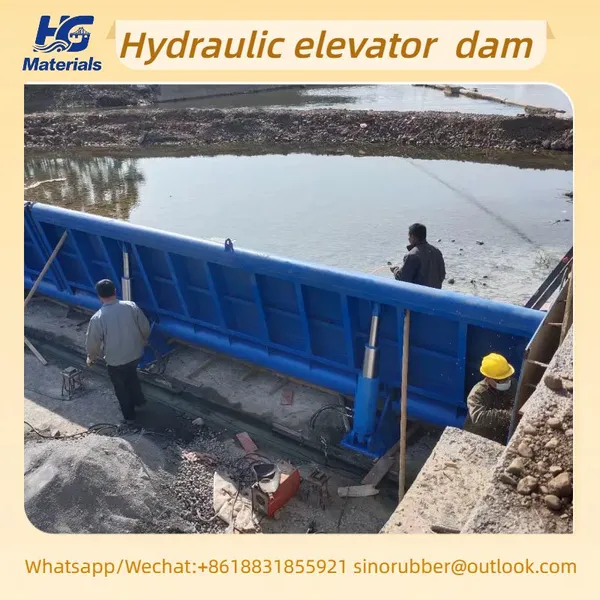
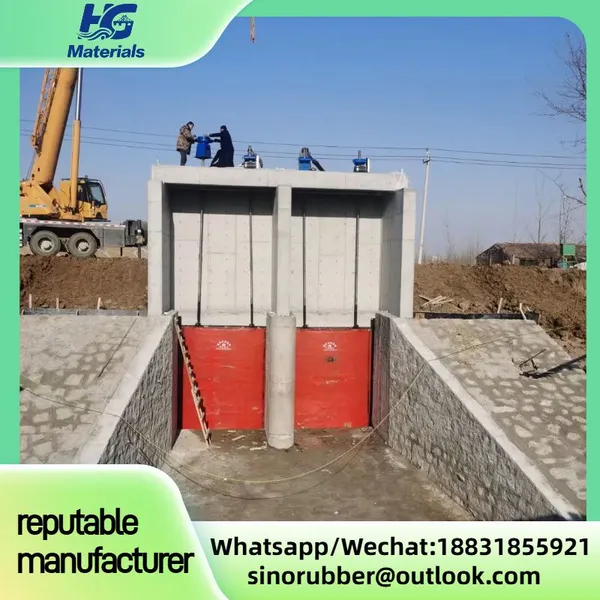
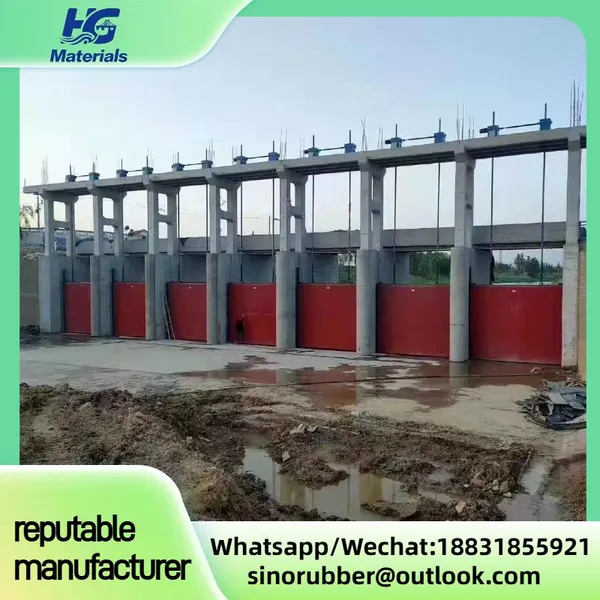
The gate leaf is the main water-bearing and water-retaining component, made of high-strength steel plates and reinforced by stiffeners. It directly faces the upstream water flow and bears all hydrostatic pressure. The fixed gate frame is embedded in the concrete gate pier, serving as the fixed support and sliding track for the gate leaf. The vertical guide rail limits the gate’s moving path to ensure the gate leaf can be accurately closed and fully cover the water passing section, laying a structural foundation for complete water interception.
2. Core Water Retaining & Sealing Mechanism
The essence of steel gate water retaining is to block the water flow channel through closed structural fit and form a waterproof closed space with the help of pressure-assisted sealing. When the system needs water storage and interception, the driving device drives the gate leaf to slide down along the guide rail to the bottom limit position, completely cutting off the upstream and downstream water flow channels.
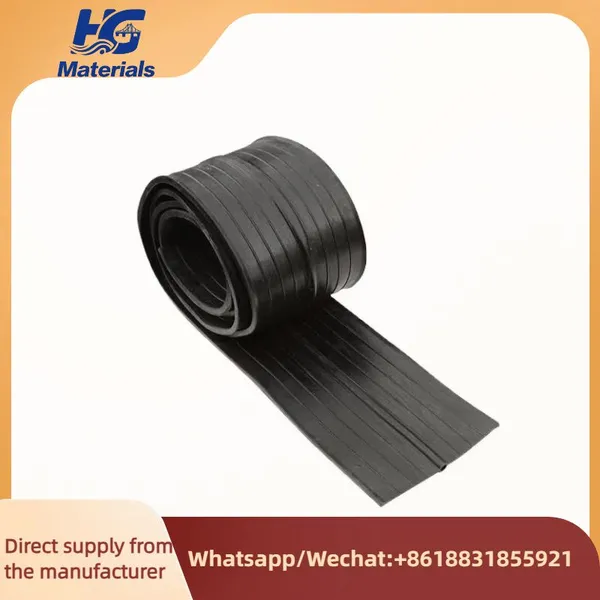
The key to zero water leakage lies in the rubber sealing device installed at the joint of the gate leaf and gate frame. Different from ordinary sealing structures, the sealing system of steel gates has a pressure self-tightening effect. When the upstream water level rises, the increased hydrostatic pressure will tightly squeeze the rubber sealing strip against the gate frame’s sealing surface. The higher the water pressure and water level difference, the tighter the fitting degree of the sealing structure, which effectively avoids water seepage and leakage at the gap. This mechanism enables steel gates to stably retain water even under a water level difference of more than 10 meters, meeting the water retaining requirements of most medium and large water conservancy projects.
3. Scientific Force Transmission & Stable Water Retaining Logic
In the water retaining state, the gate leaf bears continuous and uniform hydrostatic pressure, which increases linearly with the water depth. The steel structure with reinforced design can evenly disperse the water pressure on the gate leaf to the gate frame, and then transmit the load to the concrete gate pier and the bottom foundation of the gate chamber. This layered and uniform force transmission mode avoids local stress concentration and structural deformation of the gate, ensuring the overall stability of the water retaining structure for a long time.
In addition, modern steel gates adopt optimized structural design, including vertical sliding type, bottom shaft rotary type and other forms. Regardless of the type, they all follow the same core logic: relying on mechanical closure to block the water flow section, using water pressure to strengthen sealing performance, and transmitting water load through the support structure to achieve safe and stable water retaining operation.
4. Auxiliary Advantages for Sustainable Water Retaining
The excellent material properties of steel also provide a guarantee for long-term water retaining. High-quality carbon steel and weather-resistant steel have strong corrosion resistance and structural rigidity, which can resist the erosion of water flow, sediment and long-term hydrostatic load, and will not produce deformation, loosening or damage in long-term water retaining operation. At the same time, the flexible opening and closing function of the steel gate can switch freely between water retaining and water discharge states, which can not only stably store water and retain water, but also quickly open the gate for flood discharge and water flow regulation, realizing dual functional requirements of water control and water utilization.
Conclusion
The water retaining principle of steel gates is a comprehensive mechanical and hydraulic coupling mechanism. It takes structural closure as the foundation, pressure self-tightening sealing as the core, and scientific force transmission as the guarantee. With reliable structural stability and efficient sealing performance, it realizes accurate control of water flow and stable water retaining effect. It has become an indispensable key equipment in modern water conservancy flood control, water resource regulation and hydraulic engineering construction.
Recently Posted
-
Cost-Effectiveness and Long-Term Operation Value of Air Shield Dam Water Conservancy Facility
August 16, 2026For water conservancy investors and engineering contractors, air shield dams have obvious economic advantages in long-term project Read More
 -
Flood Control Performance and Safety Features of Modern Air Shield Dam
August 16, 2026Flood prevention and drainage are the core functions of river hydraulic facilities, and air shield dams show outstanding safety an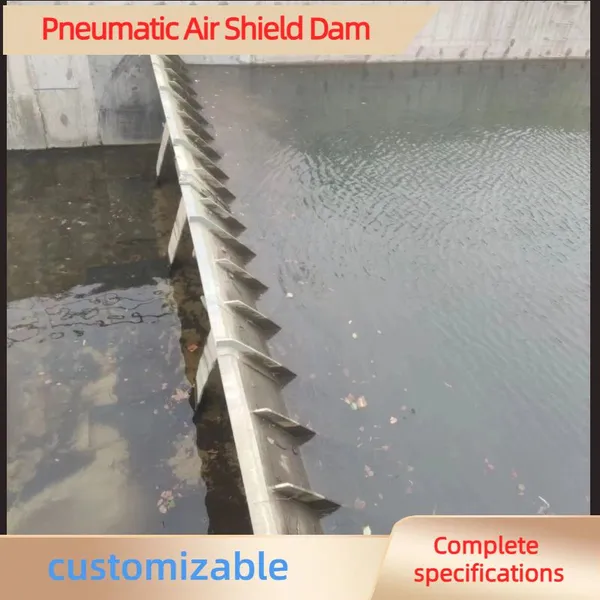 Read More
 -
How Air Shield Dam Improves River Ecological Environment and Protects Aquatic Ecology
August 16, 2026Traditional water retaining dams often block river migration channels and destroy the original ecological balance of water bodies.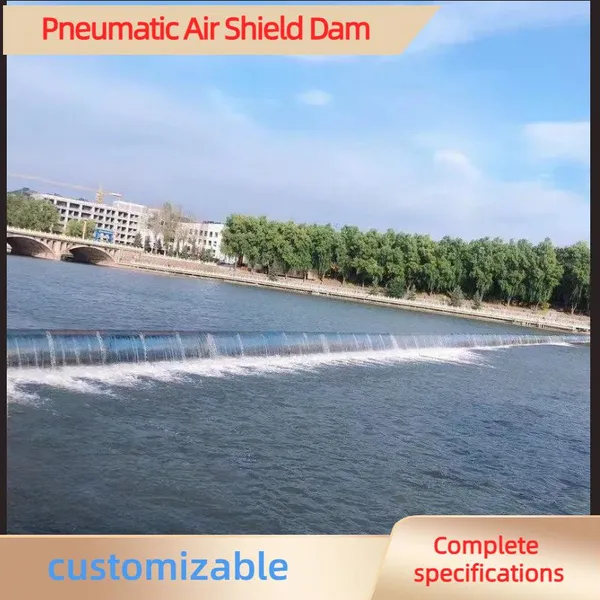 Read More
 -
Advantages of Pneumatic Air Shield Dam in Urban Landscape River Projects
August 16, 2026Urban landscape rivers require both practical water regulation functions and beautiful waterscape effects, and air shield dams per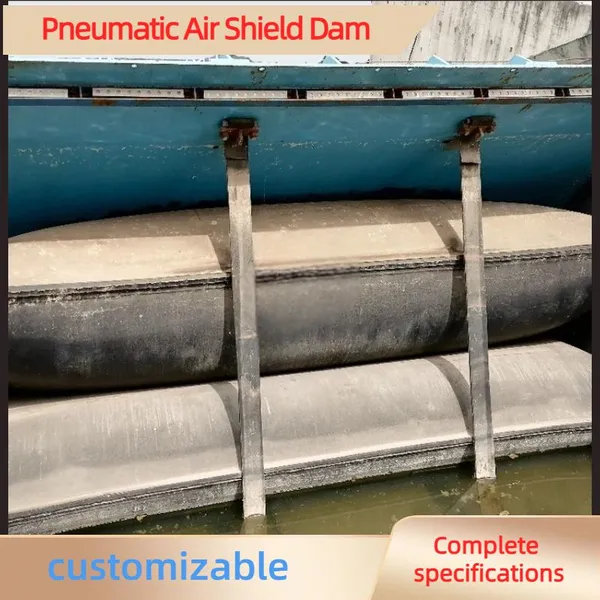 Read More

Contact Us
Recommended Products
-
 Custom Inflatable Rubber Dams – Dual Protection for Flood Control & Irrigation, Direct Factory SupplyUS$ 170 - 250MOQ: 20 Meters
 -
Inflatable Rubber Dams for River Regulation – Specialized for Ecological Landscape Water Storage, Customizable on DemandUS$ 170 - 250MOQ: 20 Meters
-
Lightweight Inflatable Rubber Dams – Fast Deployment, Ideal for Emergency Water ManagemenUS$ 170 - 250MOQ: 20 Meters
-
The Rubber Dam Built for Farmland Irrigation in Indonesia Can Store Water in a 25-meter-wide River.US$ 170 - 250MOQ: 20 Meters
-
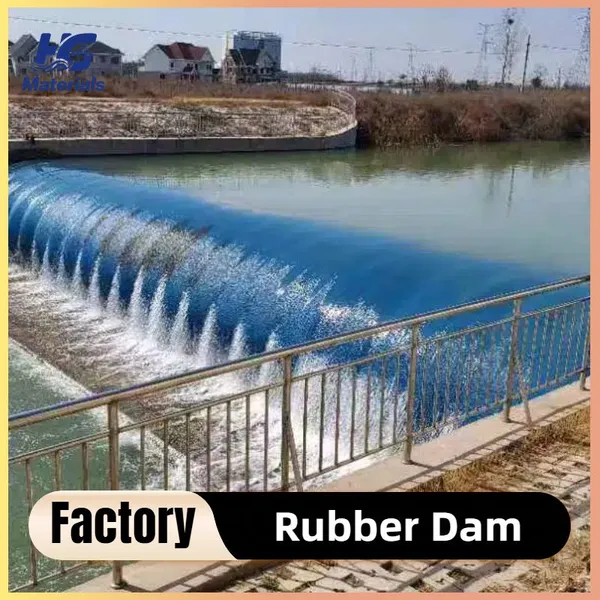
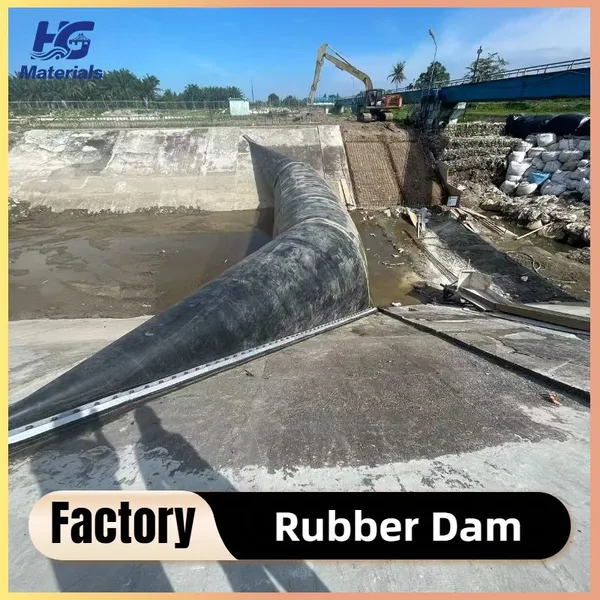
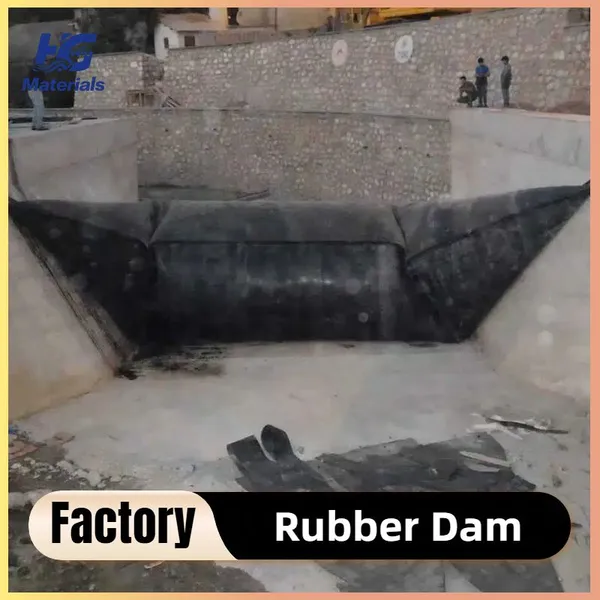
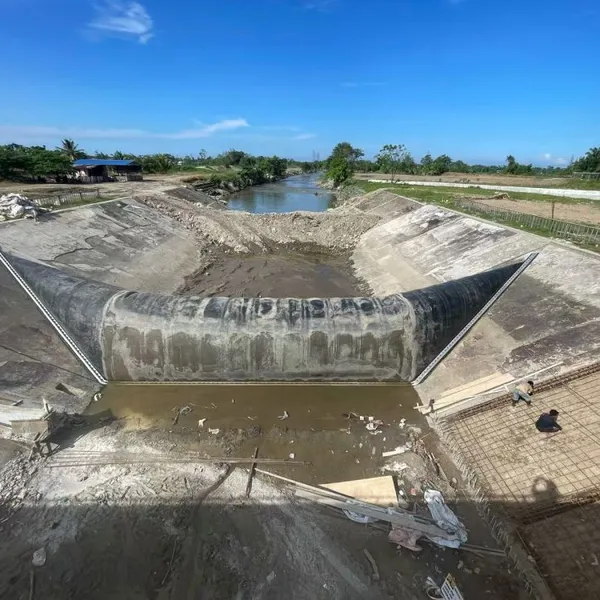
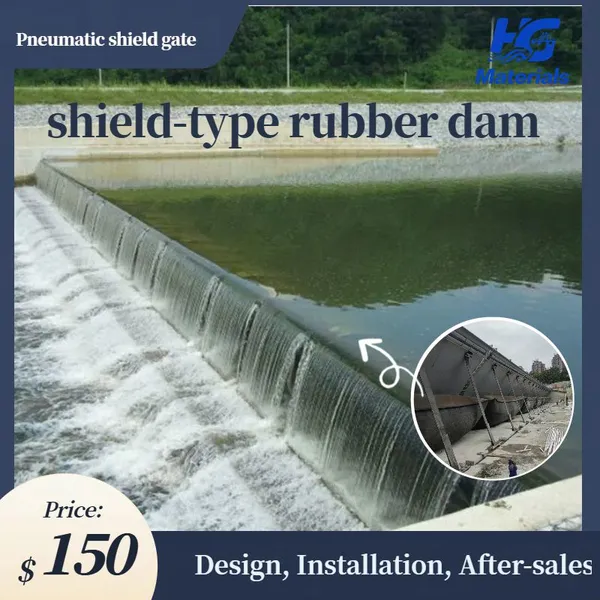
Pneumatic Shield Gate Shield-type Rubber Dam Air Shield Dam Spillway Gate Inflatable Rubber Dam Sold to Thailand, Malaysia, PhilippinesUS$ 1200 - 1500MOQ: 10 Square Meters
-
HG006 Hydraulic Elevator Dam Store Water Irrigate Landscape Flood Control Sluice Dam GateUS$ 300 - 350MOQ: 10 Square Meters
-
HG002 Cast Iron Sluice Gate, Farmland Irrigation and Drainage Gate, High-strength Wear-resistant Hydraulic Gate, Available in WholesaleUS$ 200 - 3000MOQ: 10 Combos
-
HG002manufacturer Specializes in Producing Custom-made Copper-inlaid Cast Iron Gates and Cast Iron Round GatesUS$ 200 - 3000MOQ: 10 Combos
-
HG001 High Quality Rubber Pvc Water-stop Construction Concrete Joints Waterstops Rubber Water StopUS$ 4.8 - 5MOQ: 100 Meters
-
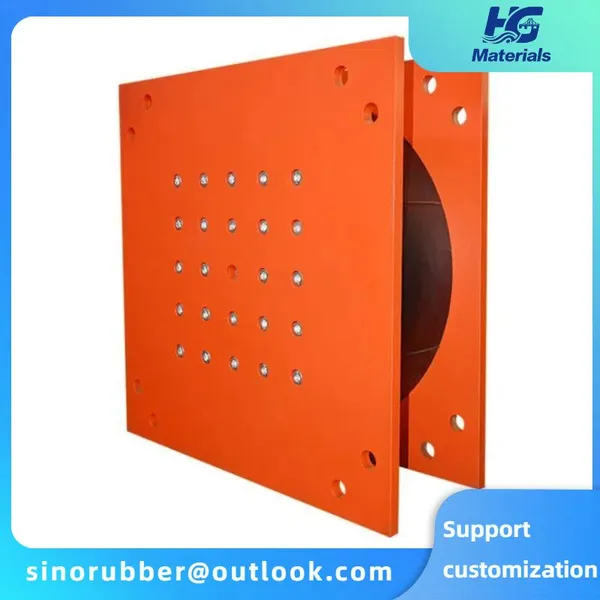
HG004 Elastomeric Laminated Neoprene Rubber Bridge Bearing Pad Nature Rubber Elastomeric Bearing PadUS$ 6.7 - 7MOQ: 10 Pieces
-
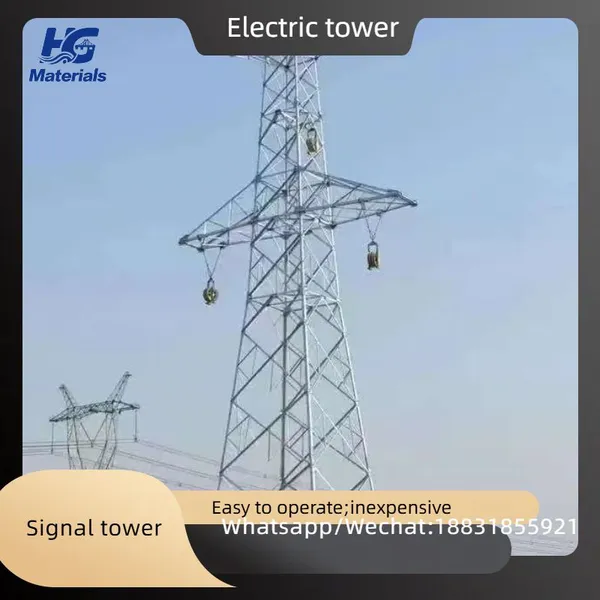
Iron Tower, Signal Tower, Power TowerUS$ 980 - 1000MOQ: 10 Metric Tons
-
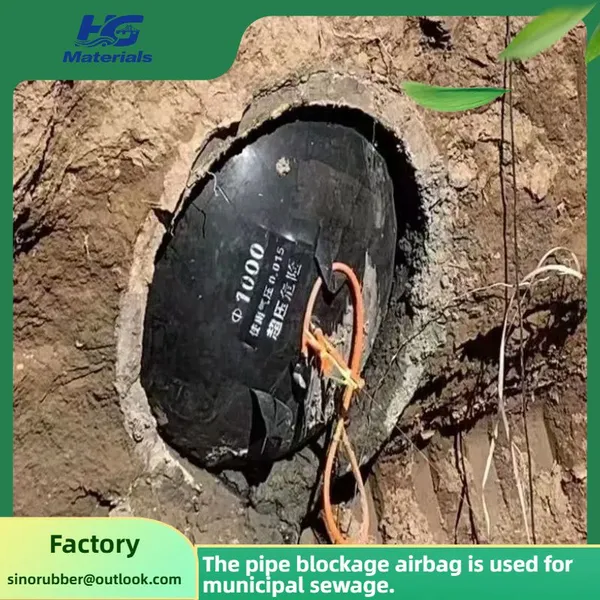
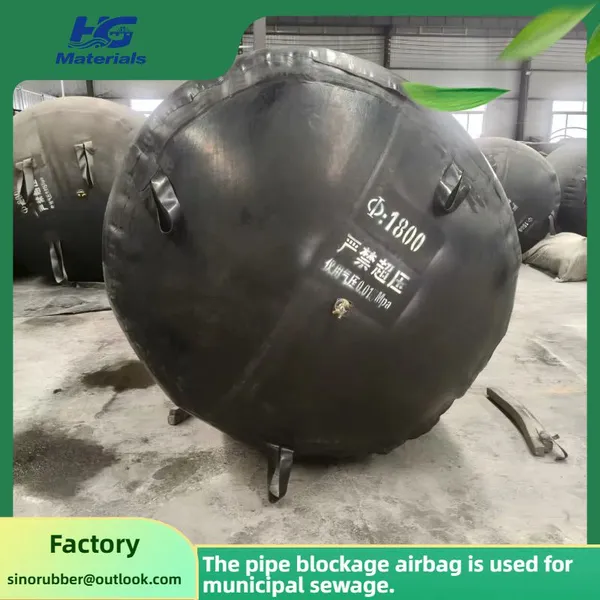
HG003 Customized Municipal Sewer Pipe Repair Pipe Blockage Diameter 800 Rubber Airbag Rubber Pipe Sealing AirbagUS$ 5 - 100MOQ: 10 Combos
-
Pipeline Blockage Water Balloon, Sewer Sewage Pipe Leak Sealing Rubber Balloon, Thickened Inflatable Pipeline BalloonUS$ 5 - 100MOQ: 10 Combos
-
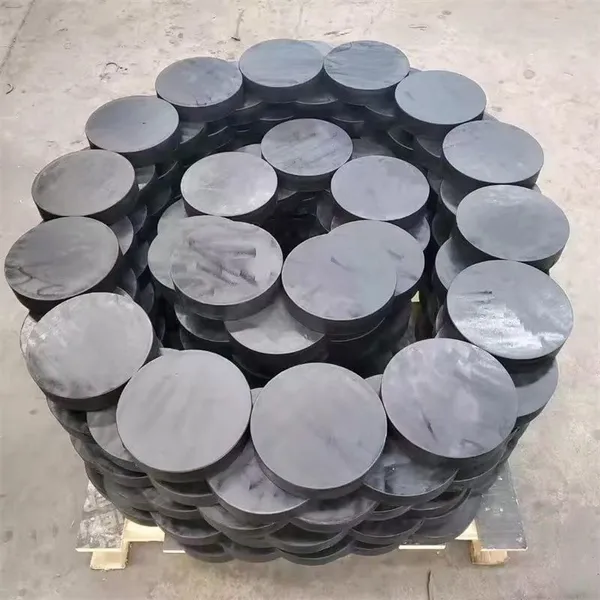
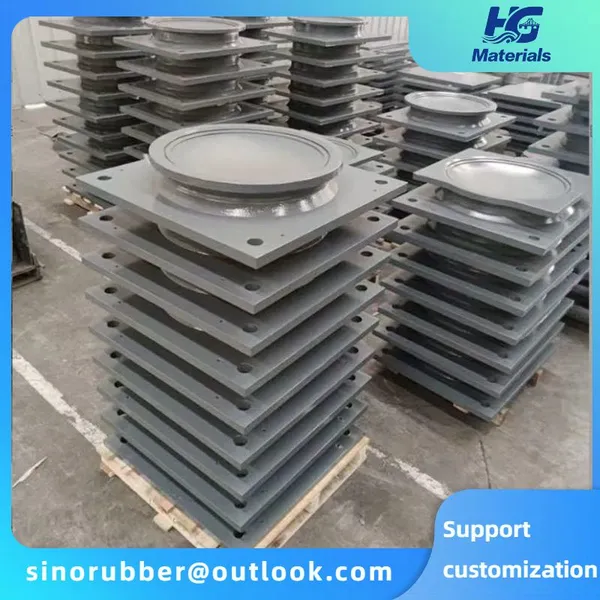
Bridge Rubber Bearings With Steel Reinforcement for Railway Use - Low Noise and Vibration Reduction PropertiesUS$ 6.7 - 7MOQ: 10 Pieces
-
HG004 Bridge Highway Rubber Bearings, Circular and Rectangular Bridge Construction PTFE Rubber Pad Bearings, Shock-absorbing PadsUS$ 6.7 - 7MOQ: 10 Pieces
-
Custom Inflatable Rubber Dams – Dual Protection for Flood Control & Irrigation, Direct From Source FactoryUS$ 170 - 250MOQ: 20 Meters
-
Hot Selling Galvanized 30 Corrugated Metal Pipe Cmp Culvert PipeUS$ 200 - 210MOQ: 100 Meters
-
Galvanized Corrugated Metal Pipe 20mm 3/4'' Armco Mp100 Steel Pipe Flexible Corrugated Tube Large DiameterUS$ 200 - 210MOQ: 100 Meters
-
Hesco Bastion Galvanized Barrier Welded Barriers for Bastion Sand Recover Geotextile BastionUS$ 6 - 7MOQ: 100 Cases
-
Customizable Culvert Pipe Oval Shaped Steel Road Cheap 36 Inch Corrugated Metal Pipe PriceUS$ 200 - 210MOQ: 100 Meters